
Richmond Water Heater Cost Comparison: Gas vs Electric
Richmond homeowners face a critical decision when replacing their water heater. Gas units typically cost $1,500 to $2,500 more upfront than electric models but offer significant long-term savings. Based on current Dominion Energy rates and Richmond’s groundwater temperature, gas water heaters recover 40% faster and cost about 30% less to operate monthly. Tankless Water Heater Installation for Modern Homes in Short Pump.
The average Richmond household uses 64 gallons of hot water daily. A standard 50-gallon gas tank heats this in about 1 hour while electric takes 2-3 hours. Over a 10-year lifespan, the energy savings often offset the higher initial investment, especially for families of four or more. Plumbing Richmond.
Upfront Installation Costs in Richmond
Installation pricing varies significantly between gas and electric models. Electric units require only a 240V circuit and can often replace existing models with minimal modifications. Gas units need proper venting, gas line connections, and sometimes new gas meters.
Richmond permit fees for water heater replacement typically range from $75 to $150 depending on the jurisdiction. Chesterfield County charges $85 while Henrico requires $125. The City of Richmond processes permits within 24-48 hours for standard replacements. Emergency Water Shut-Off Service.
| Water Heater Type | Unit Cost | Installation Labor | Permitting | Total Initial Cost |
|---|---|---|---|---|
| Electric (50-gallon) | $800 – $1,200 | $400 – $600 | $75 – $125 | $1,275 – $1,925 |
| Gas (50-gallon) | $1,200 – $1,800 | $600 – $900 | $75 – $150 | $1,875 – $2,850 |
| Gas Tankless | $1,500 – $2,500 | $800 – $1,200 | $100 – $200 | $2,400 – $3,900 |
Richmond’s average labor rate for licensed plumbers is $120 per hour. Gas installations take 6-8 hours versus 3-4 hours for electric replacements. Tankless gas units require additional venting and may need gas line upgrades costing $300 to $800.. Read more about Why You Should Schedule a Tankless Water Heater Flush in Henrico Before it Shuts Down.
Monthly Operating Costs: Dominion Energy vs. City Gas
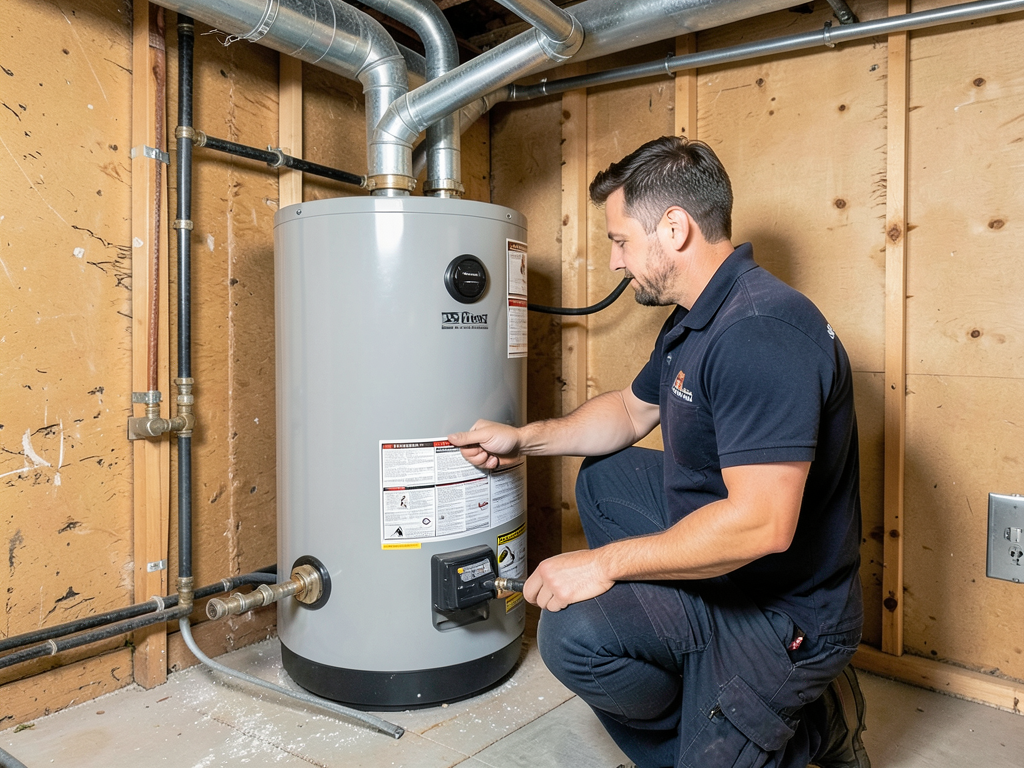
Current Dominion Energy rates show electricity at $0.133 per kWh while natural gas costs $1.29 per therm. A family of four using 64 gallons daily would spend approximately $32 monthly on electric versus $22 on gas for a standard tank unit.
Richmond’s groundwater temperature averages 52°F in winter. Gas units heat water from this baseline to 120°F using about 0.25 therms per gallon. Electric units require 0.09 kWh per gallon for the same temperature rise.. Read more about How to Get Your Hot Water Back Fast with Manchester Water Heater Repair.
| Household Size | Daily Hot Water Use | Electric Monthly Cost | Gas Monthly Cost | Monthly Savings |
|---|---|---|---|---|
| 1-2 people | 40 gallons | $20 | $14 | $6 |
| 3-4 people | 64 gallons | $32 | $22 | $10 |
| 5+ people | 80+ gallons | $40 | $28 | $12 |
Gas water heaters maintain efficiency better in cold weather. Richmond’s January groundwater can drop to 48°F, causing electric units to work 15-20% harder while gas units see minimal efficiency loss.
Richmond-Specific Incentives and Rebates
Federal tax credits under the Inflation Reduction Act provide up to $300 for qualifying gas water heaters meeting Energy Star standards. Richmond Department of Public Utilities offers additional rebates of $50 to $150 for high-efficiency gas models installed by licensed contractors.
Dominion Energy’s energy efficiency program includes a $100 rebate for gas water heaters with UEF ratings above 0.82. These units cost more upfront but provide superior energy savings over their lifespan.
Virginia’s Uniform Statewide Building Code requires all new water heater installations to meet current efficiency standards. Gas units must achieve minimum UEF ratings of 0.80 for tanks and 0.82 for tankless models.
Performance in Virginia Climate
Richmond’s humid continental climate creates unique challenges for water heaters. Summer humidity causes condensation on cold water pipes, leading to mold growth and corrosion. Gas units produce less condensation than electric heat pump models.
During Virginia’s occasional polar vortex events, gas water heaters maintain operation during power outages. This provides crucial hot water access when electric units fail. Richmond experiences power outages averaging 2-3 hours annually, with major storms causing longer disruptions.
Hard water in Richmond contains 5-7 grains per gallon of calcium carbonate. This mineral content causes scale buildup in both gas and electric units. Gas burners typically handle scale better than electric elements, maintaining efficiency longer.
Lifespan and Maintenance Requirements
Standard tank water heaters in Richmond last 8-12 years. Gas units often reach the upper end of this range due to simpler heating mechanisms. Electric units with heat pump technology may last 10-15 years but cost significantly more upfront.
Annual maintenance includes flushing sediment, checking anode rods, and testing pressure relief valves. Richmond’s water quality requires more frequent flushing – every 6 months for areas with high iron content like parts of Chesterfield County.
Anode rod replacement extends tank life by preventing internal corrosion. Gas units typically need replacement every 3-5 years while electric units may last 5-7 years. Richmond’s water chemistry accelerates anode consumption in some neighborhoods.
Making the Right Choice for Your Richmond Home
Consider your household size, hot water usage patterns, and budget when choosing between gas and electric. Gas makes financial sense for families using over 60 gallons daily or homes already equipped with gas service.
Electric units work well for smaller households, condos, or homes without gas access. Modern electric heat pump water heaters achieve UEF ratings up to 3.5, making them competitive with gas in efficiency despite higher operating costs.
Installation location matters significantly. Gas units require proper venting to the exterior. Homes without existing gas lines may face $1,000 to $2,000 in additional infrastructure costs.
Installation Considerations for Richmond Properties
Historic Richmond homes often have unique challenges. Pre-1950 houses may have undersized gas lines or inadequate venting. Modern building codes require 4-inch B-vent for atmospheric gas water heaters and stainless steel venting for power-vented models.
Richmond’s building height restrictions affect venting requirements. Homes over 35 feet require special venting considerations to maintain proper draft. The city’s elevation of 166 feet above sea level influences combustion air requirements.
Seismic considerations matter surprisingly in Richmond. The Virginia Seismic Zone requires water heaters to be properly strapped to prevent tipping during earthquakes. This applies to both gas and electric units.
Environmental Impact and Energy Efficiency
Gas water heaters produce about 25% less carbon dioxide than electric units powered by Dominion Energy’s coal-heavy grid. However, methane leaks during natural gas extraction and distribution offset some of these benefits.
Energy Factor (EF) ratings indicate efficiency. Gas units typically achieve 0.62 to 0.70 while electric units reach 0.89 to 0.95. Heat pump electric models can achieve EF ratings up to 3.5 by moving heat rather than generating it.
Richmond’s renewable energy goals by 2050 affect long-term electric water heater viability. Dominion Energy plans to increase renewable sources to 30% by 2030, potentially improving electric unit environmental performance.
Cost Recovery Analysis
Simple payback calculations show gas units recovering their higher upfront costs in 3-5 years for average households. The breakeven point depends on local utility rates, household size, and hot water usage patterns.
A family of four using 64 gallons daily saves approximately $120 annually with gas versus electric. At this rate, a $700 higher upfront cost for gas recovers in about 5.8 years.
Beyond direct energy savings, gas units provide value during power outages and typically require less frequent replacement. These factors improve the total cost of ownership calculation.
Professional Installation Requirements
Virginia law requires licensed plumbers to install water heaters. Both gas and electric installations must comply with the Virginia Uniform Statewide Building Code, which mandates permits and inspections.
Gas installations require testing for gas leaks and proper venting inspection. Electric units need dedicated circuit verification and temperature-pressure relief valve testing. Richmond building inspectors check all new installations within 72 hours of notification.
Professional installation ensures warranty validity. Most manufacturers void warranties for self-installations, making professional service essential for long-term protection.
Frequently Asked Questions
Is a gas water heater worth the extra upfront cost?
For most Richmond households using over 60 gallons daily, gas water heaters pay for themselves within 5 years through energy savings. The faster recovery time and lower operating costs make them worthwhile for families of four or more.
How long does it take to install a new water heater?
Electric replacements take 3-4 hours while gas installations require 6-8 hours. Tankless conversions may take 1-2 days including gas line upgrades and venting modifications. Richmond permit processing adds 1-2 days to the timeline.
What size water heater do I need?
Standard sizing follows 12 gallons per person for storage tanks. A family of four typically needs a 50-gallon unit. Gas tankless units are sized by flow rate – 7-9 GPM handles simultaneous shower and appliance use.
Are there any rebates available in Richmond?
Yes. Federal tax credits provide up to $300 for qualifying units. Richmond Department of Public Utilities and Dominion Energy offer additional rebates of $50 to $150 for high-efficiency gas models. Heat pump water heaters may qualify for enhanced rebates. EPA Water Heater Selection Guide.
How often should I replace my water heater?
Standard tank units last 8-12 years in Richmond. Signs of needed replacement include rusty water, rumbling noises, leaks around the base, and inconsistent water temperature. Annual maintenance extends lifespan by preventing sediment buildup.
Call (804) 602-4944 today to schedule your inspection and get a detailed cost comparison for your specific home. Our licensed Richmond plumbers provide same-day estimates and can help you choose the right water heater for your needs and budget.
Don’t wait until your old unit fails. Contact us now to explore your options and take advantage of current rebates before they expire. We serve all Richmond neighborhoods with transparent pricing and professional installation. For more information, visit Energy.gov Water Heating Guide.
You may also find this helpful. Running a New Gas Line for Your Fireplace or Kitchen in Brandermill.
{
“@context”: “https://schema.org”,
“@type”: “BlogPosting”,
“headline”: “Is Switching to a Gas Water Heater Worth the Initial Cost?”,
“description”: “Compare gas vs electric water heater costs in Richmond. See real installation prices, energy rates, and ROI calculations to decide if gas is worth it for your home.”,
“wordCount”: 1575,
“datePublished”: “2026-04-06T12:08:00.000Z”,
“dateModified”: “2026-04-06T12:08:00.000Z”,
“inLanguage”: “en-US”,
“mainEntityOfPage”: {
“@type”: “WebPage”,
“@id”: “https://summitplumbingrichmond.com”
},
“publisher”: {
“@type”: “LocalBusiness”,
“name”: “Summit Plumbing Richmond”,
“url”: “https://summitplumbingrichmond.com”
},
“author”: {
“@type”: “Organization”,
“name”: “Summit Plumbing Richmond”,
“url”: “https://summitplumbingrichmond.com”
},
“image”: {
“@type”: “ImageObject”,
“url”: “https://summitplumbingrichmond.com/wp-content/uploads/2026/03/is-switching-to-a-gas-water-heater-worth-the-initi-1.png”
}
}
{
“@context”: “https://schema.org”,
“@type”: “Plumber”,
“name”: “Summit Plumbing Richmond”,
“url”: “https://summitplumbingrichmond.com”,
“address”: {
“@type”: “PostalAddress”,
“addressLocality”: “Richmond”
},
“areaServed”: {
“@type”: “City”,
“name”: “Richmond”
}
}
{
“@context”: “https://schema.org”,
“@type”: “FAQPage”,
“mainEntity”: [
{
“@type”: “Question”,
“name”: “Is a gas water heater worth the extra upfront cost?”,
“acceptedAnswer”: {
“@type”: “Answer”,
“text”: “For most Richmond households using over 60 gallons daily, gas water heaters pay for themselves within 5 years through energy savings. The faster recovery time and lower operating costs make them worthwhile for families of four or more.”
}
},
{
“@type”: “Question”,
“name”: “How long does it take to install a new water heater?”,
“acceptedAnswer”: {
“@type”: “Answer”,
“text”: “Electric replacements take 3-4 hours while gas installations require 6-8 hours. Tankless conversions may take 1-2 days including gas line upgrades and venting modifications. Richmond permit processing adds 1-2 days to the timeline.”
}
},
{
“@type”: “Question”,
“name”: “What size water heater do I need?”,
“acceptedAnswer”: {
“@type”: “Answer”,
“text”: “Standard sizing follows 12 gallons per person for storage tanks. A family of four typically needs a 50-gallon unit. Gas tankless units are sized by flow rate – 7-9 GPM handles simultaneous shower and appliance use.”
}
},
{
“@type”: “Question”,
“name”: “Are there any rebates available in Richmond?”,
“acceptedAnswer”: {
“@type”: “Answer”,
“text”: “Yes. Federal tax credits provide up to $300 for qualifying units. Richmond Department of Public Utilities and Dominion Energy offer additional rebates of $50 to $150 for high-efficiency gas models. Heat pump water heaters may qualify for enhanced rebates. EPA Water Heater Selection Guide.”
}
},
{
“@type”: “Question”,
“name”: “How often should I replace my water heater?”,
“acceptedAnswer”: {
“@type”: “Answer”,
“text”: “Standard tank units last 8-12 years in Richmond. Signs of needed replacement include rusty water, rumbling noises, leaks around the base, and inconsistent water temperature. Annual maintenance extends lifespan by preventing sediment buildup.”
}
}
]
}
{
“@context”: “https://schema.org”,
“@type”: “BreadcrumbList”,
“itemListElement”: [
{
“@type”: “ListItem”,
“position”: 1,
“name”: “Home”,
“item”: “https://summitplumbingrichmond.com”
},
{
“@type”: “ListItem”,
“position”: 2,
“name”: “Blog”,
“item”: “https://summitplumbingrichmond.com/blog”
},
{
“@type”: “ListItem”,
“position”: 3,
“name”: “Is Switching to a Gas Water Heater Worth the Initial Cost?”
}
]
}
{
“@context”: “https://schema.org”,
“@type”: “Service”,
“serviceType”: “Plumbing”,
“provider”: {
“@type”: “LocalBusiness”,
“name”: “Summit Plumbing Richmond”,
“url”: “https://summitplumbingrichmond.com”
},
“areaServed”: {
“@type”: “City”,
“name”: “Richmond”
},
“description”: “Compare gas vs electric water heater costs in Richmond. See real installation prices, energy rates, and ROI calculations to decide if gas is worth it for your home.”
}