
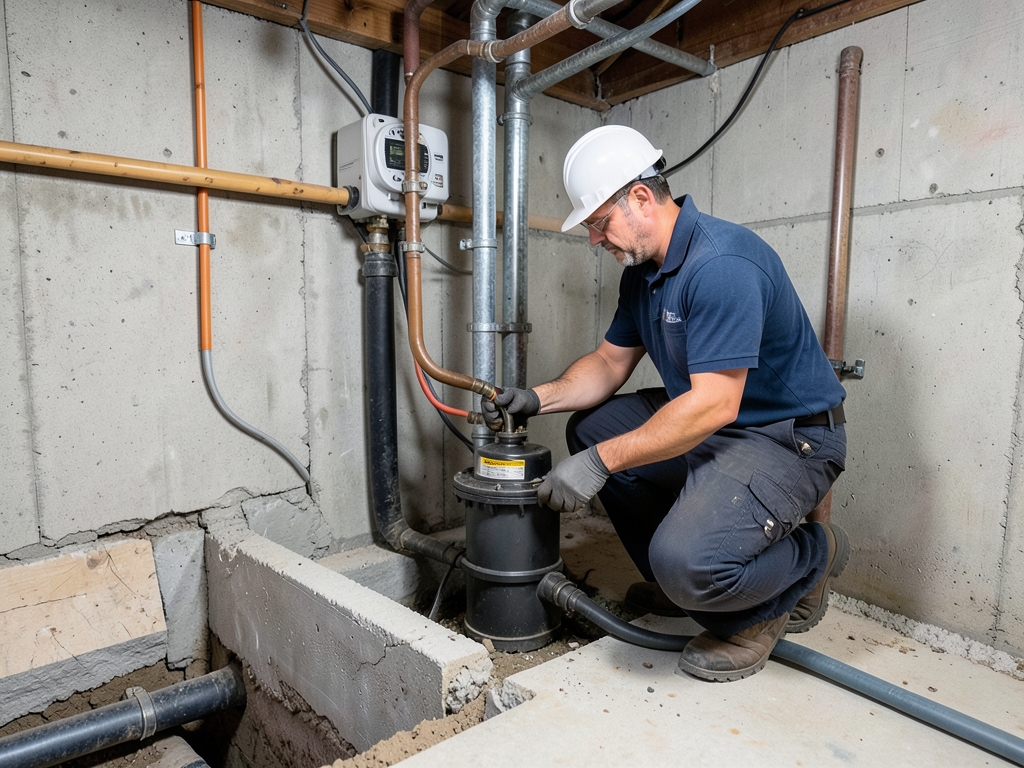
Protect Your Henrico Basement with a Professional Sump Pump Installation
Heavy rains and high water tables can turn a Henrico basement into a flood zone in hours. Clay-heavy soil in the Richmond area drains slowly and pushes water against foundation walls. A properly installed sump pump system keeps your basement dry and prevents costly water damage. This guide explains what makes Henrico basements vulnerable and how a professional installation protects your home.. Read more about Effective Ways to Keep Your Forest Hill Basement Dry Without Just Relying on a Pump.
Sumps pump systems remove groundwater that collects in a pit below your basement floor. When water reaches a set level, a float switch activates the pump. The pump pushes water through a discharge pipe away from your foundation. Without this system, hydrostatic pressure can crack walls and flood floors.
Henrico’s climate creates unique challenges. The area averages over 45 inches of rain per year. Clay soil expands when wet and contracts when dry. This movement puts stress on basement walls. The James River and its tributaries raise the local water table in many neighborhoods. Without proper drainage, water finds its way into basements through cracks or porous concrete.
Professional installation matters because every home has different needs. Pit depth, pump capacity, and discharge routing depend on your basement size and water table depth. A small pump in a high-risk area fails when you need it most. Professional installers measure water inflow rates and calculate the right pump size in gallons per hour.
Battery backup systems are critical in Virginia. Summer storms often knock out power when pumps are needed most. A backup battery keeps your system running for hours during outages. Some systems include water-powered backups that use municipal water pressure when electricity fails. Virginia Department of Conservation and Recreation.
Henrico County requires permits for sump pump installations. The county enforces discharge regulations to prevent water from flowing back toward foundations or into streets. Professional installers handle permits and ensure compliance with local codes. They also install check valves to prevent backflow and test systems before completion.. Read more about How to Handle Frozen Pipe Bursts During a Cold Richmond Winter.
Why Henrico Basements Need Protection
Henrico’s soil and weather patterns create perfect conditions for basement flooding. The area sits on marine clay that holds water like a sponge. When heavy rains saturate the ground, water pressure builds against foundation walls. This pressure forces water through the smallest cracks.
Short Pump and Glen Allen neighborhoods sit on former farmland with high water tables. Lakeside and Dumbarton areas near the Chickahominy River face seasonal flooding risks. Even newer developments in western Henrico can have drainage problems if builders cut corners on grading.
Climate change brings more intense storms to Virginia. What used to be a 100-year flood event now happens every few years. Your old sump pump from 2010 may not handle today’s rainfall volumes. Professional installers upgrade systems to match current conditions.
Clay soil expands when wet and contracts when dry. This movement causes foundation cracks that grow larger over time. Water seeps through these cracks during wet seasons. A sump pump system removes this water before it causes structural damage.
Older Henrico homes built before 1980 often lack proper drainage. Builders didn’t install perimeter drains or sump pits in many cases. These homes need complete systems including French drains and proper discharge lines.
Types of Sump Pumps We Install
Submersible pumps sit inside the sump pit underwater. They run quieter and handle larger volumes than pedestal pumps. These pumps work well for finished basements where noise matters. Most modern installations use submersible pumps for their reliability.
Pedestal pumps have motors mounted above the pit. They cost less but are louder and handle smaller volumes. These work for unfinished basements or areas where budget matters more than noise. Pedestal pumps last longer because their motors stay dry.
Battery backup systems provide peace of mind during power outages. A 12-volt battery powers a secondary pump when the main pump loses electricity. These systems include alarms that alert you when backup power activates. Most batteries last 4-6 hours under continuous use.
Water-powered backup systems use municipal water pressure to create suction. They need no electricity or batteries. These systems work only where water pressure stays above 40 PSI. They use about one gallon of municipal water to remove two gallons of groundwater.
Combination systems include a primary pump and battery backup in one package. These provide the most protection for homes in flood-prone areas. Installation costs more but saves money compared to buying components separately.
Our Professional Installation Process
Professional installation starts with a site assessment. We measure your basement dimensions and check the water table depth. We look for signs of previous flooding and identify the best location for the sump pit. The pit should sit at the lowest point where water naturally collects.
Pit excavation requires removing concrete and digging to proper depth. A typical pit needs to be 24-30 inches deep and 18-24 inches wide. We line the pit with gravel for drainage and install a durable plastic basin. The basin has holes to let groundwater enter.
Pump selection depends on your specific needs. We calculate required gallons per hour based on your basement size and local rainfall patterns. A typical Henrico home needs a pump that moves 2,000-3,000 gallons per hour. Larger homes or those near water bodies need more capacity.
Discharge pipe routing keeps water away from your foundation. We use PVC pipes that slope away from the house at 1/4 inch per foot. The pipe exits through a foundation wall or connects to existing drainage. We install check valves to prevent water from flowing back into the pit.
Electrical connections require dedicated circuits for safety. We install GFCI protection since pumps operate near water. All wiring meets National Electrical Code requirements. We test the system by filling the pit with water and verifying proper operation. National Association of Certified Home Inspectors.
Final steps include installing the cover, testing alarms, and showing you how to maintain the system. We provide documentation for your records and explain what to do if the system activates during a storm.. Read more about Certified Backflow Testing and Prevention in Henrico County.
Signs You Need a New Sump Pump
Strange noises indicate failing bearings or impellers. A healthy pump runs quietly with only the sound of water moving. Grinding, rattling, or screeching sounds mean internal parts are wearing out. These noises often start before complete failure.
Constant cycling suggests a stuck float switch or incorrect pump size. The pump should run only when water reaches the activation level. If it runs every few minutes during dry weather, something is wrong. This wastes electricity and shortens pump life.
Visible rust or corrosion on the pump housing means water is getting where it shouldn’t. Submersible pumps should stay completely dry when not operating. Rust indicates seal failure that will lead to motor damage.
Age matters for sump pumps. Most units last 7-10 years with normal use. If your pump is older than this, replacement is wise before failure occurs. Waiting until after a flood means emergency service calls and water damage.
Standing water in your basement after light rains suggests your current system can’t keep up. Even if the pump runs, it may not remove water fast enough. Upgrading to a higher-capacity pump solves this problem.
Power outages that cause basement flooding point to missing backup systems. Modern storms often knock out electricity for hours. A battery backup prevents this scenario and protects your home investment.
Local Regulations and Permit Requirements
Henrico County requires permits for sump pump installations. The county’s Unified Development Ordinance regulates how and where you can discharge water. You cannot pump water into streets, storm drains, or onto neighboring properties.
Virginia Uniform Statewide Building Code (USBC) Chapter 11 governs plumbing installations. The code requires proper venting, backflow prevention, and electrical safety. Professional installers know these requirements and ensure compliance.
Discharge regulations protect the community’s drainage system. Water from sump pumps must flow into approved drainage areas. Common options include dry wells, rain gardens, or connections to existing downspout systems. Direct discharge onto sidewalks or streets violates county codes.
Check valves are mandatory in discharge lines. These prevent water from flowing back into the pit when the pump stops. Without check valves, pumps cycle more frequently and wear out faster. The code requires accessible check valves for maintenance.
Electrical codes require GFCI protection for all sump pump circuits. This prevents shock hazards in wet environments. The circuit must have its own breaker to prevent overloads from other devices.
Professional installers pull permits and schedule inspections. This ensures your system meets all requirements and protects you from liability. DIY installations often violate codes without the homeowner realizing it.
Cost Factors for Henrico Residents
Installation costs vary based on basement size and existing conditions. A basic system for a small basement might cost $1,200-$1,800. Large basements or those needing complete drainage systems can cost $3,000-$5,000.
Submersible pumps cost more than pedestal pumps but offer better performance. A quality submersible pump costs $250-$500. Pedestal pumps run $150-$300. Battery backup systems add $500-$1,000 to the total cost.
Older homes often need more work. Removing existing concrete, repairing foundation cracks, or installing French drains increases costs. These repairs prevent future problems but require more labor and materials.
Permit fees in Henrico County run $75-$150 depending on project scope. Professional installers include these fees in their quotes. DIY installers must pay these fees separately and may face fines for unpermitted work.
Emergency installations during storms cost more due to urgent scheduling. Planning ahead saves money and ensures proper installation. Most homeowners wait until problems occur, then pay premium rates for immediate service.
Quality installation prevents expensive water damage. A $2,000 system can save you $10,000+ in flood damage. Insurance may not cover damage from failed sump pumps if proper maintenance wasn’t performed.
Maintenance Tips for Long System Life
Monthly testing keeps your system ready for storms. Pour water into the pit until the float activates the pump. Verify the pump removes water quickly and the discharge pipe flows freely. This simple test can prevent flooding during heavy rains.
Clean the inlet screen every six months. Debris can clog the screen and reduce pump efficiency. Remove the pump from the pit and rinse the screen with a garden hose. This prevents overheating and extends pump life.
Check battery backup systems quarterly. Test the battery voltage and replace batteries every 3-5 years. Most backup systems include test buttons for quick verification. Replace batteries before they fail to ensure protection during outages.
Inspect discharge pipes annually for clogs or damage. Remove any debris blocking the outlet. Check for ice buildup in winter that could block flow. Clear any obstructions to ensure proper operation during storms.
Listen for changes in pump operation. New noises, longer run times, or frequent cycling indicate problems. Address these issues early to prevent complete failure. Most problems start small and worsen over time.
Professional maintenance includes system testing, cleaning, and component inspection. Annual service costs $150-$250 but prevents expensive emergency repairs. Many homeowners skip maintenance until failure occurs, then face higher costs.
Why Choose Professional Installation
Professional installers bring experience and proper tools. They know local soil conditions, building codes, and drainage patterns. This knowledge prevents common mistakes that cause system failures. DIY installations often miss critical details that professionals handle automatically.
Permits and inspections protect your investment. Professional installers handle paperwork and ensure code compliance. This prevents fines and ensures your system meets safety standards. Unpermitted work can cause problems when selling your home.
Warranty coverage matters for expensive components. Professional installations often include labor warranties of 1-2 years. Manufacturers honor warranties only when professionals install their products. DIY installations void many warranties.
Emergency service availability provides peace of mind. Professional companies offer 24/7 support for system failures. This quick response prevents minor problems from becoming major floods. DIY installers must handle all problems themselves.
Proper sizing ensures your system handles local conditions. Professionals calculate exact requirements based on your home’s specific needs. Oversized or undersized pumps cause problems. Professional calculations prevent these issues.
Quality materials last longer and perform better. Professional installers use commercial-grade components designed for continuous use. Consumer-grade products from big box stores often fail prematurely under heavy use.
Frequently Asked Questions
How long does sump pump installation take?
Most installations complete in one day. Complex projects requiring concrete removal or French drains may take 2-3 days. Professional installers work efficiently to minimize disruption to your home.
Can I install a sump pump myself?
DIY installation is possible but risky. Mistakes can cause flooding, code violations, or voided warranties. Professional installation ensures proper function and compliance with local regulations.
How much does sump pump installation cost in Henrico?
Basic installations range from $1,200 to $1,800. Complex systems with battery backups cost $2,500 to $4,000. Prices depend on basement size, existing conditions, and system features.
Do I need a permit for sump pump installation?
Yes, Henrico County requires permits for sump pump installations. The permit ensures proper discharge and electrical connections. Professional installers handle permits as part of their service.
How often should I replace my sump pump?
Most sump pumps last 7-10 years. Replace your pump before it fails to prevent flooding. Battery backups need replacement every 3-5 years.
Protect Your Home Today
Don’t wait for the next storm to discover your basement’s vulnerability. Clay soil and heavy rains make Henrico basements prime candidates for flooding. A professional sump pump system provides reliable protection when you need it most.
Professional installation ensures your system meets local codes and handles your specific conditions. We assess your basement, calculate exact requirements, and install quality components that last. Our work includes permits, inspections, and warranties for your protection.
Emergency service is available 24/7 for system failures or flooding. Don’t let a failed pump turn into a flooded basement. Call us today to schedule your assessment and protect your home investment.
Pick up the phone and call (804) 602-4944 before the next storm hits. Your basement’s protection starts with one call.
Call (804) 602-4944 today to schedule your inspection and get a free quote on professional sump pump installation. Don’t risk water damage to your Henrico home.
{
“@context”: “https://schema.org”,
“@type”: “BlogPosting”,
“headline”: “Protect Your Henrico Basement with a Professional Sump Pump Installation”,
“description”: “Prevent Henrico basement flooding with expert sump pump installation. We install battery backups, submersible pumps, and meet Henrico County codes. Call (804) 602-4944 today.”,
“wordCount”: 2340,
“datePublished”: “2026-02-20T14:20:00.000Z”,
“dateModified”: “2026-02-20T14:20:00.000Z”,
“inLanguage”: “en-US”,
“mainEntityOfPage”: {
“@type”: “WebPage”,
“@id”: “https://summitplumbingrichmond.com”
},
“publisher”: {
“@type”: “LocalBusiness”,
“name”: “Summit Plumbing Richmond”,
“url”: “https://summitplumbingrichmond.com”
},
“author”: {
“@type”: “Organization”,
“name”: “Summit Plumbing Richmond”,
“url”: “https://summitplumbingrichmond.com”
},
“image”: {
“@type”: “ImageObject”,
“url”: “https://summitplumbingrichmond.com/wp-content/uploads/2026/03/protect-your-henrico-basement-with-a-professional-1.png”
}
}
{
“@context”: “https://schema.org”,
“@type”: “Plumber”,
“name”: “Summit Plumbing Richmond”,
“url”: “https://summitplumbingrichmond.com”,
“address”: {
“@type”: “PostalAddress”,
“addressLocality”: “Richmond”
},
“areaServed”: {
“@type”: “City”,
“name”: “Richmond”
}
}
{
“@context”: “https://schema.org”,
“@type”: “FAQPage”,
“mainEntity”: [
{
“@type”: “Question”,
“name”: “How long does sump pump installation take?”,
“acceptedAnswer”: {
“@type”: “Answer”,
“text”: “Most installations complete in one day. Complex projects requiring concrete removal or French drains may take 2-3 days. Professional installers work efficiently to minimize disruption to your home.”
}
},
{
“@type”: “Question”,
“name”: “Can I install a sump pump myself?”,
“acceptedAnswer”: {
“@type”: “Answer”,
“text”: “DIY installation is possible but risky. Mistakes can cause flooding, code violations, or voided warranties. Professional installation ensures proper function and compliance with local regulations.”
}
},
{
“@type”: “Question”,
“name”: “How much does sump pump installation cost in Henrico?”,
“acceptedAnswer”: {
“@type”: “Answer”,
“text”: “Basic installations range from $1,200 to $1,800. Complex systems with battery backups cost $2,500 to $4,000. Prices depend on basement size, existing conditions, and system features.”
}
},
{
“@type”: “Question”,
“name”: “Do I need a permit for sump pump installation?”,
“acceptedAnswer”: {
“@type”: “Answer”,
“text”: “Yes, Henrico County requires permits for sump pump installations. The permit ensures proper discharge and electrical connections. Professional installers handle permits as part of their service.”
}
},
{
“@type”: “Question”,
“name”: “How often should I replace my sump pump?”,
“acceptedAnswer”: {
“@type”: “Answer”,
“text”: “Most sump pumps last 7-10 years. Replace your pump before it fails to prevent flooding. Battery backups need replacement every 3-5 years.”
}
}
]
}
{
“@context”: “https://schema.org”,
“@type”: “BreadcrumbList”,
“itemListElement”: [
{
“@type”: “ListItem”,
“position”: 1,
“name”: “Home”,
“item”: “https://summitplumbingrichmond.com”
},
{
“@type”: “ListItem”,
“position”: 2,
“name”: “Blog”,
“item”: “https://summitplumbingrichmond.com/blog”
},
{
“@type”: “ListItem”,
“position”: 3,
“name”: “Protect Your Henrico Basement with a Professional Sump Pump Installation”
}
]
}
{
“@context”: “https://schema.org”,
“@type”: “Service”,
“serviceType”: “Plumbing”,
“provider”: {
“@type”: “LocalBusiness”,
“name”: “Summit Plumbing Richmond”,
“url”: “https://summitplumbingrichmond.com”
},
“areaServed”: {
“@type”: “City”,
“name”: “Richmond”
},
“description”: “Prevent Henrico basement flooding with expert sump pump installation. We install battery backups, submersible pumps, and meet Henrico County codes. Call (804) 602-4944 today.”
}