
Should You Choose a Gas or Electric Water Heater for Your Richmond Home?
Choosing between a gas and electric water heater in Richmond depends on your home’s setup, utility costs, and long-term efficiency goals. With Richmond Gas Works serving much of the city and Dominion Energy providing electricity across Central Virginia, the decision comes down to more than just purchase price. This guide breaks down the real-world performance, installation requirements, and cost differences specific to Richmond’s housing stock and climate. Dominion Energy Virginia.
At a Glance: Richmond Water Heater Comparison
| Feature | Gas Water Heater | Electric Water Heater |
|---|---|---|
| Average Purchase Price | $1,200-$1,800 | $800-$1,200 |
| Monthly Operating Cost | $25-$35 (Richmond Gas Works) | $35-$50 (Dominion Energy) |
| Recovery Rate | 40-50 gallons/hour | 20-30 gallons/hour |
| Lifespan in Richmond | 8-12 years | 10-15 years |
| Installation Complexity | Requires venting, gas line | May need electrical upgrade |
Operating Costs: Dominion Energy vs. Richmond Gas Works
Richmond’s utility rates directly impact your water heater’s lifetime cost. As of 2026, Richmond Gas Works charges approximately $1.10 per therm for residential customers, while Dominion Energy’s standard residential rate sits around 14.5 cents per kilowatt-hour. For a typical 50-gallon tank, gas units use about 0.205 therms per hour of operation, while electric units draw roughly 4.5 kWh per hour. Richmond Gas Works.
Based on average household usage of 60-80 gallons daily, a gas water heater costs $25-$35 monthly to operate, while an electric model runs $35-$50. Over a 10-year lifespan, that’s $1,200-$1,800 more for electric operation in Richmond. However, electric units often qualify for federal tax credits under the Energy Star program, potentially offsetting $300-$500 of the initial purchase. Tankless Water Heater Installation for Modern Homes in Short Pump.
Performance in Virginia’s Climate
Richmond’s groundwater temperature averages 55-58 degrees Fahrenheit year-round, which affects recovery rates. Gas units heat water faster because they produce higher BTU output immediately, recovering 40-50 gallons per hour. Electric units recover 20-30 gallons per hour, which can strain larger households during winter months when incoming water is coldest. Plumbing Richmond.
During Richmond’s occasional polar vortex events, gas units maintain performance without relying on the electrical grid. This reliability factor matters for families who need consistent hot water regardless of weather conditions. Electric heat pump water heaters, however, become less efficient in cold basements typical of older Richmond homes, sometimes requiring backup resistance heating that increases electricity use. Emergency Water Shut-Off Service.
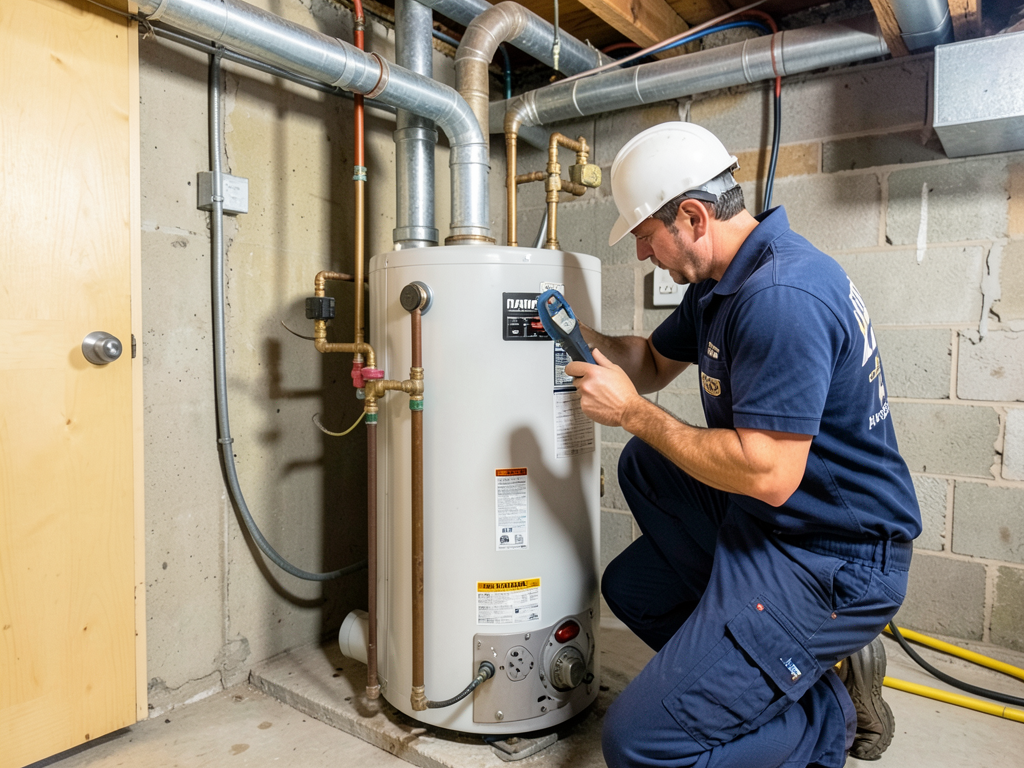
Diagram showing recovery rate differences between gas and electric water heaters during peak usage periods in Richmond homes.. Read more about Dealing with Frustratingly Low Water Pressure in Your North Side Richmond Home.
Installation Requirements and Richmond Building Codes
Richmond’s building codes, based on the Virginia Uniform Statewide Building Code, require specific installation practices for both water heater types. Gas units need proper venting to prevent carbon monoxide buildup, typically requiring Category III stainless steel venting through the roof or sidewall. Older Richmond homes in neighborhoods like the Fan District or Church Hill often need venting modifications that add $300-$600 to installation costs.. Read more about How Often Should You Really Flush Your Water Heater in Henrico County?.
Electric units must have a dedicated 240-volt circuit with proper grounding. Many Richmond homes built before 1980 have 120-volt circuits that cannot support modern electric water heaters. Upgrading electrical service adds $400-$800 but ensures code compliance and safety. The Virginia Department of Professional and Occupational Regulation requires permits for all water heater replacements, with Richmond city permits averaging $75-$125.
The Hard Water Factor in Richmond
Richmond’s water contains moderate hardness levels, typically 5-7 grains per gallon, which affects both gas and electric units differently. In electric water heaters, mineral buildup on heating elements reduces efficiency by 20-30% over five years, requiring element replacement every 3-5 years. The anode rod in both types also deteriorates faster due to Richmond’s water chemistry, typically needing replacement every 3-4 years instead of the standard 5-6 years.. Read more about Why Every Home in Glen Allen Needs a Water Softener System.
Gas units face scale buildup on burners and heat exchangers, reducing burner efficiency and potentially causing uneven heating. Regular flushing every 12-18 months prevents these issues but adds to maintenance costs. Richmond’s water treatment plants add chlorine and other chemicals that accelerate corrosion in older galvanized pipes, making proper dielectric unions essential during installation.
Verdict: Which Water Heater Fits Your Richmond Home?
Choose gas if your home already has natural gas service and you need fast recovery for a large family. Gas units work best in Richmond’s older neighborhoods where basements stay cool year-round, and the higher upfront cost pays off through lower monthly bills. They’re also ideal if you want operation during power outages.
Choose electric if your home lacks gas service or you prefer the lower initial purchase price. Electric units install faster and work well in newer Richmond homes with updated electrical panels. They’re also better for smaller households or those prioritizing simple maintenance over recovery speed.
Consider hybrid heat pump water heaters if you want maximum efficiency and have space for the larger unit. These work best in unconditioned spaces like garages or basements where they can harvest ambient heat. While upfront costs run $1,500-$2,500, they use 60% less energy than standard electric units, saving $150-$200 annually in Richmond.
Call (804) 602-4944 today to schedule your water heater assessment and get a personalized recommendation based on your home’s specific needs and Richmond’s utility rates.
Frequently Asked Questions
How long does water heater installation take in Richmond?
Most standard replacements take 2-4 hours when swapping like-for-like units. Gas-to-electric or vice versa conversions require additional time for venting or electrical work, extending installation to 4-6 hours. Permit processing through Richmond’s Department of Public Utilities adds 1-3 business days to the timeline.
Do Richmond homes need expansion tanks with new water heaters?
Yes, Virginia code requires thermal expansion tanks on closed plumbing systems, which includes most Richmond homes built after 2006. These tanks prevent dangerous pressure buildup in your water heater and plumbing system. Installation costs $150-$250 but protects your investment and meets code requirements. Who to Call for a 24-Hour Plumbing Emergency in Downtown Richmond.
Can I install a tankless water heater instead?
Absolutely. Tankless units work well in Richmond homes and provide endless hot water. Gas tankless models require proper venting similar to tank units, while electric tankless need substantial electrical capacity. Installation costs run $2,500-$4,500 but eliminate standby heat loss and free up floor space.
What’s the average lifespan of a water heater in Richmond?
Gas units typically last 8-12 years in Richmond’s climate, while electric units reach 10-15 years. Hard water, installation quality, and maintenance frequency significantly impact longevity. Annual flushing and anode rod replacement can add 3-5 years to any unit’s lifespan.
Are there rebates for high-efficiency water heaters in Virginia?
Yes, Richmond Gas Works offers rebates up to $300 for qualifying high-efficiency gas water heaters. Dominion Energy provides similar incentives for electric heat pump models. Federal tax credits through 2026 offer up to $300 for Energy Star certified units. Check with your utility provider for current programs.
Still unsure which water heater fits your Richmond home? Call (804) 602-4944 for a free consultation. Our master plumbers know Richmond’s specific challenges and can recommend the perfect solution for your household’s needs and budget.. Read more about Unique Plumbing Challenges Every Owner of a Historic Ginter Park Home Should Know.
You may also find this helpful. The Honest Truth About PEX vs Copper Piping for Richmond Area Repipes.
You may also find this helpful. Planning the Plumbing and Gas Lines for Your New Outdoor Kitchen in Woodlake.
{
“@context”: “https://schema.org”,
“@type”: “BlogPosting”,
“headline”: “Should You Choose a Gas or Electric Water Heater for Your Richmond Home?”,
“description”: “Comparing gas vs electric water heaters for Richmond homes. Learn about local utility rates, installation codes, and which option saves you money in Virginia’s climate.”,
“wordCount”: 1164,
“datePublished”: “2026-03-06T09:27:00.000Z”,
“dateModified”: “2026-03-06T09:27:00.000Z”,
“inLanguage”: “en-US”,
“mainEntityOfPage”: {
“@type”: “WebPage”,
“@id”: “https://summitplumbingrichmond.com”
},
“publisher”: {
“@type”: “LocalBusiness”,
“name”: “Summit Plumbing Richmond”,
“url”: “https://summitplumbingrichmond.com”
},
“author”: {
“@type”: “Organization”,
“name”: “Summit Plumbing Richmond”,
“url”: “https://summitplumbingrichmond.com”
},
“image”: {
“@type”: “ImageObject”,
“url”: “https://summitplumbingrichmond.com/wp-content/uploads/2026/03/should-you-choose-a-gas-or-electric-water-heater-f-1.png”
}
}
{
“@context”: “https://schema.org”,
“@type”: “Plumber”,
“name”: “Summit Plumbing Richmond”,
“url”: “https://summitplumbingrichmond.com”,
“address”: {
“@type”: “PostalAddress”,
“addressLocality”: “Richmond”
},
“areaServed”: {
“@type”: “City”,
“name”: “Richmond”
}
}
{
“@context”: “https://schema.org”,
“@type”: “FAQPage”,
“mainEntity”: [
{
“@type”: “Question”,
“name”: “Verdict: Which Water Heater Fits Your Richmond Home?”,
“acceptedAnswer”: {
“@type”: “Answer”,
“text”: “Choose gas if your home already has natural gas service and you need fast recovery for a large family. Gas units work best in Richmond’s older neighborhoods where basements stay cool year-round, and the higher upfront cost pays off through lower monthly bills. They’re also ideal if you want operation during power outages.”
}
},
{
“@type”: “Question”,
“name”: “How long does water heater installation take in Richmond?”,
“acceptedAnswer”: {
“@type”: “Answer”,
“text”: “Most standard replacements take 2-4 hours when swapping like-for-like units. Gas-to-electric or vice versa conversions require additional time for venting or electrical work, extending installation to 4-6 hours. Permit processing through Richmond’s Department of Public Utilities adds 1-3 business days to the timeline.”
}
},
{
“@type”: “Question”,
“name”: “Do Richmond homes need expansion tanks with new water heaters?”,
“acceptedAnswer”: {
“@type”: “Answer”,
“text”: “Yes, Virginia code requires thermal expansion tanks on closed plumbing systems, which includes most Richmond homes built after 2006. These tanks prevent dangerous pressure buildup in your water heater and plumbing system. Installation costs $150-$250 but protects your investment and meets code requirements. Who to Call for a 24-Hour Plumbing Emergency in Downtown Richmond.”
}
},
{
“@type”: “Question”,
“name”: “Can I install a tankless water heater instead?”,
“acceptedAnswer”: {
“@type”: “Answer”,
“text”: “Absolutely. Tankless units work well in Richmond homes and provide endless hot water. Gas tankless models require proper venting similar to tank units, while electric tankless need substantial electrical capacity. Installation costs run $2,500-$4,500 but eliminate standby heat loss and free up floor space.”
}
},
{
“@type”: “Question”,
“name”: “What’s the average lifespan of a water heater in Richmond?”,
“acceptedAnswer”: {
“@type”: “Answer”,
“text”: “Gas units typically last 8-12 years in Richmond’s climate, while electric units reach 10-15 years. Hard water, installation quality, and maintenance frequency significantly impact longevity. Annual flushing and anode rod replacement can add 3-5 years to any unit’s lifespan.”
}
},
{
“@type”: “Question”,
“name”: “Are there rebates for high-efficiency water heaters in Virginia?”,
“acceptedAnswer”: {
“@type”: “Answer”,
“text”: “Yes, Richmond Gas Works offers rebates up to $300 for qualifying high-efficiency gas water heaters. Dominion Energy provides similar incentives for electric heat pump models. Federal tax credits through 2026 offer up to $300 for Energy Star certified units. Check with your utility provider for current programs.”
}
}
]
}
{
“@context”: “https://schema.org”,
“@type”: “BreadcrumbList”,
“itemListElement”: [
{
“@type”: “ListItem”,
“position”: 1,
“name”: “Home”,
“item”: “https://summitplumbingrichmond.com”
},
{
“@type”: “ListItem”,
“position”: 2,
“name”: “Blog”,
“item”: “https://summitplumbingrichmond.com/blog”
},
{
“@type”: “ListItem”,
“position”: 3,
“name”: “Should You Choose a Gas or Electric Water Heater for Your Richmond Home?”
}
]
}
{
“@context”: “https://schema.org”,
“@type”: “Service”,
“serviceType”: “Plumbing”,
“provider”: {
“@type”: “LocalBusiness”,
“name”: “Summit Plumbing Richmond”,
“url”: “https://summitplumbingrichmond.com”
},
“areaServed”: {
“@type”: “City”,
“name”: “Richmond”
},
“description”: “Comparing gas vs electric water heaters for Richmond homes. Learn about local utility rates, installation codes, and which option saves you money in Virginia’s climate.”
}