
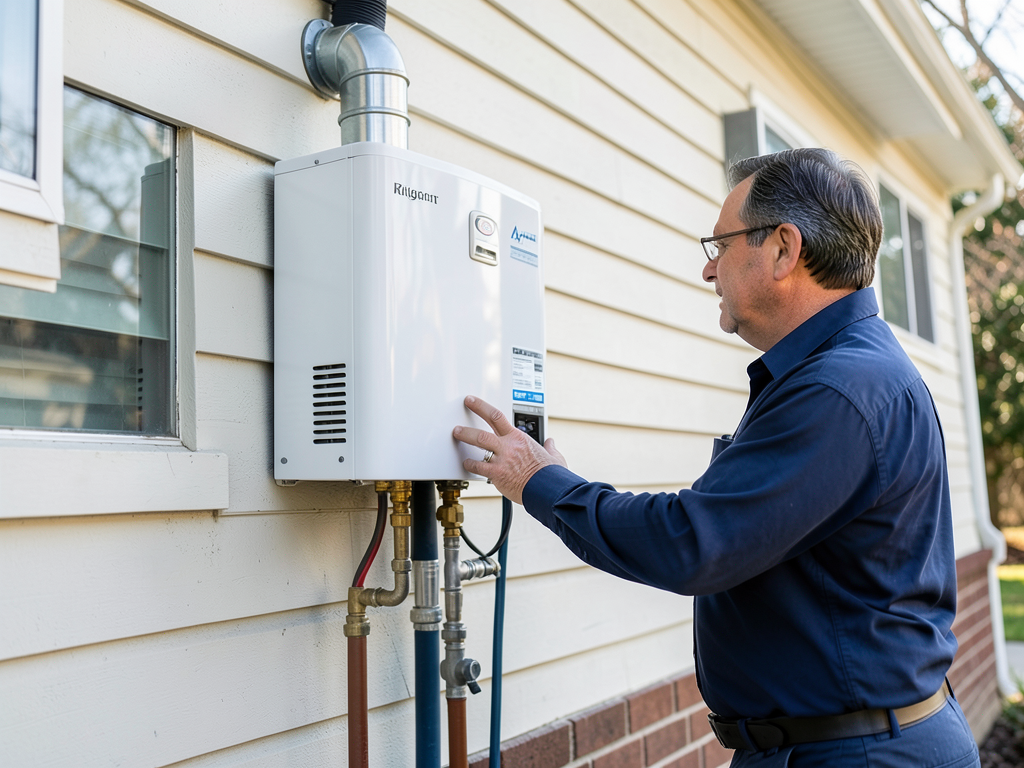
Tankless vs Heat Pump Water Heaters — Which is Better for Your Richmond Home in 2026?
Choosing between a tankless and a heat pump water heater in Richmond comes down to your home’s layout, hot water needs, and local utility rates. Tankless units deliver endless hot water on demand but need proper gas line sizing and venting. Heat pump models use ambient air to heat water, cutting electricity use by up to 60%, but they need adequate clearance and work best in unconditioned spaces. In Richmond’s mixed-humid climate, both systems can perform well, but your choice will affect installation costs, maintenance schedules, and long-term energy bills. Tankless Water Heater Installation for Modern Homes in Short Pump.
Key Differences at a Glance
| Feature | Tankless Water Heater | Heat Pump Water Heater |
|---|---|---|
| Energy Source | Natural gas or propane | Electricity |
| Efficiency (UEF) | 0.82 – 0.94 | 2.5 – 3.5 |
| Space Required | Wall-mounted, minimal floor space | Floor unit, 750+ cubic ft. of air space |
| Maintenance | Annual descaling (Richmond water hardness ~7 gpg) | Air filter cleaning every 6 months |
| Lifespan | 15-20 years | 10-15 years |
Performance in the Richmond Climate
Richmond’s average winter low of 28°F means tankless units must be properly vented to avoid freeze damage. Condensing models with stainless steel heat exchangers resist corrosion from Richmond’s high humidity. Heat pump water heaters pull heat from surrounding air, so they lose efficiency when garage or basement temps drop below 50°F. In older Fan District homes, tight mechanical closets can restrict airflow, reducing heat pump COP. Tankless units vent directly outside, avoiding indoor air quality concerns but requiring code-compliant Category III venting per the 2021 Virginia Construction Code. Plumbing Richmond.
Cost Analysis: Upfront Investment vs. Long-Term Savings
A basic tankless gas unit plus installation runs $2,800-$4,200 in Richmond, while a 50-gallon heat pump model costs $1,800-$2,600 installed. Tankless units often need a gas line upgrade—common in 1950s-1970s homes in West End—adding $500-$1,200. Heat pumps avoid venting costs but may need a condensate pump if no floor drain exists. Dominion Energy’s current gas rate of $1.09/therm vs. electricity at $0.13/kWh means a tankless unit saves $15-$25 monthly for a family of four, while a heat pump saves $20-$35 monthly in an unconditioned space. Over 15 years, the heat pump’s lower operating cost can offset its shorter lifespan. Dominion Energy’s current gas rate.
Richmond Utility Rebates and Tax Credits (2026)
The federal Energy Efficient Home Improvement Credit offers 30% of equipment cost up to $2,000 for both technologies. Richmond Department of Public Utilities provides a $300 rebate on qualifying heat pump water heaters purchased through participating retailers. Dominion Energy’s Smart Thermostat & Water Heater program occasionally bundles heat pump rebates with HVAC upgrades. Always check the U.S. Department of Energy’s rebate finder for current 2026 offers.
Space and Installation Requirements in Older Richmond Neighborhoods
Row houses in the Museum District often have limited mechanical space. A tankless unit can mount on an exterior wall with direct venting, freeing up closet space. Heat pumps need 7-foot ceilings and 750 cubic feet of air volume; many historic homes lack this clearance in crawl spaces. In newer Glen Allen subdivisions, garages provide ideal heat pump locations with stable temperatures. For tankless retrofits, verify your home’s gas line diameter meets the 2021 Virginia Fuel Gas Code—many 1980s builds have ½-inch lines that require upsizing to ¾-inch for proper flow.. Read more about Why Navien and Rinnai Tankless Heaters Need Special Care in Hard Water Areas Like Glen Allen.
Pros and Cons: Tankless Water Heaters
- Endless hot water supply
- Compact wall-mounted design
- Long lifespan (15-20 years)
- Higher upfront cost
- Requires annual descaling in Richmond’s hard water
- May need gas line or venting upgrades
Pros and Cons: Heat Pump (Hybrid) Water Heaters
- Up to 60% lower energy use
- Eligible for larger federal tax credits
- No venting or gas line changes
- Needs ample air space
- Shorter lifespan (10-15 years)
- Efficiency drops in cold spaces
The Verdict: Which System Should You Choose?
For a family of four in a 2,500 sq ft West End home with natural gas service, a condensing tankless unit often makes sense due to its longevity and space savings. If your home lacks gas service or has ample unconditioned space, a heat pump can deliver the lowest operating cost over 10-15 years. In Richmond’s mixed-humidity climate, both systems perform well if installed to code. Schedule a professional load calculation to match your GPM needs to the unit’s rating—most Richmond homes need 7-9 GPM for simultaneous showers and appliances.. Read more about What to Do When Your Shower Only Stays Hot for a Few Minutes in Henrico.
Frequently Asked Questions
Can I install a tankless water heater myself?
No. Virginia code requires a licensed plumber to handle gas line connections, venting, and pressure testing. Improper venting can cause carbon monoxide hazards.
How often should I descale a tankless unit in Richmond?
Richmond’s water hardness averages 7 grains per gallon. Annual descaling prevents scale buildup that reduces efficiency by up to 30%. Emergency Water Shut-Off Service.
Do heat pump water heaters work in cold garages?
They lose efficiency below 50°F. In unheated garages, expect 20-30% higher energy use in winter. Consider a hybrid model with electric backup.
What is the payback period for a heat pump water heater?
With rebates and tax credits, most Richmond homeowners recoup the higher upfront cost in 3-5 years through energy savings.
Can I use a tankless unit for radiant floor heating?
Yes, but you need a model with a secondary heat exchanger and a dedicated pump. This setup is common in new Glen Allen builds.
How do I know if my home has enough gas supply for tankless?
A plumber will perform a gas load calculation. Homes built before 1990 often need a ¾-inch line upgrade from the existing ½-inch.
Is a condensate pump required for a high-efficiency tankless?
If no floor drain is nearby, yes. Condensate pumps start around $150 and require a nearby GFCI outlet.
Can I claim both federal and local rebates?
Yes, but you cannot double-dip on the same cost. Federal tax credits apply to your tax return; local rebates are point-of-sale discounts.
What maintenance does a heat pump water heater need?
Clean the air filter every six months and flush the tank annually to prevent sediment buildup. Check the anode rod every three years.
Will a tankless unit work during a power outage?
Gas tankless units need electricity for the control board and ignition. Without power, they will not operate.
How do I size a tankless unit for my home?
Calculate your peak GPM demand. A typical Richmond home with two bathrooms needs a unit rated for at least 8 GPM.
Can I install a heat pump water heater in my attic?
Attics are generally too hot in summer and too cold in winter. A conditioned or semi-conditioned basement or garage is better.
What is the difference between condensing and non-condensing tankless?
Condensing units extract more heat from exhaust gases, achieving 94-96% efficiency and lower exhaust temps, allowing PVC venting. Non-condensing units need metal venting and run at 80-82% efficiency.
Do I need a thermal expansion tank with either system?
Yes, Virginia code requires a thermal expansion tank on all new or replacement water heaters to protect your plumbing from pressure spikes. Who to Call for a 24-Hour Plumbing Emergency in Downtown Richmond.
Ready to Choose the Right Water Heater?
Call (804) 602-4944 today to schedule your inspection. Our licensed plumbers will calculate your home’s GPM needs, check gas line sizing, and recommend the best system for Richmond’s climate and your budget.
Pick up the phone and call (804) 602-4944 before the next cold snap hits. Don’t wait until your old tank fails—get a professional assessment now and lock in 2026 rebates.
You may also find this helpful. Choosing Between a Rain Showerhead and a Multi-Jet System for Your Hallsley Remodel.
You may also find this helpful. How Properly Insulating Your Hot Water Pipes Can Save Energy in Richmond.
{
“@context”: “https://schema.org”,
“@type”: “BlogPosting”,
“headline”: “Tankless vs Heat Pump Water Heaters — Which is Better for Your Richmond Home in 2026?”,
“description”: “Compare tankless and heat pump water heaters for Richmond homes. Find local costs, rebates, and the best choice for Virginia’s climate in 2026.”,
“wordCount”: 1255,
“datePublished”: “2026-05-23T10:25:00.000Z”,
“dateModified”: “2026-05-23T10:25:00.000Z”,
“inLanguage”: “en-US”,
“mainEntityOfPage”: {
“@type”: “WebPage”,
“@id”: “https://summitplumbingrichmond.com”
},
“publisher”: {
“@type”: “LocalBusiness”,
“name”: “Summit Plumbing Richmond”,
“url”: “https://summitplumbingrichmond.com”
},
“author”: {
“@type”: “Organization”,
“name”: “Summit Plumbing Richmond”,
“url”: “https://summitplumbingrichmond.com”
},
“image”: {
“@type”: “ImageObject”,
“url”: “https://summitplumbingrichmond.com/wp-content/uploads/2026/03/tankless-vs-heat-pump-water-heaters-which-is-bette-1.png”
}
}
{
“@context”: “https://schema.org”,
“@type”: “Plumber”,
“name”: “Summit Plumbing Richmond”,
“url”: “https://summitplumbingrichmond.com”,
“address”: {
“@type”: “PostalAddress”,
“addressLocality”: “Richmond”
},
“areaServed”: {
“@type”: “City”,
“name”: “Richmond”
}
}
{
“@context”: “https://schema.org”,
“@type”: “FAQPage”,
“mainEntity”: [
{
“@type”: “Question”,
“name”: “The Verdict: Which System Should You Choose?”,
“acceptedAnswer”: {
“@type”: “Answer”,
“text”: “For a family of four in a 2,500 sq ft West End home with natural gas service, a condensing tankless unit often makes sense due to its longevity and space savings. If your home lacks gas service or has ample unconditioned space, a heat pump can deliver the lowest operating cost over 10-15 years. In Richmond’s mixed-humidity climate, both systems perform well if installed to code. Schedule a professional load calculation to match your GPM needs to the unit’s rating—most Richmond homes need 7-9 GPM for simultaneous showers and appliances.”
}
},
{
“@type”: “Question”,
“name”: “Can I install a tankless water heater myself?”,
“acceptedAnswer”: {
“@type”: “Answer”,
“text”: “No. Virginia code requires a licensed plumber to handle gas line connections, venting, and pressure testing. Improper venting can cause carbon monoxide hazards.”
}
},
{
“@type”: “Question”,
“name”: “How often should I descale a tankless unit in Richmond?”,
“acceptedAnswer”: {
“@type”: “Answer”,
“text”: “Richmond’s water hardness averages 7 grains per gallon. Annual descaling prevents scale buildup that reduces efficiency by up to 30%. Emergency Water Shut-Off Service.”
}
},
{
“@type”: “Question”,
“name”: “Do heat pump water heaters work in cold garages?”,
“acceptedAnswer”: {
“@type”: “Answer”,
“text”: “They lose efficiency below 50°F. In unheated garages, expect 20-30% higher energy use in winter. Consider a hybrid model with electric backup.”
}
},
{
“@type”: “Question”,
“name”: “What is the payback period for a heat pump water heater?”,
“acceptedAnswer”: {
“@type”: “Answer”,
“text”: “With rebates and tax credits, most Richmond homeowners recoup the higher upfront cost in 3-5 years through energy savings.”
}
},
{
“@type”: “Question”,
“name”: “Can I use a tankless unit for radiant floor heating?”,
“acceptedAnswer”: {
“@type”: “Answer”,
“text”: “Yes, but you need a model with a secondary heat exchanger and a dedicated pump. This setup is common in new Glen Allen builds.”
}
},
{
“@type”: “Question”,
“name”: “How do I know if my home has enough gas supply for tankless?”,
“acceptedAnswer”: {
“@type”: “Answer”,
“text”: “A plumber will perform a gas load calculation. Homes built before 1990 often need a ¾-inch line upgrade from the existing ½-inch.”
}
},
{
“@type”: “Question”,
“name”: “Is a condensate pump required for a high-efficiency tankless?”,
“acceptedAnswer”: {
“@type”: “Answer”,
“text”: “If no floor drain is nearby, yes. Condensate pumps start around $150 and require a nearby GFCI outlet.”
}
},
{
“@type”: “Question”,
“name”: “Can I claim both federal and local rebates?”,
“acceptedAnswer”: {
“@type”: “Answer”,
“text”: “Yes, but you cannot double-dip on the same cost. Federal tax credits apply to your tax return; local rebates are point-of-sale discounts.”
}
},
{
“@type”: “Question”,
“name”: “What maintenance does a heat pump water heater need?”,
“acceptedAnswer”: {
“@type”: “Answer”,
“text”: “Clean the air filter every six months and flush the tank annually to prevent sediment buildup. Check the anode rod every three years.”
}
},
{
“@type”: “Question”,
“name”: “Will a tankless unit work during a power outage?”,
“acceptedAnswer”: {
“@type”: “Answer”,
“text”: “Gas tankless units need electricity for the control board and ignition. Without power, they will not operate.”
}
},
{
“@type”: “Question”,
“name”: “How do I size a tankless unit for my home?”,
“acceptedAnswer”: {
“@type”: “Answer”,
“text”: “Calculate your peak GPM demand. A typical Richmond home with two bathrooms needs a unit rated for at least 8 GPM.”
}
},
{
“@type”: “Question”,
“name”: “Can I install a heat pump water heater in my attic?”,
“acceptedAnswer”: {
“@type”: “Answer”,
“text”: “Attics are generally too hot in summer and too cold in winter. A conditioned or semi-conditioned basement or garage is better.”
}
},
{
“@type”: “Question”,
“name”: “What is the difference between condensing and non-condensing tankless?”,
“acceptedAnswer”: {
“@type”: “Answer”,
“text”: “Condensing units extract more heat from exhaust gases, achieving 94-96% efficiency and lower exhaust temps, allowing PVC venting. Non-condensing units need metal venting and run at 80-82% efficiency.”
}
},
{
“@type”: “Question”,
“name”: “Do I need a thermal expansion tank with either system?”,
“acceptedAnswer”: {
“@type”: “Answer”,
“text”: “Yes, Virginia code requires a thermal expansion tank on all new or replacement water heaters to protect your plumbing from pressure spikes. Who to Call for a 24-Hour Plumbing Emergency in Downtown Richmond.”
}
},
{
“@type”: “Question”,
“name”: “Ready to Choose the Right Water Heater?”,
“acceptedAnswer”: {
“@type”: “Answer”,
“text”: “Call (804) 602-4944 today to schedule your inspection. Our licensed plumbers will calculate your home’s GPM needs, check gas line sizing, and recommend the best system for Richmond’s climate and your budget.”
}
}
]
}
{
“@context”: “https://schema.org”,
“@type”: “BreadcrumbList”,
“itemListElement”: [
{
“@type”: “ListItem”,
“position”: 1,
“name”: “Home”,
“item”: “https://summitplumbingrichmond.com”
},
{
“@type”: “ListItem”,
“position”: 2,
“name”: “Blog”,
“item”: “https://summitplumbingrichmond.com/blog”
},
{
“@type”: “ListItem”,
“position”: 3,
“name”: “Tankless vs Heat Pump Water Heaters — Which is Better for Your Richmond Home in 2026?”
}
]
}
{
“@context”: “https://schema.org”,
“@type”: “Service”,
“serviceType”: “Plumbing”,
“provider”: {
“@type”: “LocalBusiness”,
“name”: “Summit Plumbing Richmond”,
“url”: “https://summitplumbingrichmond.com”
},
“areaServed”: {
“@type”: “City”,
“name”: “Richmond”
},
“description”: “Compare tankless and heat pump water heaters for Richmond homes. Find local costs, rebates, and the best choice for Virginia’s climate in 2026.”
}