
How to Stop Tree Roots from Destroying Your Pipes in Windsor Farms
Windsor Farms’ mature tree canopy and Richmond’s expansive clay soil create a perfect storm for sewer line damage. Tree roots naturally seek water sources and can infiltrate even tiny cracks in your pipes, leading to costly backups and potential property damage. Within the first 100 words, here’s what you need to know: root intrusion is a progressive problem that worsens over time, and early detection through video camera inspection is your best defense against expensive repairs. EPA guide to septic system maintenance.
Why Windsor Farms Homes Are Vulnerable to Root Damage
The combination of Windsor Farms’ historic tree-lined streets and Richmond’s clay-heavy soil creates unique challenges for homeowners. Many properties in this area were built with clay or cast iron sewer pipes that are now decades old. These materials become brittle over time, developing hairline cracks that tree roots can detect from considerable distances. Sewer Line Repairs for Historic Houses in the Museum District.
Richmond’s soil composition plays a critical role in root intrusion. The area’s red clay soil expands when wet and contracts when dry, putting constant pressure on underground pipes. This movement can create microscopic gaps that tree roots exploit. The mature oaks, maples, and poplars common in Windsor Farms have extensive root systems that can extend far beyond the tree’s canopy, often reaching your sewer line. Fixing Main Line Sewer Backups in Bon Air Neighborhoods.
Local building codes require proper sewer line installation, but many Windsor Farms homes were constructed before modern PVC piping became standard. The Virginia Uniform Statewide Building Code (USBC) now mandates specific pipe materials and installation depths, but older systems remain vulnerable to root penetration.
Signs Tree Roots Have Invaded Your Sewer Line
Early detection of root intrusion can save you thousands in repair costs. Here are the warning signs that tree roots may be damaging your sewer line:
- Gurgling sounds from toilets or drains when water is running elsewhere in the house
- Slow drains that don’t respond to standard plunging or chemical cleaners
- Multiple fixtures backing up simultaneously (toilets, showers, sinks)
- Unpleasant sewer odors in your yard or basement
- Sinkholes or unusually lush patches of grass over your sewer line
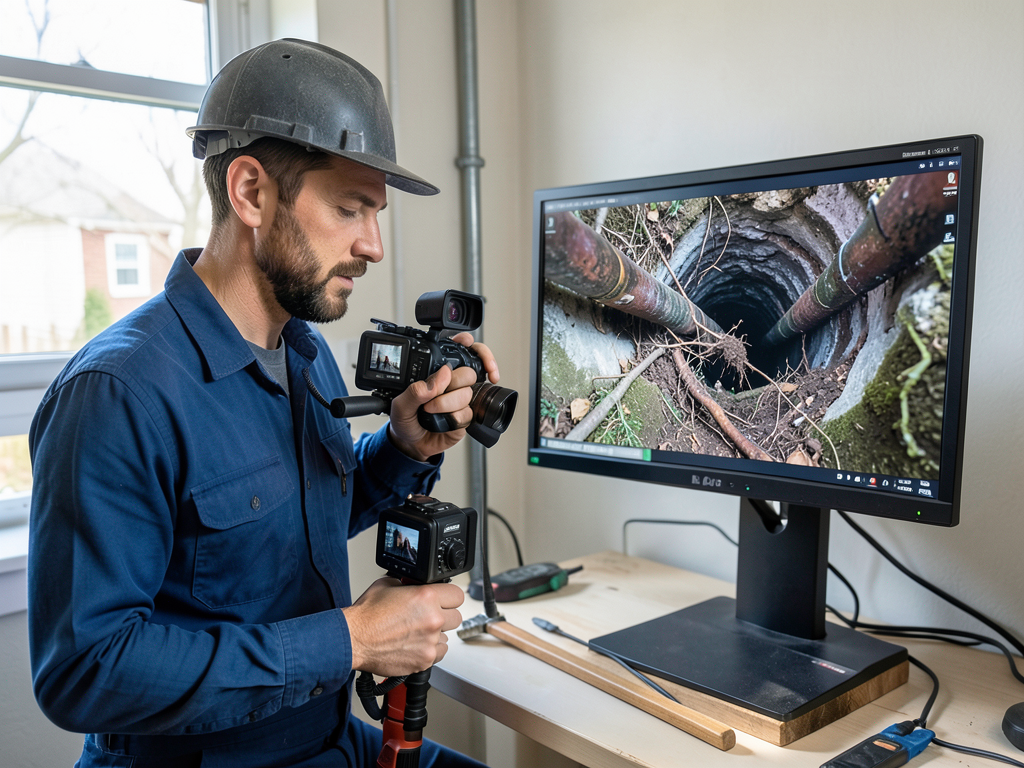
The diagnostic process begins with a video camera inspection. Our technicians insert a waterproof camera into your sewer line to visually inspect the pipe’s interior. This technology allows us to identify root intrusion, pipe damage, and blockages without digging up your yard. Tankless Water Heater Installation for Modern Homes in Short Pump.
During a typical inspection, the camera reveals root masses that look like thick, tangled hair inside the pipe. These root systems can reduce your pipe’s diameter by 50% or more, causing significant drainage problems. The camera also shows the pipe’s material, age, and any structural damage that needs attention.. Read more about A Plumbing Inspection Checklist for Anyone Buying a House in the West End.
Common Richmond Tree Species That Threaten Sewer Lines
Windsor Farms’ beautiful tree canopy includes several species notorious for aggressive root systems. Understanding which trees pose the greatest risk can help you make informed decisions about your property.. Read more about The Honest Truth About PEX vs Copper Piping for Richmond Area Repipes.
Silver maples are among the most problematic trees for sewer lines. Their roots grow rapidly and can extend up to three times the height of the tree. These trees are common throughout Richmond and particularly prevalent in older neighborhoods like Windsor Farms.. Read more about Planning the Plumbing and Gas Lines for Your New Outdoor Kitchen in Woodlake.
Willow trees, though less common in Windsor Farms, have extremely invasive root systems that seek water aggressively. Their roots can travel hundreds of feet in search of moisture, making them a significant threat to any underground pipes.
Oak trees, while majestic, have deep and extensive root systems that can cause structural damage to pipes over time. The mature oaks in Windsor Farms have been growing for decades, and their root systems have had ample time to reach sewer lines.
Even smaller trees like dogwoods and redbuds can cause problems if planted too close to sewer lines. Their roots may not be as aggressive, but they can still find and exploit existing pipe vulnerabilities.
Video Camera Inspection: The First Step to Solving Root Problems
Video camera inspection is the most effective way to diagnose root intrusion in your sewer line. This non-invasive diagnostic tool provides real-time video footage of your pipe’s interior, allowing technicians to identify the exact location and extent of root damage.
The inspection process takes about 30-45 minutes and involves inserting a flexible rod with a high-resolution camera into your sewer line through an existing cleanout or toilet. The camera transmits live video to a monitor, allowing the technician to assess the pipe’s condition as they advance through the system.
During the inspection, technicians look for several key indicators of root intrusion. They examine the pipe’s interior for root masses, which appear as dark, fibrous growths protruding into the pipe’s flow path. They also check for cracks, separations, and other structural damage that might allow roots to enter.
The camera inspection also reveals the pipe’s material and age, which helps determine the best repair approach. Clay pipes, common in Windsor Farms’ older homes, are particularly susceptible to root intrusion and may require different solutions than modern PVC pipes.
Based on the inspection findings, technicians provide a detailed report with recommendations for addressing the root problem. This might include immediate clearing of the roots, pipe repair or replacement, or preventive treatments to inhibit future growth.
Root Removal Methods: Hydro Jetting vs. Mechanical Snaking
Once root intrusion is confirmed, you need to choose between different removal methods. The two most common approaches are hydro jetting and mechanical snaking, each with distinct advantages.
Hydro jetting uses high-pressure water (typically 3,000-4,000 PSI) to blast roots and debris from your pipes. This method is highly effective at removing all root material and restoring full pipe diameter. The water pressure is strong enough to cut through even thick root masses while being safe for your pipes.
Mechanical snaking involves using a rotating cable with cutting blades to physically chop through roots. While effective for immediate clearing, this method may leave some root fragments behind that can regrow. Snaking is often less expensive than hydro jetting but may require more frequent service.
Hydro jetting provides several advantages over mechanical snaking. It cleans the entire pipe diameter, not just creating a channel through the blockage. The high-pressure water also removes scale, grease, and other buildup that can contribute to future problems. Many technicians recommend hydro jetting as a more thorough solution, especially for severe root intrusion.
The choice between methods often depends on the severity of the root intrusion, your pipe’s condition, and your budget. For Windsor Farms homes with mature trees and older pipes, hydro jetting often provides the most comprehensive solution.
Trenchless Sewer Repair: Modern Solutions for Historic Neighborhoods
Traditional sewer repair often requires extensive excavation, which can damage landscaping, driveways, and other property features. Trenchless technology offers Windsor Farms homeowners a less disruptive alternative that preserves the neighborhood’s historic character.
Cured-in-Place Pipe (CIPP) lining is one of the most popular trenchless repair methods. This process involves inserting a flexible liner coated with epoxy resin into your existing pipe. The liner is then inflated and cured using hot water or steam, creating a new pipe within your old one.
The CIPP process typically takes one day and requires only two access points rather than digging up your entire yard. The new pipe is seamless, jointless, and resistant to root intrusion. It also restores your pipe to like-new condition without the need for complete replacement.
Another trenchless option is pipe bursting, which involves pulling a new pipe through the old one while simultaneously fracturing the damaged pipe outward. This method is ideal for severely damaged pipes that need complete replacement but works best when there’s adequate space for the new pipe.
Trenchless repairs offer several benefits for Windsor Farms homeowners. They minimize property damage, reduce repair time, and often cost less than traditional excavation. The new pipes installed through these methods are also more resistant to future root intrusion.
According to Richmond Department of Public Utilities guidelines, trenchless repairs must meet specific standards for pipe material and installation. Our technicians are familiar with these requirements and ensure all work complies with local regulations.
Preventive Treatments: Stopping Roots Before They Enter
After addressing existing root intrusion, preventive treatments can help protect your sewer line from future problems. These treatments create a chemical barrier that inhibits root growth near your pipes without harming the tree.
Root-killing chemicals like copper sulfate or dichlobenil can be flushed down your drains to create a zone of inhibition around your pipes. These chemicals are absorbed by roots and prevent them from growing near the pipe while being safe for the tree’s overall health when used correctly.
Foaming root killers offer another preventive option. These products expand inside your pipes, coating the interior surfaces with a root-inhibiting chemical. The foam reaches areas that liquid treatments might miss, providing more comprehensive protection.
Annual maintenance treatments are often recommended for properties with mature trees near sewer lines. These treatments involve applying root-killing chemicals at regular intervals to maintain the protective barrier around your pipes.
Physical barriers can also prevent root intrusion. These barriers, made from metal or fabric impregnated with root-inhibiting chemicals, are installed between trees and sewer lines to redirect root growth away from pipes.
The effectiveness of preventive treatments depends on several factors, including the proximity of trees to your sewer line, the tree species, and the condition of your pipes. A professional assessment can help determine the best preventive strategy for your specific situation.
Cost Factors for Root Damage Repair in Richmond
The cost of addressing tree root damage varies significantly based on several factors. Understanding these cost drivers can help you budget appropriately and make informed decisions about repair options.
Video camera inspection costs typically range from $200 to $500 in the Richmond area. This diagnostic step is essential for determining the extent of root damage and choosing the appropriate repair method.
Root removal costs depend on the method used and the severity of the intrusion. Hydro jetting typically costs $400 to $600 for residential sewer lines, while mechanical snaking might range from $250 to $400. Severe cases requiring multiple passes or specialized equipment can cost more.
Trenchless repairs like CIPP lining generally cost $80 to $120 per linear foot of pipe. For a typical Richmond home with 50-100 feet of affected pipe, this translates to $4,000 to $12,000. While this seems expensive, it’s often less than traditional excavation, which can cost $150 to $250 per linear foot.
Factors that increase repair costs include pipe accessibility, the need for permits, and any necessary landscaping restoration. Homes in historic districts like Windsor Farms may face additional requirements that affect the repair process and timeline.
Insurance coverage for root damage varies by policy. Some homeowner’s insurance policies cover sudden and accidental damage but may exclude gradual deterioration. Check your policy or consult with your insurance agent to understand your coverage.
DIY vs. Professional Root Removal: Why Experience Matters
Many homeowners consider DIY solutions for root removal, but professional expertise often proves essential for effective, long-lasting results. Understanding the limitations of DIY approaches can help you make the right choice.
Over-the-counter root killers can provide temporary relief but rarely address the underlying problem. These products may kill some roots but often leave enough material behind for regrowth. They also can’t identify or address pipe damage that allows roots to enter.
Mechanical drain snakes available at hardware stores lack the power and reach of professional equipment. While they might clear immediate blockages, they often can’t remove extensive root systems or reach deep into your sewer line.
Professional technicians bring several advantages to root removal. They have industrial-grade equipment that can handle severe root intrusion. They also provide video verification that the problem is fully resolved, something impossible with DIY methods.
Experience matters when dealing with different pipe materials and configurations. Professional technicians understand how to work with clay, cast iron, and PVC pipes without causing additional damage. They also know local building codes and permit requirements.
Professional services often include warranties on their work, providing peace of mind that DIY solutions can’t match. Many companies guarantee their repairs for several years, protecting your investment in your home’s plumbing system. Who to Call for a 24-Hour Plumbing Emergency in Downtown Richmond.
Maintenance Schedule for Sewer Line Protection
Establishing a regular maintenance schedule can prevent minor root problems from becoming major emergencies. A proactive approach saves money and prevents the inconvenience of sewer backups.
Annual video camera inspections are recommended for homes with mature trees near sewer lines. These inspections can identify developing problems before they cause backups or damage. The cost of annual inspections is minimal compared to emergency repairs.
Preventive root treatments should be applied every 6-12 months, depending on the severity of your tree situation. Properties with aggressive tree species or older pipes may benefit from more frequent treatments.
Watch for warning signs between professional inspections. Unusual drain behavior, odors, or slow drainage should prompt immediate investigation. Addressing problems early typically costs less than emergency repairs.
Consider the age and condition of your pipes when planning maintenance. Homes with pipes over 40 years old may need more frequent attention than newer properties. The material of your pipes also affects maintenance needs, with clay pipes requiring more attention than modern PVC.
Document all maintenance and repairs for future reference. This history helps technicians understand your system’s condition and can be valuable if you sell your home.
Frequently Asked Questions
How long does it take for tree roots to damage sewer pipes?
Tree roots can begin infiltrating pipes within months of detecting moisture, but significant damage typically develops over several years. The timeline depends on factors like pipe material, tree species, and soil conditions. Clay pipes in Richmond’s expansive soil may show problems within 5-10 years of installation.
Can I plant new trees near my sewer line?
Choose tree species with less aggressive root systems and plant them at least 10 feet from any sewer line. Slow-growing trees like Japanese maple or dogwood are better choices than fast-growing species like silver maple or willow. Always consider the mature size of the tree when planning placement.
Will cutting down a tree solve my root problems?
Removing the tree won’t immediately solve root problems, as roots can continue growing for months or years after the tree is gone. The roots will eventually decompose, but this process can take several years. Professional root removal and pipe repair are still necessary even after tree removal.
How can I tell if my pipes are clay or PVC?
Clay pipes are typically orange-brown in color and have hub-and-spigot connections that create a slight offset between pipe sections. PVC pipes are white or cream-colored with uniform diameter and glued connections. A video camera inspection can definitively identify your pipe material if you’re unsure.
Is root damage covered by homeowner’s insurance?
Coverage varies by policy. Many policies cover sudden and accidental damage but exclude gradual deterioration like root intrusion. Some policies may cover damage if it’s caused by a covered peril like a fallen tree. Review your policy or consult with your insurance agent for specific coverage information.
- Recognize Warning Signs
Watch for gurgling drains, slow drainage, and multiple fixture backups that indicate potential root intrusion in your sewer line.
- Schedule Video Inspection
Have a professional plumber perform a camera inspection to confirm root presence and assess pipe condition before proceeding with treatment.
- Choose Removal Method
Select between hydro jetting for thorough cleaning or mechanical snaking for immediate clearing based on severity and budget.
- Repair Damaged Pipes
Consider trenchless options like CIPP lining to restore pipe integrity without extensive excavation of your Windsor Farms property.
- Apply Preventive Treatments
Implement regular root-killing treatments and annual inspections to prevent future root intrusion in your sewer system.
Protecting Your Windsor Farms Home from Root Damage
Tree root damage to sewer lines is a progressive problem that worsens over time. What starts as a minor infiltration can develop into a complete blockage or pipe collapse if left untreated. The mature trees that make Windsor Farms beautiful can also threaten your home’s plumbing infrastructure. Plumbing Bon Air.
Understanding the signs of root intrusion and taking prompt action when problems arise can save you thousands in repair costs. Video camera inspection provides the most accurate diagnosis, allowing technicians to develop targeted solutions for your specific situation.
Modern trenchless repair technologies offer Windsor Farms homeowners effective solutions that preserve the neighborhood’s historic character. These methods minimize property damage while providing long-lasting protection against future root intrusion.
Preventive maintenance, including regular inspections and root treatments, represents the most cost-effective approach to protecting your sewer line. The small investment in annual maintenance typically costs far less than emergency repairs or pipe replacement.
Don’t wait for a sewage backup to discover you have a root problem. If you’ve noticed any warning signs or if it’s been several years since your last sewer inspection, now is the time to act. Early intervention prevents minor issues from becoming major emergencies.
Call (804) 602-4944 today to schedule your video camera inspection and take the first step toward protecting your Windsor Farms home from tree root damage. Our experienced technicians understand the unique challenges of Richmond’s soil and tree conditions, and we’re ready to provide the solutions you need.
Pick up the phone and call (804) 602-4944 before the next storm hits. Don’t let tree roots destroy your pipes and disrupt your life. We’re here to help Windsor Farms homeowners maintain their beautiful properties while protecting their essential plumbing infrastructure. For more information, visit IICRC industry standards.
Comparing Root Removal Methods
| Method | Cost Range | Effectiveness | Time Required |
|---|---|---|---|
| Hydro Jetting | $400-600 | High – Cleans entire pipe | 1-2 hours |
| Mechanical Snaking | $250-400 | Medium – Creates channel | 30-60 minutes |
| Chemical Treatment | $100-200 | Low – Temporary solution | 24-48 hours |
| Trenchless Repair | $80-120/ft | Very High – Permanent fix | 1 day |
Tree Species Risk Assessment
| Tree Species | Root Aggression | Common in Windsor Farms | Recommended Distance from Pipes |
|---|---|---|---|
| Silver Maple | Very High | Yes | 30+ feet |
| Willow | Very High | Limited | 40+ feet |
| Oak | High | Yes | 20+ feet |
| Pine | Medium | Limited | 15+ feet |
| Dogswood | Low | Yes | 10+ feet |
– Technical diagram showing how tree roots infiltrate sewer pipes through cracks and joints, with cross-section view of root growth patterns inside the pipe.
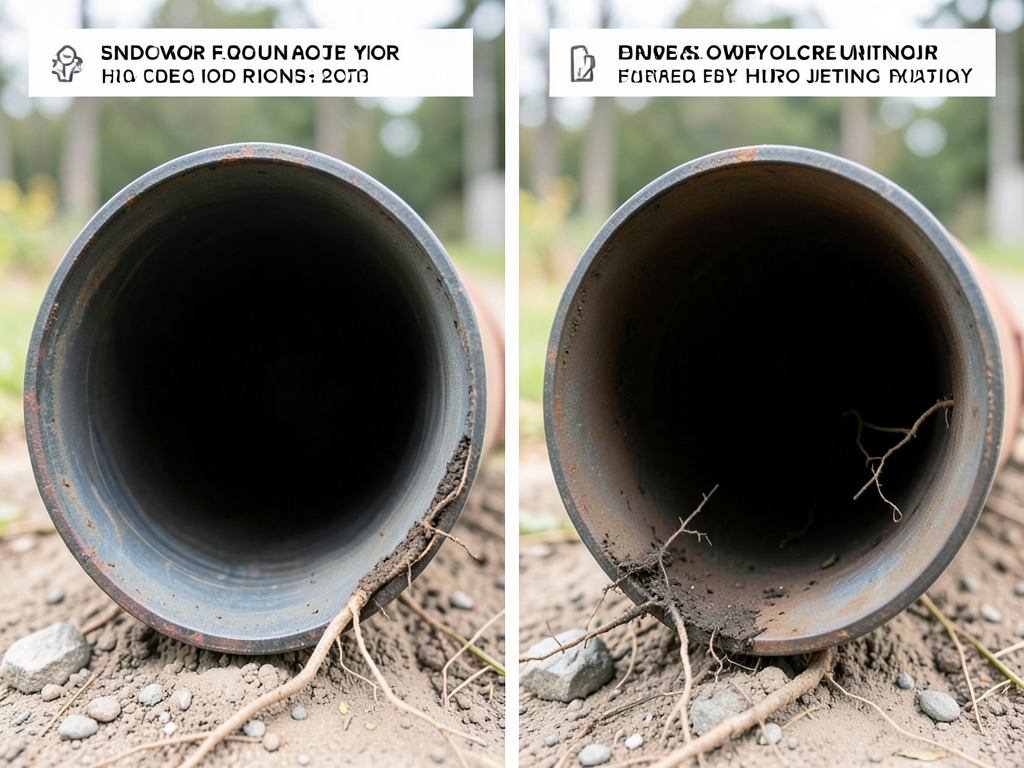
– Before and after photo of a sewer line video inspection showing root masses inside the pipe before cleaning and the clean pipe after hydro jetting treatment.
– Technician using a video camera inspection system to examine a sewer line, with monitor showing real-time footage of pipe interior conditions.
{
“@context”: “https://schema.org”,
“@type”: “BlogPosting”,
“headline”: “How to Stop Tree Roots from Destroying Your Pipes in Windsor Farms”,
“description”: “Windsor Farms homeowners face unique sewer line threats from mature trees and clay soil. Learn how to detect, prevent, and repair root damage with trenchless solutions.”,
“wordCount”: 3102,
“datePublished”: “2026-03-08T14:08:00.000Z”,
“dateModified”: “2026-03-08T14:08:00.000Z”,
“inLanguage”: “en-US”,
“mainEntityOfPage”: {
“@type”: “WebPage”,
“@id”: “https://summitplumbingrichmond.com”
},
“publisher”: {
“@type”: “LocalBusiness”,
“name”: “Summit Plumbing Richmond”,
“url”: “https://summitplumbingrichmond.com”
},
“author”: {
“@type”: “Organization”,
“name”: “Summit Plumbing Richmond”,
“url”: “https://summitplumbingrichmond.com”
},
“image”: {
“@type”: “ImageObject”,
“url”: “https://summitplumbingrichmond.com/wp-content/uploads/2026/03/how-to-stop-tree-roots-from-destroying-your-pipes-1.png”
}
}
{
“@context”: “https://schema.org”,
“@type”: “Plumber”,
“name”: “Summit Plumbing Richmond”,
“url”: “https://summitplumbingrichmond.com”,
“address”: {
“@type”: “PostalAddress”,
“addressLocality”: “Richmond”
},
“areaServed”: {
“@type”: “City”,
“name”: “Richmond”
}
}
{
“@context”: “https://schema.org”,
“@type”: “FAQPage”,
“mainEntity”: [
{
“@type”: “Question”,
“name”: “How long does it take for tree roots to damage sewer pipes?”,
“acceptedAnswer”: {
“@type”: “Answer”,
“text”: “Tree roots can begin infiltrating pipes within months of detecting moisture, but significant damage typically develops over several years. The timeline depends on factors like pipe material, tree species, and soil conditions. Clay pipes in Richmond’s expansive soil may show problems within 5-10 years of installation.”
}
},
{
“@type”: “Question”,
“name”: “Can I plant new trees near my sewer line?”,
“acceptedAnswer”: {
“@type”: “Answer”,
“text”: “Choose tree species with less aggressive root systems and plant them at least 10 feet from any sewer line. Slow-growing trees like Japanese maple or dogwood are better choices than fast-growing species like silver maple or willow. Always consider the mature size of the tree when planning placement.”
}
},
{
“@type”: “Question”,
“name”: “Will cutting down a tree solve my root problems?”,
“acceptedAnswer”: {
“@type”: “Answer”,
“text”: “Removing the tree won’t immediately solve root problems, as roots can continue growing for months or years after the tree is gone. The roots will eventually decompose, but this process can take several years. Professional root removal and pipe repair are still necessary even after tree removal.”
}
},
{
“@type”: “Question”,
“name”: “Is root damage covered by homeowner’s insurance?”,
“acceptedAnswer”: {
“@type”: “Answer”,
“text”: “Coverage varies by policy. Many policies cover sudden and accidental damage but exclude gradual deterioration like root intrusion. Some policies may cover damage if it’s caused by a covered peril like a fallen tree. Review your policy or consult with your insurance agent for specific coverage information.”
}
}
]
}
{
“@context”: “https://schema.org”,
“@type”: “HowTo”,
“name”: “How to Address Tree Root Sewer Problems”,
“step”: [
{
“@type”: “HowToStep”,
“position”: 1,
“name”: “Recognize Warning Signs”,
“text”: “Watch for gurgling drains, slow drainage, and multiple fixture backups that indicate potential root intrusion in your sewer line.”
},
{
“@type”: “HowToStep”,
“position”: 2,
“name”: “Schedule Video Inspection”,
“text”: “Have a professional plumber perform a camera inspection to confirm root presence and assess pipe condition before proceeding with treatment.”
},
{
“@type”: “HowToStep”,
“position”: 3,
“name”: “Choose Removal Method”,
“text”: “Select between hydro jetting for thorough cleaning or mechanical snaking for immediate clearing based on severity and budget.”
},
{
“@type”: “HowToStep”,
“position”: 4,
“name”: “Repair Damaged Pipes”,
“text”: “Consider trenchless options like CIPP lining to restore pipe integrity without extensive excavation of your Windsor Farms property.”
},
{
“@type”: “HowToStep”,
“position”: 5,
“name”: “Apply Preventive Treatments”,
“text”: “Implement regular root-killing treatments and annual inspections to prevent future root intrusion in your sewer system.”
}
],
“image”: “https://summitplumbingrichmond.com/wp-content/uploads/2026/03/how-to-stop-tree-roots-from-destroying-your-pipes-1.png”
}
{
“@context”: “https://schema.org”,
“@type”: “BreadcrumbList”,
“itemListElement”: [
{
“@type”: “ListItem”,
“position”: 1,
“name”: “Home”,
“item”: “https://summitplumbingrichmond.com”
},
{
“@type”: “ListItem”,
“position”: 2,
“name”: “Blog”,
“item”: “https://summitplumbingrichmond.com/blog”
},
{
“@type”: “ListItem”,
“position”: 3,
“name”: “How to Stop Tree Roots from Destroying Your Pipes in Windsor Farms”
}
]
}
{
“@context”: “https://schema.org”,
“@type”: “Service”,
“serviceType”: “Plumbing”,
“provider”: {
“@type”: “LocalBusiness”,
“name”: “Summit Plumbing Richmond”,
“url”: “https://summitplumbingrichmond.com”
},
“areaServed”: {
“@type”: “City”,
“name”: “Richmond”
},
“description”: “Windsor Farms homeowners face unique sewer line threats from mature trees and clay soil. Learn how to detect, prevent, and repair root damage with trenchless solutions.”
}