
Sewer Line Repairs for Historic Houses in the Museum District
Living in Richmond’s Museum District means owning a piece of history. But those charming 1920s homes often hide aging sewer lines beneath brick sidewalks and mature oak trees. When roots invade clay pipes or cast iron corrodes from the inside out, you need a specialist who understands both the plumbing and the preservation requirements unique to this neighborhood.. Read more about Trenchless Sewer Line Replacement for Richmond Homeowners Who Want to Save Their Yard.
Most Museum District sewer failures happen in pipes installed before World War II. These systems weren’t built for today’s water usage or the expansive red clay soil that shifts with every heavy rain. The result? Frequent backups, slow drains, and the unmistakable smell of sewage in basements along Grove Avenue and Belmont Road.. Read more about Protect Your Henrico Basement with a Professional Sump Pump Installation.
Why Museum District Homes Face Unique Sewer Challenges
The Museum District’s tree canopy creates both beauty and plumbing problems. Mature maples and oaks send roots searching for water through the smallest pipe joints. In clay pipes common to homes built before 1950 these roots find perfect entry points. Once inside they grow rapidly creating blockages that no amount of plunging can fix.
Beyond roots the soil itself works against these old pipes. Richmond’s expansive clay expands when wet and contracts when dry. This constant movement causes pipes to separate at joints or crack completely. Combine this with the original pipe materials clay that becomes brittle with age and cast iron that corrodes from the inside out and you have a recipe for failure. EPA guidelines on sewer line repair.
Many Museum District properties also share sewer lines between multiple homes. This means a blockage in one house can affect several neighbors. The shared responsibility for repairs adds another layer of complexity when coordinating with Richmond DPU and multiple property owners.
Trenchless vs Traditional Sewer Repair Methods
Traditional sewer repair means digging trenches across your yard often destroying mature landscaping and historic brick walkways. For Museum District homes this approach creates additional problems. Many properties have limited side yard access and the narrow lots typical of Fan-style architecture make heavy equipment difficult to maneuver.
Trenchless technology offers a better solution for these historic properties. Pipe lining creates a new pipe within the old one without excavation. Technicians insert a flexible liner coated with epoxy resin then inflate it to cure against the existing pipe walls. The result is a seamless new pipe that resists root intrusion and lasts 50+ years.
Another trenchless option pipe bursting actually replaces the old pipe by pulling a new one through while breaking apart the damaged original. This method works well when the old pipe is collapsed or when upsizing to handle increased flow from modern appliances and bathrooms.. Read more about Local Experts for Bathroom Plumbing Renovations in Carytown.
The choice between methods depends on pipe condition and access points. A video camera inspection reveals whether lining will work or if the pipe damage requires complete replacement. For most Museum District homes trenchless methods preserve the historic character while solving the underlying plumbing issues.
Richmond DPU Requirements for Museum District Repairs
Repairing sewer lines in the Museum District requires navigating Richmond Department of Public Utilities regulations. DPU maintains records showing where private lines connect to the city main typically near the street. Any repair work must respect these boundaries and obtain proper permits before starting.
DPU requires a licensed Master Plumber to pull permits for sewer work. The process includes submitting video inspection footage showing the problem location and proposed repair method. For historic districts additional review may be required to ensure repairs won’t damage protected elements like brick sidewalks or mature trees.
Virginia Uniform Statewide Building Code mandates specific pipe materials and installation methods. Modern PVC must meet ASTM standards for pressure and chemical resistance. For repairs near foundations or under structures additional reinforcement may be required to prevent future settlement issues. Virginia Uniform Statewide Building Code.
Working with a contractor familiar with DPU procedures saves time and prevents costly mistakes. Some repairs require coordination with the city to temporarily block sewer flow during work. Understanding these requirements upfront prevents delays and ensures your repair meets all local standards.
Common Museum District Sewer Problems We See
Tree root intrusion affects nearly every Museum District home with original clay pipes. Roots enter through joints or cracks then grow into dense masses that trap debris and create complete blockages. The first sign is usually gurgling sounds from drains or slow flushing toilets. Left untreated roots can completely destroy pipe sections.
Cast iron pipes installed in the 1940s and 1950s corrode from the inside out. The corrosion creates rough surfaces that catch toilet paper and waste. Over time the pipe walls thin until they collapse under soil pressure. You might notice sewage backing up in basement floor drains or wet spots in your yard above the pipe.
Orangeburg pipe a fiber material used in some mid-century installations deteriorates when exposed to moisture. This pipe literally falls apart leaving sections of sewer line completely open to soil infiltration. The repair requires complete replacement since the material cannot be effectively patched or lined.
Shared sewer lines between rowhouses create unique problems. When one home experiences a blockage the pressure can force sewage back into neighboring properties. Identifying which section needs repair requires systematic testing of all connected homes and coordination with multiple property owners.
Our Sewer Repair Process for Historic Homes
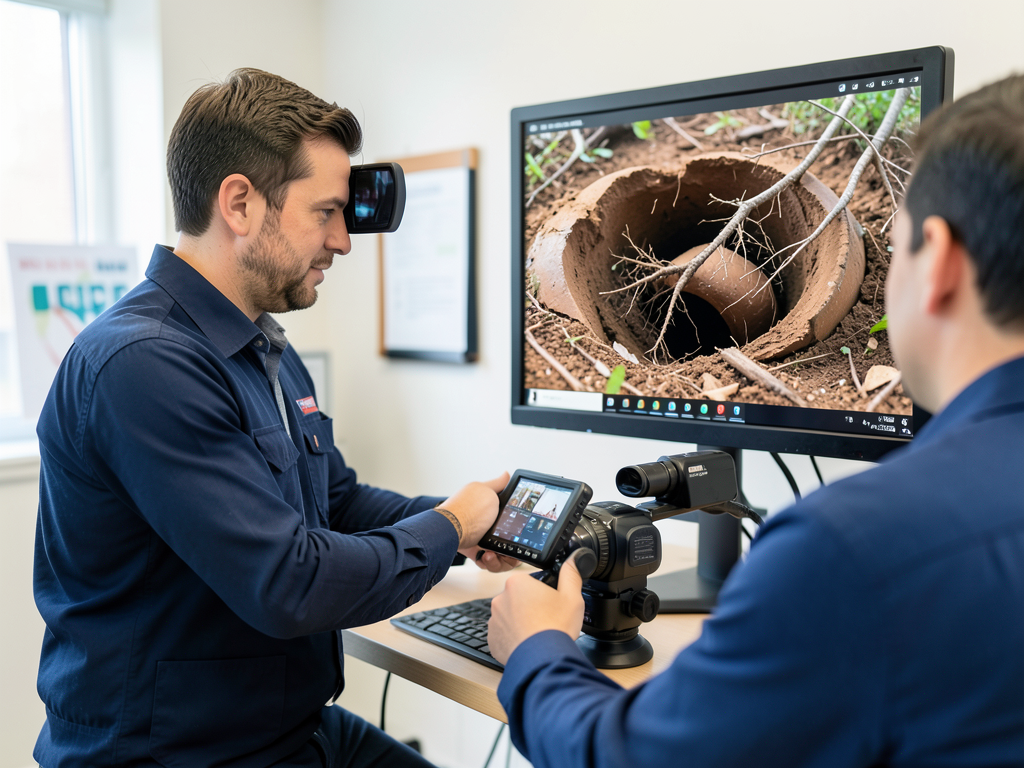
Every repair starts with a video camera inspection. We feed a waterproof camera through your sewer line to identify problem locations pipe material and damage extent. The camera reveals root masses corrosion patterns and pipe separations that aren’t visible from the surface. This diagnostic step determines the most effective repair approach.
For root intrusion we often start with hydro-jetting. This process uses high-pressure water streams to cut through root masses and scour pipe walls clean. The rotating nozzle reaches every part of the pipe removing years of accumulated debris. After jetting we inspect again to confirm all roots are removed and assess remaining pipe condition.
Based on the inspection results we recommend either pipe lining or replacement. Lining works when pipes maintain structural integrity but have surface damage or joint separation. The process takes one day and you can use your plumbing that evening. Replacement becomes necessary for collapsed pipes or when the existing line cannot handle modern flow rates.
Permitting and DPU coordination happen before any work begins. We handle all paperwork and scheduling to minimize your involvement. During repair we protect your property using ground protection mats and careful equipment placement. For trenchless methods we need only small access points typically through existing cleanouts or small excavations near the house.
After completion we perform another camera inspection to verify the repair quality. We provide you with before and after footage along with documentation for your records. Most repairs include a warranty on both materials and workmanship giving you confidence the problem won’t return.
Preserving Your Museum District Property During Repairs
Museum District homeowners often worry about damage to mature landscaping during sewer repairs. The good news is modern trenchless methods minimize this impact. Pipe lining requires only small access holes typically 18-24 inches in diameter. We can usually work through existing cleanouts or from inside the house avoiding yard excavation entirely.
For properties with historic brick walkways or retaining walls we take extra precautions. When excavation is necessary we carefully remove and label each brick for replacement. We work with landscape contractors who can repair any damage and match existing materials. The goal is leaving your property in better condition than we found it.
Tree preservation is another priority. Richmond’s tree protection ordinances restrict work near mature trees. Our trenchless methods avoid cutting major roots that could destabilize historic oaks and maples. When roots must be cut we follow ISA guidelines for proper pruning to promote healing and prevent disease entry.
We also consider the visual impact of repair equipment. Museum District streets have limited parking and narrow sidewalks. We coordinate with you and neighbors to stage equipment efficiently and minimize disruption. Our crews clean daily and remove all debris at project completion.
Emergency Sewer Backup Response
Sewer backups create immediate health hazards and property damage. When sewage backs into your home you need fast action. Our emergency response includes 24/7 availability with technicians who can typically arrive within two hours of your call to (804) 602-4944.
First we stop the backup using specialized equipment to clear the blockage. Then we assess damage extent and recommend permanent repairs. Emergency service includes cleanup of contaminated areas using EPA-registered disinfectants and proper disposal of affected materials.
Many homeowners don’t realize their insurance may cover sewer backup damage. We can help document the problem and provide information for insurance claims. Quick response prevents mold growth and structural damage that could cost thousands more to repair later.
Prevention is better than emergency repair. Annual camera inspections can identify developing problems before they cause backups. For homes with history of issues we recommend scheduled maintenance to keep roots under control and pipes flowing freely.
Cost Factors for Museum District Sewer Repairs
Repair costs vary based on several factors specific to Museum District properties. Access difficulty affects pricing since some homes require creative solutions to reach buried pipes. Shared lines between multiple properties add coordination costs and may require agreements between homeowners before work can begin.
Material costs have increased significantly for PVC and specialty resins used in trenchless lining. Supply chain issues mean some specialty fittings may have longer lead times adding to project duration. However trenchless methods typically cost 30-40% less than traditional excavation when factoring in landscape restoration and sidewalk replacement.
Historic preservation requirements may add permitting fees or require additional documentation. Working with DPU and historic review boards takes time but ensures your repair meets all requirements. We provide detailed estimates showing all cost components so you understand exactly what you’re paying for.
Most homeowners find that investing in quality trenchless repairs saves money long-term. The durability of modern materials means fewer future repairs and the preservation of mature landscaping that would cost thousands to replace if damaged by excavation.
Choosing the Right Contractor for Your Museum District Home
Not all plumbing companies understand the unique requirements of Museum District sewer repairs. You need a contractor with specific experience in historic properties trenchless technology and Richmond DPU procedures. Look for companies that employ Master Plumbers with years of local experience rather than general handymen.
Ask potential contractors about their experience with similar properties. A reputable company should provide references from Museum District homeowners and show examples of completed repairs. They should explain their permitting process and timeline clearly without vague promises about avoiding regulations.
Modern equipment matters for quality repairs. Video inspection cameras should provide clear images of pipe condition. Hydro-jetting equipment needs sufficient pressure for effective root removal. For trenchless work the contractor should use current generation lining equipment with proven track records.
Communication throughout the process prevents surprises. Your contractor should explain findings from camera inspections clearly and provide options for repair approaches. They should give realistic timelines accounting for permitting and material availability. Most importantly they should respect your property and clean thoroughly after completing work.
Frequently Asked Questions
How do I know if my Museum District home has sewer line problems?
Common signs include slow drains gurgling sounds from toilets or multiple fixtures backing up simultaneously. Sewage odors in basements or yards indicate serious problems. If you notice any of these issues call (804) 602-4944 for a camera inspection before the problem worsens.
Can trenchless repair work on my 1920s clay pipes?
Yes if the pipes maintain structural integrity. Lining works well for pipes with joint separation or surface damage but won’t fix collapsed sections. A camera inspection determines whether lining or replacement is the better option for your specific situation.
How long does a typical sewer repair take?
Trenchless lining usually takes one day with your plumbing usable that evening. Traditional replacement may take 2-3 days plus time for landscape restoration. Emergency blockages can often be cleared within hours of your call to (804) 602-4944.
Will my homeowner’s insurance cover sewer repairs?
Standard policies typically don’t cover the sewer line itself but may cover damage caused by backups. Check your policy for sewer backup coverage. We can provide documentation for insurance claims if needed.
Do I need permits for sewer line repairs in the Museum District?
Yes Richmond DPU requires permits for all sewer work. A licensed Master Plumber must pull these permits. The process includes submitting inspection footage and repair plans. We handle all permitting to ensure your repair meets city requirements.

Ready to Fix Your Museum District Sewer Problems?
Don’t let sewer line problems damage your historic home or create health hazards for your family. Our team understands the unique challenges of Museum District plumbing and knows how to fix problems while preserving your property’s character. We’ve helped homeowners throughout the 23220 and 23221 zip codes solve their toughest sewer issues.
Whether you’re dealing with tree root intrusion, aging cast iron pipes, or mysterious backups we have the equipment and expertise to diagnose and repair the problem correctly the first time. Our trenchless methods mean minimal disruption to your mature landscaping and historic features.
Call (804) 602-4944 today to schedule your sewer camera inspection. We’ll show you exactly what’s happening in your pipes and recommend the most effective repair solution for your specific situation. Don’t wait until a small problem becomes a major emergency that could cost thousands more to fix.
Pick up the phone and call (804) 602-4944 before the next heavy rain causes a backup in your Museum District home. Your historic property deserves expert care from plumbers who understand both the plumbing and the preservation requirements unique to this neighborhood.
{
“@context”: “https://schema.org”,
“@type”: “BlogPosting”,
“headline”: “Sewer Line Repairs for Historic Houses in the Museum District”,
“description”: “Expert sewer line repair for Museum District historic homes. Trenchless pipe lining saves mature landscaping and meets Richmond DPU requirements. Call (804) 602-4944.”,
“wordCount”: 2284,
“datePublished”: “2026-02-16T08:43:00.000Z”,
“dateModified”: “2026-02-16T08:43:00.000Z”,
“inLanguage”: “en-US”,
“mainEntityOfPage”: {
“@type”: “WebPage”,
“@id”: “https://summitplumbingrichmond.com”
},
“publisher”: {
“@type”: “LocalBusiness”,
“name”: “Summit Plumbing Richmond”,
“url”: “https://summitplumbingrichmond.com”
},
“author”: {
“@type”: “Organization”,
“name”: “Summit Plumbing Richmond”,
“url”: “https://summitplumbingrichmond.com”
},
“image”: {
“@type”: “ImageObject”,
“url”: “https://summitplumbingrichmond.com/wp-content/uploads/2026/03/sewer-line-repairs-for-historic-houses-in-the-muse-1.png”
}
}
{
“@context”: “https://schema.org”,
“@type”: “Plumber”,
“name”: “Summit Plumbing Richmond”,
“url”: “https://summitplumbingrichmond.com”,
“address”: {
“@type”: “PostalAddress”,
“addressLocality”: “Richmond”
},
“areaServed”: {
“@type”: “City”,
“name”: “Richmond”
}
}
{
“@context”: “https://schema.org”,
“@type”: “FAQPage”,
“mainEntity”: [
{
“@type”: “Question”,
“name”: “How do I know if my Museum District home has sewer line problems?”,
“acceptedAnswer”: {
“@type”: “Answer”,
“text”: “Common signs include slow drains gurgling sounds from toilets or multiple fixtures backing up simultaneously. Sewage odors in basements or yards indicate serious problems. If you notice any of these issues call (804) 602-4944 for a camera inspection before the problem worsens.”
}
},
{
“@type”: “Question”,
“name”: “Can trenchless repair work on my 1920s clay pipes?”,
“acceptedAnswer”: {
“@type”: “Answer”,
“text”: “Yes if the pipes maintain structural integrity. Lining works well for pipes with joint separation or surface damage but won’t fix collapsed sections. A camera inspection determines whether lining or replacement is the better option for your specific situation.”
}
},
{
“@type”: “Question”,
“name”: “How long does a typical sewer repair take?”,
“acceptedAnswer”: {
“@type”: “Answer”,
“text”: “Trenchless lining usually takes one day with your plumbing usable that evening. Traditional replacement may take 2-3 days plus time for landscape restoration. Emergency blockages can often be cleared within hours of your call to (804) 602-4944.”
}
},
{
“@type”: “Question”,
“name”: “Will my homeowner’s insurance cover sewer repairs?”,
“acceptedAnswer”: {
“@type”: “Answer”,
“text”: “Standard policies typically don’t cover the sewer line itself but may cover damage caused by backups. Check your policy for sewer backup coverage. We can provide documentation for insurance claims if needed.”
}
},
{
“@type”: “Question”,
“name”: “Do I need permits for sewer line repairs in the Museum District?”,
“acceptedAnswer”: {
“@type”: “Answer”,
“text”: “Yes Richmond DPU requires permits for all sewer work. A licensed Master Plumber must pull these permits. The process includes submitting inspection footage and repair plans. We handle all permitting to ensure your repair meets city requirements.”
}
},
{
“@type”: “Question”,
“name”: “Ready to Fix Your Museum District Sewer Problems?”,
“acceptedAnswer”: {
“@type”: “Answer”,
“text”: “Don’t let sewer line problems damage your historic home or create health hazards for your family. Our team understands the unique challenges of Museum District plumbing and knows how to fix problems while preserving your property’s character. We’ve helped homeowners throughout the 23220 and 23221 zip codes solve their toughest sewer issues.”
}
}
]
}
{
“@context”: “https://schema.org”,
“@type”: “BreadcrumbList”,
“itemListElement”: [
{
“@type”: “ListItem”,
“position”: 1,
“name”: “Home”,
“item”: “https://summitplumbingrichmond.com”
},
{
“@type”: “ListItem”,
“position”: 2,
“name”: “Blog”,
“item”: “https://summitplumbingrichmond.com/blog”
},
{
“@type”: “ListItem”,
“position”: 3,
“name”: “Sewer Line Repairs for Historic Houses in the Museum District”
}
]
}
{
“@context”: “https://schema.org”,
“@type”: “Service”,
“serviceType”: “Plumbing”,
“provider”: {
“@type”: “LocalBusiness”,
“name”: “Summit Plumbing Richmond”,
“url”: “https://summitplumbingrichmond.com”
},
“areaServed”: {
“@type”: “City”,
“name”: “Richmond”
},
“description”: “Expert sewer line repair for Museum District historic homes. Trenchless pipe lining saves mature landscaping and meets Richmond DPU requirements. Call (804) 602-4944.”
}