
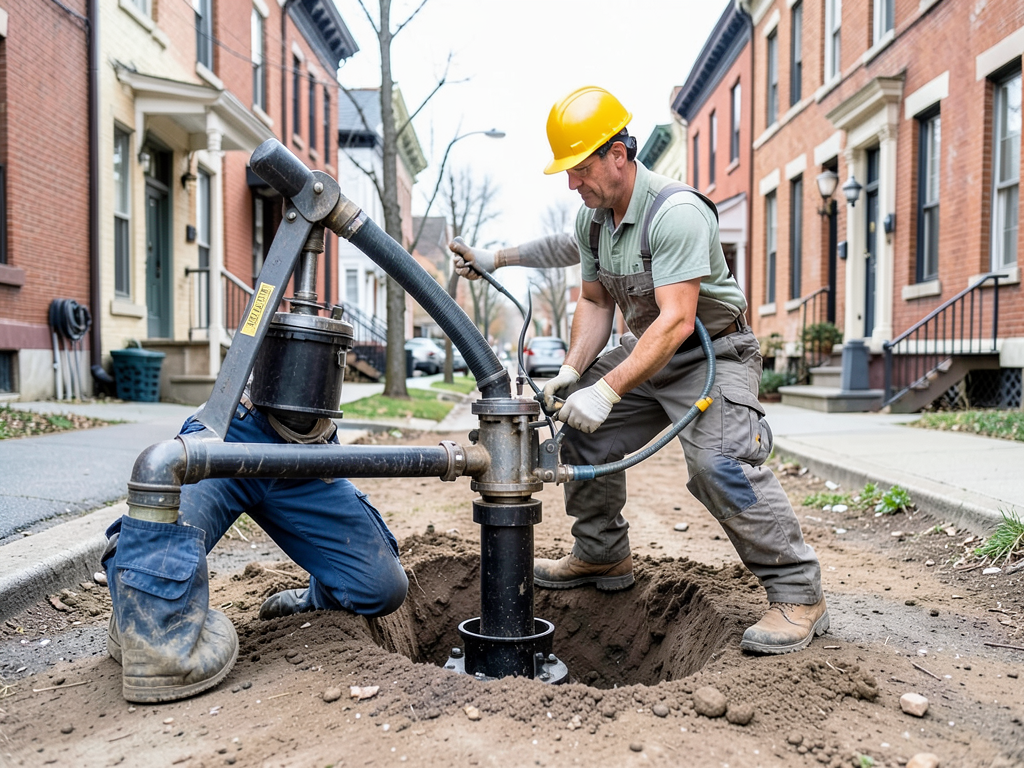
Trenchless Sewer Line Replacement for Richmond Homeowners Who Want to Save Their Yard
When a Richmond homeowner hears their sewer line needs replacement, the first thought is often about the mess—torn-up lawns, destroyed landscaping, and days of heavy equipment in the yard. But modern trenchless technology offers a different path. Instead of digging a trench from your house to the street, trenchless methods repair or replace sewer lines with minimal surface disruption. For Richmond’s historic neighborhoods and established yards, this approach protects your property while solving the problem quickly and effectively. Richmond Department of Public Utilities.
How Trenchless Sewer Repair Works: The No-Dig Solution
Trenchless sewer repair uses advanced equipment to fix pipes without extensive excavation. The process starts with a video camera inspection to locate the problem. From there, two main methods can restore your sewer line. Sewer Line Repairs for Historic Houses in the Museum District.
Cured-in-Place Pipe Lining (CIPP)
CIPP creates a new pipe inside your existing damaged one. Technicians insert a flexible liner saturated with epoxy resin into the damaged pipe. Hot water or steam then cures the resin, forming a seamless, jointless pipe within the old one. The new pipe resists corrosion, tree root intrusion, and leaks for decades. Tankless Water Heater Installation for Modern Homes in Short Pump.
Pipe Bursting Technology
Pipe bursting works when the old pipe is too damaged for lining. A bursting head breaks apart the old pipe while simultaneously pulling a new high-density polyethylene pipe into place. The fragments stay in the surrounding soil, and the new pipe is stronger than the original.
Sewer Camera Inspection: The First Step
Before any repair begins, a waterproof camera travels through your sewer line. The camera shows exactly where cracks, breaks, or blockages occur. This diagnostic step ensures the right repair method is chosen and eliminates guesswork. For Richmond homes with older clay or cast iron pipes, this inspection often reveals tree root intrusion or pipe separation at the joints—common issues in our area’s mature neighborhoods. Fixing Main Line Sewer Backups in Bon Air Neighborhoods.
Benefits for Richmond Homeowners
Trenchless repair offers several advantages over traditional excavation, especially in Richmond’s unique environment. Plumbing Richmond.
Cost-effectiveness vs. Traditional Excavation
While trenchless methods may have a higher upfront cost per foot, they often cost less overall. Traditional excavation requires removing landscaping, repairing driveways, and restoring yards—expenses that add up quickly. Trenchless repairs typically complete in one day with minimal restoration needed.
Timeframe and Convenience
Most trenchless repairs finish within 24-48 hours, compared to several days for traditional methods. Your yard remains usable, and you avoid the noise and disruption of heavy machinery operating for extended periods.
50+ Year Lifespan of Epoxy Liners
The epoxy resin used in CIPP lining creates a pipe within a pipe that resists corrosion and chemical damage. This new pipe often exceeds the lifespan of the original, providing long-term peace of mind.
Richmond-Specific Considerations for Trenchless Repair
Richmond’s unique conditions affect trenchless repair decisions. The city’s expansive red clay soil, common in older neighborhoods, can shift and cause pipes to separate at the joints. Trenchless methods work well here because they don’t disturb the surrounding soil as much as excavation.
Historic districts like The Fan and Museum District have strict preservation guidelines. Trenchless repair helps maintain these neighborhoods’ character by avoiding damage to mature trees, historic walkways, and period landscaping.
The James River Basin’s high water table in some areas means traditional excavation can create drainage problems. Trenchless methods minimize surface disruption, reducing the risk of water accumulation and soil erosion.
Permitting Through the City of Richmond Department of Public Utilities
Sewer line repairs in Richmond require permits from the Department of Public Utilities. The process ensures repairs meet Virginia Uniform Statewide Building Code (USBC) requirements. Trenchless methods often qualify for expedited permitting because they cause less environmental impact and surface disruption.
Technicians must verify the location of underground utilities before beginning work. Richmond’s combined sewer system in older areas adds complexity, making professional expertise essential.
Comparing Trenchless vs. Traditional Methods
| Factor | Trenchless Repair | Traditional Excavation |
|---|---|---|
| Surface Disruption | Minimal (1-2 small access points) | Extensive (full trench) |
| Completion Time | 1-2 days | 3-7 days |
| Landscape Impact | Preserves mature trees, shrubs | Destroys landscaping |
| Cost Range | $80-$250 per foot | $50-$150 per foot plus restoration |
| Best For | Historic homes, established yards | Open lots, new construction |
Common Sewer Line Problems in Richmond
Richmond’s older neighborhoods face specific sewer line challenges. Homes built before 1970 often have clay pipes that crack and separate at the joints. Tree roots seek water sources and commonly invade these older pipes through tiny cracks.
Richmond’s freeze-thaw cycles cause soil movement that shifts pipes out of alignment. When pipes separate, sewage leaks into the surrounding soil, creating sinkholes and foul odors.
The city’s combined sewer system in older areas means stormwater and sewage share pipes. During heavy rains, this system can back up, putting stress on already damaged sewer lines.
The Trenchless Repair Process Step by Step
- Initial Camera Inspection
A waterproof camera travels through the sewer line, identifying damage locations, pipe material, and the extent of deterioration. This step determines if trenchless repair is viable.
- Hydro-jetting Preparation
High-pressure water jets clean the pipe interior, removing grease, scale, and debris. Clean surfaces ensure proper epoxy adhesion for lining or clear the path for pipe bursting.
- Method Selection
Based on inspection results, technicians choose between CIPP lining for minor damage or pipe bursting for severely deteriorated pipes.
- Access Point Creation
Technicians dig one or two small access pits, typically 4×6 feet, to insert equipment. This replaces the need for a continuous trench.
- Repair Execution
For CIPP, the liner inserts and cures. For pipe bursting, the bursting head breaks the old pipe while pulling the new pipe through.
- Final Camera Inspection
A second camera inspection verifies the repair quality and ensures proper flow through the restored line.
Financing Options and Local Rebate Programs
Several financing options exist for Richmond homeowners. Many plumbing companies offer payment plans, and some work with third-party financing companies to spread costs over time. Who to Call for a 24-Hour Plumbing Emergency in Downtown Richmond.
The City of Richmond occasionally offers stormwater management fee credits for infrastructure improvements that reduce runoff. While sewer line repairs don’t typically qualify, related drainage improvements might.
Homeowners insurance rarely covers sewer line replacement unless damage results from a covered peril like a fallen tree. However, some policies offer optional sewer backup coverage that can help with related damages.
Decision Matrix: Choosing Between CIPP and Pipe Bursting
| Factor | CIPP Lining Best If: | Pipe Bursting Best If: |
|---|---|---|
| Pipe Condition | Cracks, minor separations, tree root intrusion | Severely deteriorated, collapsed, or misaligned |
| Existing Pipe Material | Clay, cast iron with structural integrity | Any material with extensive damage |
| Desired Outcome | Seal leaks, prevent root intrusion | Increase pipe diameter, replace completely |
| Cost Consideration | Generally lower cost for minor damage | Higher cost but complete replacement |
| Richmond Specific | Works well with clay pipes common here | Better for 100-year-old pipes needing full replacement |
Why Richmond’s Soil Matters for Trenchless Repair
Richmond sits on expansive red clay soil that expands when wet and contracts when dry. This movement causes pipes to separate at the joints, especially in older clay pipe systems. Trenchless methods work well here because they don’t disturb the surrounding soil structure as much as traditional excavation.
The clay soil also holds moisture, which can accelerate corrosion in metal pipes. CIPP lining creates a barrier between the pipe and soil, preventing further corrosion and extending the system’s life.
Protecting Richmond’s Watershed Through Trenchless Technology
Leaking sewer lines contaminate soil and groundwater, eventually affecting the James River and its tributaries. Trenchless repair seals leaks quickly, preventing sewage from entering the water table.
Traditional excavation can create runoff during rainy periods, carrying soil and contaminants into storm drains. Trenchless methods minimize this risk by keeping soil disturbance to a minimum.
Frequently Asked Questions
How long does trenchless sewer repair last?
Properly installed CIPP lining typically lasts 50+ years. The epoxy resin creates a jointless pipe that resists corrosion, tree roots, and chemical damage better than the original pipe.
Will trenchless repair damage my landscaping?
Trenchless methods preserve most landscaping. Only small access pits need digging, usually 4×6 feet each. Mature trees, shrubs, and established lawns remain intact.
How much does trenchless sewer repair cost in Richmond?
Costs vary based on pipe length, damage extent, and method chosen. Most Richmond homeowners pay between $80-$250 per foot. A free inspection provides accurate pricing for your specific situation.
Do I need permits for trenchless sewer repair?
Yes. Richmond requires permits from the Department of Public Utilities. Professional trenchless repair companies handle permitting as part of the service.
Can trenchless repair fix all sewer line problems?
Trenchless works for most issues including cracks, separations, tree root intrusion, and minor collapses. Severely collapsed pipes or those with major misalignment may require traditional methods.
Call (804) 602-4944 Today to Schedule Your Inspection
Don’t let a damaged sewer line destroy your Richmond yard. Trenchless technology offers a fast, effective solution that preserves your landscaping and property value. Our experienced technicians understand Richmond’s unique soil conditions, historic neighborhoods, and permitting requirements.
Pick up the phone and call (804) 602-4944 before the next storm hits. A quick camera inspection can identify problems early, potentially saving you thousands in emergency repairs and landscape restoration. Our team serves Richmond, Bon Air, Chester, Glen Allen, and surrounding areas with 24/7 emergency service available. For more information, visit National Association of Sewer Service Companies.
Don’t wait until a small problem becomes a major crisis. Call (804) 602-4944 now to protect your home and yard with trenchless sewer repair technology.
{
“@context”: “https://schema.org”,
“@type”: “BlogPosting”,
“headline”: “Trenchless Sewer Line Replacement for Richmond Homeowners Who Want to Save Their Yard”,
“description”: “Save your Richmond yard with trenchless sewer repair. No-dig solutions for clay pipes and historic homes. Call (804) 602-4944 for fast, local service.”,
“wordCount”: 1607,
“datePublished”: “2026-03-01T12:40:00.000Z”,
“dateModified”: “2026-03-01T12:40:00.000Z”,
“inLanguage”: “en-US”,
“mainEntityOfPage”: {
“@type”: “WebPage”,
“@id”: “https://summitplumbingrichmond.com”
},
“publisher”: {
“@type”: “LocalBusiness”,
“name”: “Summit Plumbing Richmond”,
“url”: “https://summitplumbingrichmond.com”
},
“author”: {
“@type”: “Organization”,
“name”: “Summit Plumbing Richmond”,
“url”: “https://summitplumbingrichmond.com”
},
“image”: {
“@type”: “ImageObject”,
“url”: “https://summitplumbingrichmond.com/wp-content/uploads/2026/03/trenchless-sewer-line-replacement-for-richmond-hom-1.png”
}
}
{
“@context”: “https://schema.org”,
“@type”: “Plumber”,
“name”: “Summit Plumbing Richmond”,
“url”: “https://summitplumbingrichmond.com”,
“address”: {
“@type”: “PostalAddress”,
“addressLocality”: “Richmond”
},
“areaServed”: {
“@type”: “City”,
“name”: “Richmond”
}
}
{
“@context”: “https://schema.org”,
“@type”: “FAQPage”,
“mainEntity”: [
{
“@type”: “Question”,
“name”: “How long does trenchless sewer repair last?”,
“acceptedAnswer”: {
“@type”: “Answer”,
“text”: “Properly installed CIPP lining typically lasts 50+ years. The epoxy resin creates a jointless pipe that resists corrosion, tree roots, and chemical damage better than the original pipe.”
}
},
{
“@type”: “Question”,
“name”: “Will trenchless repair damage my landscaping?”,
“acceptedAnswer”: {
“@type”: “Answer”,
“text”: “Trenchless methods preserve most landscaping. Only small access pits need digging, usually 4×6 feet each. Mature trees, shrubs, and established lawns remain intact.”
}
},
{
“@type”: “Question”,
“name”: “How much does trenchless sewer repair cost in Richmond?”,
“acceptedAnswer”: {
“@type”: “Answer”,
“text”: “Costs vary based on pipe length, damage extent, and method chosen. Most Richmond homeowners pay between $80-$250 per foot. A free inspection provides accurate pricing for your specific situation.”
}
},
{
“@type”: “Question”,
“name”: “Do I need permits for trenchless sewer repair?”,
“acceptedAnswer”: {
“@type”: “Answer”,
“text”: “Yes. Richmond requires permits from the Department of Public Utilities. Professional trenchless repair companies handle permitting as part of the service.”
}
}
]
}
{
“@context”: “https://schema.org”,
“@type”: “HowTo”,
“name”: “Trenchless Sewer Repair Process”,
“step”: [
{
“@type”: “HowToStep”,
“position”: 1,
“name”: “Initial Camera Inspection”,
“text”: “A waterproof camera travels through the sewer line, identifying damage locations, pipe material, and the extent of deterioration. This step determines if trenchless repair is viable.”
},
{
“@type”: “HowToStep”,
“position”: 2,
“name”: “Hydro-jetting Preparation”,
“text”: “High-pressure water jets clean the pipe interior, removing grease, scale, and debris. Clean surfaces ensure proper epoxy adhesion for lining or clear the path for pipe bursting.”
},
{
“@type”: “HowToStep”,
“position”: 3,
“name”: “Method Selection”,
“text”: “Based on inspection results, technicians choose between CIPP lining for minor damage or pipe bursting for severely deteriorated pipes.”
},
{
“@type”: “HowToStep”,
“position”: 4,
“name”: “Access Point Creation”,
“text”: “Technicians dig one or two small access pits, typically 4×6 feet, to insert equipment. This replaces the need for a continuous trench.”
},
{
“@type”: “HowToStep”,
“position”: 5,
“name”: “Repair Execution”,
“text”: “For CIPP, the liner inserts and cures. For pipe bursting, the bursting head breaks the old pipe while pulling the new pipe through.”
},
{
“@type”: “HowToStep”,
“position”: 6,
“name”: “Final Camera Inspection”,
“text”: “A second camera inspection verifies the repair quality and ensures proper flow through the restored line.”
}
],
“image”: “https://summitplumbingrichmond.com/wp-content/uploads/2026/03/trenchless-sewer-line-replacement-for-richmond-hom-1.png”
}
{
“@context”: “https://schema.org”,
“@type”: “BreadcrumbList”,
“itemListElement”: [
{
“@type”: “ListItem”,
“position”: 1,
“name”: “Home”,
“item”: “https://summitplumbingrichmond.com”
},
{
“@type”: “ListItem”,
“position”: 2,
“name”: “Blog”,
“item”: “https://summitplumbingrichmond.com/blog”
},
{
“@type”: “ListItem”,
“position”: 3,
“name”: “Trenchless Sewer Line Replacement for Richmond Homeowners Who Want to Save Their Yard”
}
]
}
{
“@context”: “https://schema.org”,
“@type”: “Service”,
“serviceType”: “Plumbing”,
“provider”: {
“@type”: “LocalBusiness”,
“name”: “Summit Plumbing Richmond”,
“url”: “https://summitplumbingrichmond.com”
},
“areaServed”: {
“@type”: “City”,
“name”: “Richmond”
},
“description”: “Save your Richmond yard with trenchless sewer repair. No-dig solutions for clay pipes and historic homes. Call (804) 602-4944 for fast, local service.”
}