
The Honest Truth About PEX vs Copper Piping for Richmond Area Repipes
Richmond homeowners face a critical decision when repiping their homes. Copper has served Virginia homes for decades. PEX offers modern benefits. The right choice depends on your home’s age, location, and Richmond’s unique water chemistry. Virginia Department of Health water quality standards.
Virginia’s James River water supply contains moderate chloramine levels. These chemicals slowly degrade copper pipes over 20-30 years. PEX resists chemical corrosion. It expands slightly when frozen, preventing burst pipes during Richmond’s occasional polar vortex events. Your home’s plumbing material affects everything from water taste to insurance claims after winter storms. Who to Call for a 24-Hour Plumbing Emergency in Downtown Richmond.
Call (804) 602-4944 today to schedule your inspection and learn which material fits your Richmond home.. Read more about What Richmond Homeowners in Tuckahoe Need to Know About Polybutylene Pipe Failure.
Understanding Richmond’s Water: How It Affects Your Pipes
Richmond’s municipal water comes from the James River. The Virginia Department of Health monitors pH levels between 7.2 and 7.8. This slightly alkaline water seems safe for copper. But chloramine disinfection creates microscopic pitting over decades. Pinhole leaks develop in copper pipes after 15-25 years in Richmond homes. EPA chloramine disinfection guidelines.
Hard water minerals in Chesterfield and Henrico areas create scale buildup inside pipes. This reduces water flow by 30-40% over 20 years. PEX handles mineral deposits better than copper. Scale forms slower on PEX walls. Water pressure remains stronger longer. Tankless Water Heater Installation for Modern Homes in Short Pump.
James River water contains dissolved oxygen. Oxygen accelerates copper corrosion through oxidation. Blue-green stains appear on copper pipes near joints. These stains signal microscopic leaks forming inside walls. PEX contains no metal. Oxygen cannot oxidize cross-linked polyethylene.
Copper Piping: The Traditional Choice for Richmond’s Historic Homes
Copper pipes installed before 2000 dominate Richmond’s Fan District and Museum District. Type L copper handles 200 PSI working pressure. Type M copper costs less but handles only 150 PSI. Both types resist chlorine but fail against Richmond’s chloramine mix.. Read more about 5 Questions You Must Ask Before Hiring a Plumber in the Richmond Area.
Copper conducts heat rapidly. Hot water reaches fixtures 2-3 minutes faster than PEX. But copper also conducts cold. Pipes freeze 15-20 minutes faster than PEX during Virginia cold snaps. This matters in unheated crawlspaces common in Richmond’s older homes.
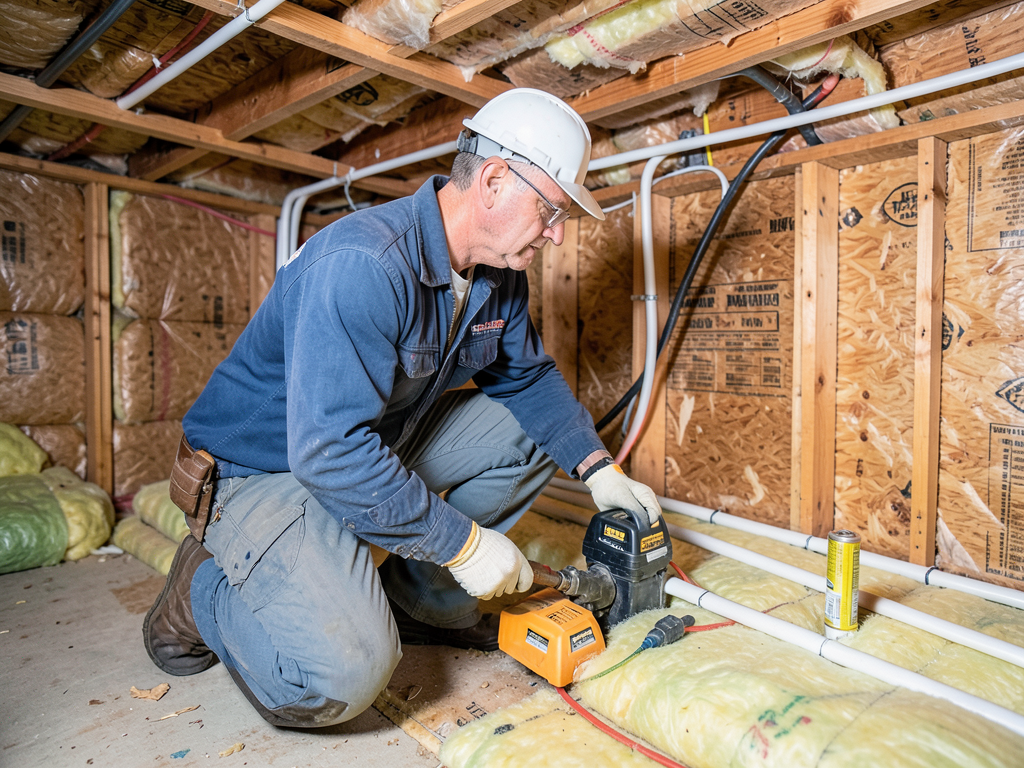
Installation requires open flames. Soldering copper joints releases toxic fumes if moisture contacts hot metal. PEX connections use mechanical fittings or expansion tools. No open flame means safer installation in occupied homes. Copper installation takes 40% longer than PEX for whole-home repipes.
Virginia Uniform Statewide Building Code requires Type L copper for underground water service lines. Type M cannot contact soil. Copper develops green verdigris when buried. This corrosion weakens pipes within 10-15 years. PEX underground needs no corrosion protection.. Read more about Planning the Plumbing and Gas Lines for Your New Outdoor Kitchen in Woodlake.
PEX Piping: The Modern, Freeze-Resistant Alternative
PEX-A offers 500 PSI burst pressure. PEX-B handles 400 PSI. Both exceed typical Richmond water pressure of 60-80 PSI. PEX expands up to 3% when frozen. Copper ruptures at -20°F with no expansion. Richmond’s coldest recorded temperature was -12°F in 1940.
Cross-linked polyethylene resists chemical degradation. Chloramine cannot pit PEX walls. Virginia Tech testing shows PEX maintains flow capacity after 50 years of simulated Richmond water exposure. Copper samples showed 40% flow reduction under identical conditions.
PEX installation requires fewer fittings. One continuous PEX line replaces multiple copper joints. Each eliminated joint removes a potential leak point. Virginia code allows PEX manifold systems. These provide dedicated hot and cold lines to each fixture. No more pressure drops when someone flushes a toilet.
Sound travels differently through materials. Copper pipes transmit water hammer noise through walls. PEX dampens vibrations by 60-70%. Homeowners report quieter plumbing after PEX repipes. This matters in Richmond’s historic homes where pipes run through living spaces. Plumbing Bon Air.
Comparison Table: Cost, Lifespan, and Performance
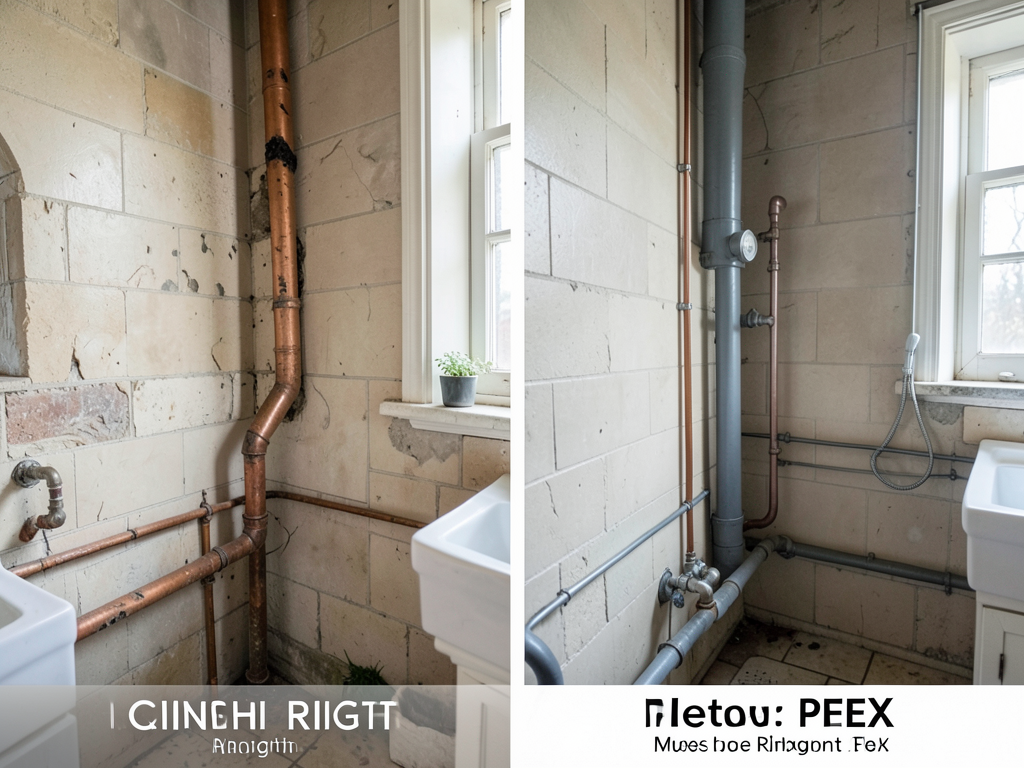
| Feature | Copper | PEX |
|---|---|---|
| Material Cost | $2.50-3.50 per foot | $0.50-1.00 per foot |
| Installation Time | 5-7 days | 2-3 days |
| Lifespan in Richmond | 30-50 years | 50-75 years |
| Freeze Resistance | Ruptures at -20°F | Expands to -40°F |
| Chloramine Resistance | Pitting after 15 years | No degradation |
| Noise Level | High water hammer | Low vibration |
| Insurance Acceptance | Standard coverage | Standard coverage |
Average Cost of Repiping in Richmond (Current Market Rates)
Richmond whole-home repipe costs range from $4,500 to $15,000 in 2026. Copper repipes cost $8,000-15,000 for average 2,000 square foot homes. PEX repipes run $4,500-8,000 for the same homes. Price differences reflect material costs and installation speed.
Historic homes in The Fan require careful routing around original plaster walls. These repipes cost 20-30% more than modern homes. Chesterfield new construction accepts PEX at lower rates. No historic preservation concerns exist in newer neighborhoods.
Permit costs vary by locality. Richmond City permits cost $250-400. Chesterfield permits run $150-250. Henrico permits average $200-350. Permit fees include required inspections. Virginia code mandates pressure testing after installation.
Water damage prevention adds costs. PEX requires less demolition than copper. Fewer walls need opening. This reduces repair costs by $1,000-2,500 on average. Copper’s open-flame installation requires fire watch personnel. This adds $300-500 to copper projects.
The Repiping Process: What to Expect in a Richmond Residence
Initial inspection takes 1-2 hours. Technicians check water pressure, pipe condition, and access points. They map existing plumbing routes. Richmond homes built before 1970 often have galvanized steel supply lines. These require complete replacement, not just repairs. Sewer Line Repairs for Historic Houses in the Museum District.
Material selection follows inspection. PEX suits most Richmond homes built after 1980. Copper fits historic preservation requirements. Some homeowners choose copper for resale value perception. Others pick PEX for lower cost and faster completion.
Preparation begins next. Technicians protect floors with drop cloths. They set up dust barriers in occupied areas. Richmond’s humid climate requires dehumidifiers during work. This prevents mold growth in opened wall cavities.
Installation proceeds room by room. PEX installers work faster. They run continuous lines from manifold to fixtures. Copper installers cut and solder each joint. This creates more dust and requires longer water shutoffs.
Testing follows installation. Technicians pressurize systems to 150% of normal pressure. They check every connection for 24 hours. Richmond code requires passing this test before covering walls. Failed tests mean finding and fixing leaks before proceeding. Fixing Main Line Sewer Backups in Bon Air Neighborhoods.
Final inspection completes the process. Richmond building inspectors verify code compliance. They check support spacing, insulation, and pressure ratings. Passing inspection allows wall closure and fixture installation.
Frequently Asked Questions About Repiping
Can I mix PEX and copper in the same system?
Yes. Virginia code allows transitions between materials. Use dielectric unions where dissimilar metals connect. This prevents galvanic corrosion. Many Richmond homes use copper underground and PEX inside for cost savings.
How long does whole-home repiping take?
PEX repipes complete in 2-3 days. Copper repipes need 5-7 days. Factors affecting time include home size, wall accessibility, and inspection schedules. Richmond inspectors typically visit within 48 hours of request.
Will repiping increase my home’s value?
Repiping often increases resale value by $5,000-10,000. Buyers pay premiums for updated plumbing. Insurance companies may offer lower rates for newer pipes. Some Richmond insurers require pipe replacement after 50 years regardless of material.. Read more about Unique Plumbing Challenges Every Owner of a Historic Ginter Park Home Should Know.
What permits are required in Richmond?
Richmond City requires plumbing permits for whole-home repipes. Chesterfield and Henrico have similar requirements. Permits cost $200-400 depending on project scope. Homeowners cannot pull permits themselves. Licensed plumbers must obtain them.
How do I know if I need repiping?
Low water pressure, frequent leaks, discolored water, and noisy pipes signal repipe needs. Richmond homes built before 1970 with original pipes need inspection. Galvanized steel pipes rust from inside out. They often look fine externally while failing internally.
Call (804) 602-4944 now to schedule your professional inspection. Don’t wait for a pipe burst to force emergency repairs at three times the cost.
{
“@context”: “https://schema.org”,
“@type”: “BlogPosting”,
“headline”: “The Honest Truth About PEX vs Copper Piping for Richmond Area Repipes”,
“description”: “Comparing PEX and copper repiping in Richmond. See cost, lifespan, and freeze resistance for Virginia homes. Call (804) 602-4944 for expert advice.”,
“wordCount”: 1286,
“datePublished”: “2026-03-09T11:56:00.000Z”,
“dateModified”: “2026-03-09T11:56:00.000Z”,
“inLanguage”: “en-US”,
“mainEntityOfPage”: {
“@type”: “WebPage”,
“@id”: “https://summitplumbingrichmond.com”
},
“publisher”: {
“@type”: “LocalBusiness”,
“name”: “Summit Plumbing Richmond”,
“url”: “https://summitplumbingrichmond.com”
},
“author”: {
“@type”: “Organization”,
“name”: “Summit Plumbing Richmond”,
“url”: “https://summitplumbingrichmond.com”
},
“image”: {
“@type”: “ImageObject”,
“url”: “https://summitplumbingrichmond.com/wp-content/uploads/2026/03/the-honest-truth-about-pex-vs-copper-piping-for-ri-1.png”
}
}
{
“@context”: “https://schema.org”,
“@type”: “Plumber”,
“name”: “Summit Plumbing Richmond”,
“url”: “https://summitplumbingrichmond.com”,
“address”: {
“@type”: “PostalAddress”,
“addressLocality”: “Richmond”
},
“areaServed”: {
“@type”: “City”,
“name”: “Richmond”
}
}
{
“@context”: “https://schema.org”,
“@type”: “FAQPage”,
“mainEntity”: [
{
“@type”: “Question”,
“name”: “Can I mix PEX and copper in the same system?”,
“acceptedAnswer”: {
“@type”: “Answer”,
“text”: “Yes. Virginia code allows transitions between materials. Use dielectric unions where dissimilar metals connect. This prevents galvanic corrosion. Many Richmond homes use copper underground and PEX inside for cost savings.”
}
},
{
“@type”: “Question”,
“name”: “How long does whole-home repiping take?”,
“acceptedAnswer”: {
“@type”: “Answer”,
“text”: “PEX repipes complete in 2-3 days. Copper repipes need 5-7 days. Factors affecting time include home size, wall accessibility, and inspection schedules. Richmond inspectors typically visit within 48 hours of request.”
}
},
{
“@type”: “Question”,
“name”: “Will repiping increase my home’s value?”,
“acceptedAnswer”: {
“@type”: “Answer”,
“text”: “Repiping often increases resale value by $5,000-10,000. Buyers pay premiums for updated plumbing. Insurance companies may offer lower rates for newer pipes. Some Richmond insurers require pipe replacement after 50 years regardless of material.”
}
},
{
“@type”: “Question”,
“name”: “What permits are required in Richmond?”,
“acceptedAnswer”: {
“@type”: “Answer”,
“text”: “Richmond City requires plumbing permits for whole-home repipes. Chesterfield and Henrico have similar requirements. Permits cost $200-400 depending on project scope. Homeowners cannot pull permits themselves. Licensed plumbers must obtain them.”
}
},
{
“@type”: “Question”,
“name”: “How do I know if I need repiping?”,
“acceptedAnswer”: {
“@type”: “Answer”,
“text”: “Low water pressure, frequent leaks, discolored water, and noisy pipes signal repipe needs. Richmond homes built before 1970 with original pipes need inspection. Galvanized steel pipes rust from inside out. They often look fine externally while failing internally.”
}
}
]
}
{
“@context”: “https://schema.org”,
“@type”: “BreadcrumbList”,
“itemListElement”: [
{
“@type”: “ListItem”,
“position”: 1,
“name”: “Home”,
“item”: “https://summitplumbingrichmond.com”
},
{
“@type”: “ListItem”,
“position”: 2,
“name”: “Blog”,
“item”: “https://summitplumbingrichmond.com/blog”
},
{
“@type”: “ListItem”,
“position”: 3,
“name”: “The Honest Truth About PEX vs Copper Piping for Richmond Area Repipes”
}
]
}
{
“@context”: “https://schema.org”,
“@type”: “Service”,
“serviceType”: “Plumbing”,
“provider”: {
“@type”: “LocalBusiness”,
“name”: “Summit Plumbing Richmond”,
“url”: “https://summitplumbingrichmond.com”
},
“areaServed”: {
“@type”: “City”,
“name”: “Richmond”
},
“description”: “Comparing PEX and copper repiping in Richmond. See cost, lifespan, and freeze resistance for Virginia homes. Call (804) 602-4944 for expert advice.”
}