
Why Your Jackson Ward Home Smells Like Sewage and How to Fix It
If you’re detecting a foul sewage odor in your Jackson Ward home, you’re dealing with more than just an unpleasant smell. That distinctive rotten egg or sewer gas odor signals a potentially serious plumbing issue that could affect your health and home. In Richmond’s historic Jackson Ward neighborhood, where many homes date back to the late 1800s, these problems are surprisingly common due to aging infrastructure and unique architectural features. Who to Call for a 24-Hour Plumbing Emergency in Downtown Richmond.
Sewer gas contains methane, hydrogen sulfide, and other harmful compounds that can cause headaches, nausea, and even pose explosion risks in extreme cases. The good news is that most sewer smell issues have identifiable causes and straightforward solutions when addressed by experienced local plumbers who understand Jackson Ward’s specific challenges. Sewer Line Repairs for Historic Houses in the Museum District.
Let’s walk through the most common reasons your historic home might be harboring these dangerous odors and what you can do about them before they escalate into costly damage or health hazards.. Read more about What to Do if Your Historic Museum District Home Still Has Cast Iron Pipes.
Common Causes of Sewer Odors in Jackson Ward Homes
Understanding what’s causing that sewer smell is the first step toward eliminating it. Jackson Ward’s unique combination of historic construction and Richmond’s humid climate creates specific vulnerabilities that newer neighborhoods simply don’t face. Fixing Main Line Sewer Backups in Bon Air Neighborhoods.
Dry P-Traps: The Most Frequent Culprit
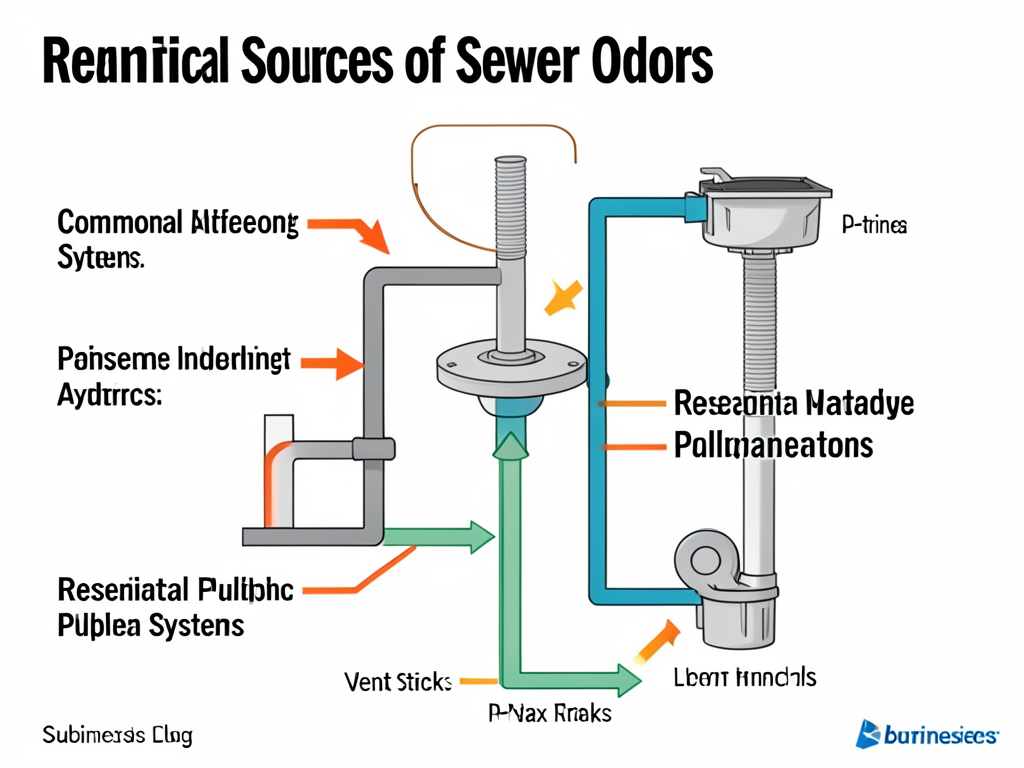
P-traps are the curved pipes under your sinks, showers, and floor drains that hold water to block sewer gases from entering your home. In Jackson Ward’s older homes, these traps can dry out for several reasons: Tankless Water Heater Installation for Modern Homes in Short Pump.
- Infrequent use of guest bathrooms or basement drains
- High evaporation rates during Richmond’s hot, humid summers
- Air pressure changes from HVAC systems in older homes
When a P-trap dries out, there’s nothing stopping those toxic gases from wafting up through your drains. This is especially common in historic homes where plumbing updates may have been minimal over the decades. Plumbing Bon Air.
Damaged Toilet Wax Rings
Older toilets in Jackson Ward homes often have deteriorated wax rings that create a seal between the toilet base and the floor flange. These wax seals can fail due to:
- Natural decomposition over 20-30 years
- Minor foundation settling common in Richmond’s clay soil
- Excessive toilet movement from loose mounting bolts
When the wax ring fails, sewer gases escape directly into your bathroom, creating that unmistakable sewage odor. You might also notice slight rocking when you sit on the toilet.
Blocked or Damaged Vent Stacks
Plumbing vent stacks allow sewer gases to escape through your roof while maintaining proper pressure in your drain system. In Jackson Ward’s tree-lined streets, these vents often become blocked by:
- Fallen leaves accumulating in the vent opening
- Nest-building birds or small animals
- Dirt and debris from Richmond’s frequent storms
When vents are blocked, pressure builds in your drain lines, forcing sewer gases through P-traps and other weak points in your plumbing system.
Aged Clay or Cast Iron Sewer Lines
Many Jackson Ward homes still have original clay or cast iron sewer lines that are now 80-120 years old. These materials deteriorate in specific ways:
- Clay pipes develop cracks and separate at joints
- Cast iron corrodes from the inside out, creating weak spots
- Tree roots infiltrate through tiny openings, causing blockages
Richmond’s expansive clay soil puts additional stress on these aging pipes, causing them to shift and crack over time. The result is sewer gas escaping before it even reaches your main sewer line.
Dried-Out Floor Drains
Basement and utility room floor drains in older homes often go unused for months or years. When the water in their P-traps evaporates, they become direct pathways for sewer gases. This is particularly problematic in Jackson Ward’s older basements where humidity already creates ideal conditions for odor problems.
Health Risks of Sewer Gas Exposure
Before we discuss solutions, it’s important to understand why you shouldn’t ignore that sewage smell. Sewer gas isn’t just unpleasant—it’s potentially dangerous.
Hydrogen sulfide, the compound responsible for that rotten egg smell, can cause:. Read more about Why Your Bellevue Home Smells Like Rotten Eggs Near the Floor Drain.
- Eye and respiratory irritation
- Headaches and dizziness
- Nausea and fatigue
- In high concentrations, asphyxiation
Methane, another major component, is highly flammable and can create explosion hazards in confined spaces. The CDC warns that prolonged exposure to sewer gas can lead to more serious health effects, particularly for children, elderly individuals, and those with respiratory conditions.
If you’re experiencing severe symptoms or the smell is overwhelming, evacuate your home immediately and call for professional help. Your health and safety come first.
DIY Troubleshooting for Jackson Ward Homeowners
Before calling a professional, there are several safe checks you can perform to potentially identify the source of the odor:
- Check Water in P-Traps
Run water in all sinks, showers, and floor drains for 30 seconds each. This refills any dry traps and may immediately solve your problem if evaporation was the cause.
- Inspect Toilet Stability
Gently rock each toilet to check for movement. A toilet that wobbles likely has a failing wax ring that needs replacement.
- Examine Visible Drain Pipes
Look under sinks for any signs of leaks, corrosion, or damage to drain pipes. Pay special attention to joints and connections.
- Check Floor Drain Water Levels
Pour a few cups of water down any floor drains you rarely use. If the water disappears quickly, the trap may be damaged.
- Inspect Roof Vent Stacks
Using binoculars from the ground, check if your plumbing vents appear clear of debris. Never climb onto your roof for this inspection.
If these simple steps don’t resolve the odor within 24 hours, it’s time to call a professional who can perform more advanced diagnostics.
Professional Solutions for Jackson Ward Sewer Issues
When DIY troubleshooting doesn’t solve the problem, professional intervention becomes necessary. Here’s what experienced Richmond plumbers typically do to diagnose and fix sewer odor issues in historic homes:
Video Camera Inspection
Professional plumbers use waterproof cameras to inspect your sewer lines from the inside. This technology allows us to:
- Identify cracks, corrosion, or root intrusion in your pipes
- Locate exact problem areas without destructive digging
- Determine pipe material and age-related deterioration
- Assess the overall condition of your sewer system
For Jackson Ward homes, this inspection is crucial because it reveals problems hidden behind walls or under historic foundations without causing damage to your home’s character.
Smoke Testing for Leak Detection
Smoke testing involves pumping non-toxic smoke into your plumbing system to reveal leaks and ventilation problems. The smoke escapes through any openings, making it easy to identify:
- Cracked pipes or failed joints
- Improperly installed or missing traps
- Blocked vent stacks
- Sewer line breaks under your foundation
This method is particularly effective in older homes where traditional inspection methods might miss hidden problems.
Trenchless Pipe Repair Options
For homes with damaged sewer lines, trenchless technology offers repair solutions that minimize disruption to your historic property: EPA.
| Repair Method | Best For | Advantages for Historic Homes |
|---|---|---|
| Cured-in-Place Pipe Lining (CIPP) | Cracked or corroded pipes | No digging required; preserves landscaping and foundations |
| Pipe Bursting | Completely collapsed pipes | Replaces pipe by breaking old one; minimal surface disruption |
| Spot Repairs | Localized damage | Targets specific problem areas; cost-effective for minor issues |
These methods are ideal for Jackson Ward’s historic district where preserving original landscaping and minimizing structural impact is essential.
Complete System Upgrades
Some older homes require comprehensive plumbing system upgrades to meet modern standards and eliminate persistent odor problems. This might include:
- Replacing all old drain pipes with modern PVC
- Installing proper venting systems
- Adding backwater valves to prevent sewer backups
- Upgrading to water-efficient fixtures that improve trap function
While more extensive, these upgrades often solve multiple problems simultaneously and can increase your home’s value.
Why Jackson Ward Homes Face Unique Plumbing Challenges
Jackson Ward’s distinctive character as one of America’s first historically registered African American neighborhoods means many homes retain their original plumbing systems. This creates specific challenges:
Historic Building Codes and Materials: Homes built before 1950 used materials and construction methods that don’t meet current plumbing standards. Clay pipes, galvanized steel supply lines, and lead solder were common, all of which deteriorate differently than modern materials.
Richmond’s Expansive Clay Soil: The region’s clay soil expands when wet and contracts when dry, putting constant pressure on underground pipes. This movement causes cracks and separations that allow sewer gases to escape.
Combined Sewer System Issues: Parts of Richmond still operate on combined sewer systems where stormwater and sewage share the same pipes. During heavy rains, this can create pressure changes that force gases back into homes through floor drains and other entry points.
Age-Related Deterioration: Most Jackson Ward homes are 80-130 years old, meaning multiple generations of patchwork repairs and updates. These layered repairs can create weak points where gases escape.
Preventing Future Sewer Odor Problems
Once you’ve resolved your current sewer smell issue, prevention becomes key. Here are maintenance strategies specifically suited for Jackson Ward’s historic homes:
Regular Plumbing Maintenance Schedule
Establish a quarterly maintenance routine:
- Run water in all unused drains for 30 seconds
- Check toilet stability and wax ring condition
- Inspect visible pipes under sinks for leaks or corrosion
- Clean roof vent stacks of debris
This simple routine can prevent most sewer odor issues before they start.
Professional Annual Inspections
Schedule a professional plumbing inspection once per year, ideally before Richmond’s humid summer season when odor problems typically worsen. A licensed plumber can identify developing issues before they become emergencies.
Humidity Control Measures
Richmond’s high humidity accelerates pipe corrosion and increases evaporation from P-traps. Consider:
- Using dehumidifiers in basements and crawl spaces
- Installing proper ventilation in bathrooms and utility areas
- Sealing any foundation cracks that allow moisture intrusion
These measures not only prevent sewer odors but also protect your home from mold and moisture damage.
When to Call for Emergency Service
While many sewer odor issues can wait for regular business hours, certain situations require immediate professional attention:
- Strong, sudden sewage odors that appear without explanation
- Multiple drain backups occurring simultaneously
- Visible sewage in floor drains or other unexpected locations
- Health symptoms like severe headaches or nausea affecting household members
- Gas company notifications about potential gas leaks (sewer gas can trigger these alarms)
In these cases, evacuate your home and call for emergency plumbing service immediately. Your health and safety are the top priority.
Cost Considerations for Sewer Odor Repairs
The cost to fix sewer odor issues varies widely depending on the underlying cause and required repairs. Simple fixes like replacing a wax ring or refilling dry traps might cost $150-300, while extensive sewer line repairs can range from $2,000 to $10,000 or more.
For Jackson Ward homeowners, it’s worth noting that some historic preservation grants and tax incentives may be available for essential repairs that maintain your home’s character while updating critical systems like plumbing.
Always get detailed estimates before proceeding with major repairs, and ask about trenchless options that can save money by minimizing property disruption.
Frequently Asked Questions
Is it normal for an old house to smell like sewage sometimes?
No, persistent sewage odors are never normal, even in older homes. While minor odors might occur briefly during heavy rain or when traps dry out, consistent smells indicate a plumbing problem that needs professional attention.. Read more about Natural Ways to Get Rid of Bad Smells in Your Kitchen Sink.
Can I use drain cleaner to fix sewer odors?
Drain cleaners are not effective for sewer odor problems and can actually damage older pipes. Most sewer smells come from issues outside the drain itself, such as broken pipes or failed traps that chemicals cannot reach or repair.
How quickly should I address a sewer smell in my home?
Address sewer odors within 24-48 hours if possible. While not always immediately dangerous, these odors indicate problems that can worsen quickly and pose health risks, especially to children and elderly residents.
Will my homeowner’s insurance cover sewer odor repairs?
Standard policies typically don’t cover normal wear and tear or gradual deterioration. However, if the odor results from a sudden, accidental event like a tree root breaking a pipe, some coverage might apply. Check your specific policy details.
How can I tell if the smell is coming from inside or outside my house?
Try this test: Close all windows and doors, then go outside for 10 minutes. When you return, if the smell is immediately noticeable inside but not detectable outside, the problem is likely inside your home’s plumbing system.
Take Action Today
Sewer odors in your Jackson Ward home aren’t just unpleasant—they’re warning signs of potentially serious plumbing problems that could affect your health and property value. Whether you’re dealing with a minor dry trap or a major sewer line issue, prompt professional attention is essential.
Don’t let that sewage smell linger another day. Call (804) 602-4944 today to schedule a comprehensive plumbing inspection. Our experienced Richmond plumbers understand the unique challenges of historic Jackson Ward homes and can quickly identify and resolve your sewer odor issues.
Pick up the phone and call (804) 602-4944 now. Your home deserves to smell fresh, and your family deserves to breathe easy knowing your plumbing is safe and sound.

You may also find this helpful. Choosing the Best Garbage Disposal for Your Busy Midlothian Household.
{
“@context”: “https://schema.org”,
“@type”: “BlogPosting”,
“headline”: “Why Your Jackson Ward Home Smells Like Sewage and How to Fix It”,
“description”: “Sewer smell in your Jackson Ward home? Learn the common causes, health risks, and local solutions for this urgent plumbing issue in Richmond’s historic district.”,
“wordCount”: 2190,
“datePublished”: “2026-03-21T11:29:00.000Z”,
“dateModified”: “2026-03-21T11:29:00.000Z”,
“inLanguage”: “en-US”,
“mainEntityOfPage”: {
“@type”: “WebPage”,
“@id”: “https://summitplumbingrichmond.com”
},
“publisher”: {
“@type”: “LocalBusiness”,
“name”: “Summit Plumbing Richmond”,
“url”: “https://summitplumbingrichmond.com”
},
“author”: {
“@type”: “Organization”,
“name”: “Summit Plumbing Richmond”,
“url”: “https://summitplumbingrichmond.com”
},
“image”: {
“@type”: “ImageObject”,
“url”: “https://summitplumbingrichmond.com/wp-content/uploads/2026/03/why-your-jackson-ward-home-smells-like-sewage-and-1.png”
}
}
{
“@context”: “https://schema.org”,
“@type”: “Plumber”,
“name”: “Summit Plumbing Richmond”,
“url”: “https://summitplumbingrichmond.com”,
“address”: {
“@type”: “PostalAddress”,
“addressLocality”: “Richmond”
},
“areaServed”: {
“@type”: “City”,
“name”: “Richmond”
}
}
{
“@context”: “https://schema.org”,
“@type”: “FAQPage”,
“mainEntity”: [
{
“@type”: “Question”,
“name”: “Is it normal for an old house to smell like sewage sometimes?”,
“acceptedAnswer”: {
“@type”: “Answer”,
“text”: “No, persistent sewage odors are never normal, even in older homes. While minor odors might occur briefly during heavy rain or when traps dry out, consistent smells indicate a plumbing problem that needs professional attention.”
}
},
{
“@type”: “Question”,
“name”: “Can I use drain cleaner to fix sewer odors?”,
“acceptedAnswer”: {
“@type”: “Answer”,
“text”: “Drain cleaners are not effective for sewer odor problems and can actually damage older pipes. Most sewer smells come from issues outside the drain itself, such as broken pipes or failed traps that chemicals cannot reach or repair.”
}
},
{
“@type”: “Question”,
“name”: “How quickly should I address a sewer smell in my home?”,
“acceptedAnswer”: {
“@type”: “Answer”,
“text”: “Address sewer odors within 24-48 hours if possible. While not always immediately dangerous, these odors indicate problems that can worsen quickly and pose health risks, especially to children and elderly residents.”
}
},
{
“@type”: “Question”,
“name”: “Will my homeowner’s insurance cover sewer odor repairs?”,
“acceptedAnswer”: {
“@type”: “Answer”,
“text”: “Standard policies typically don’t cover normal wear and tear or gradual deterioration. However, if the odor results from a sudden, accidental event like a tree root breaking a pipe, some coverage might apply. Check your specific policy details.”
}
},
{
“@type”: “Question”,
“name”: “How can I tell if the smell is coming from inside or outside my house?”,
“acceptedAnswer”: {
“@type”: “Answer”,
“text”: “Try this test: Close all windows and doors, then go outside for 10 minutes. When you return, if the smell is immediately noticeable inside but not detectable outside, the problem is likely inside your home’s plumbing system.”
}
}
]
}
{
“@context”: “https://schema.org”,
“@type”: “HowTo”,
“name”: “DIY Sewer Smell Troubleshooting”,
“step”: [
{
“@type”: “HowToStep”,
“position”: 1,
“name”: “Check Water in P-Traps”,
“text”: “Run water in all sinks, showers, and floor drains for 30 seconds each. This refills any dry traps and may immediately solve your problem if evaporation was the cause.”
},
{
“@type”: “HowToStep”,
“position”: 2,
“name”: “Inspect Toilet Stability”,
“text”: “Gently rock each toilet to check for movement. A toilet that wobbles likely has a failing wax ring that needs replacement.”
},
{
“@type”: “HowToStep”,
“position”: 3,
“name”: “Examine Visible Drain Pipes”,
“text”: “Look under sinks for any signs of leaks, corrosion, or damage to drain pipes. Pay special attention to joints and connections.”
},
{
“@type”: “HowToStep”,
“position”: 4,
“name”: “Check Floor Drain Water Levels”,
“text”: “Pour a few cups of water down any floor drains you rarely use. If the water disappears quickly, the trap may be damaged.”
},
{
“@type”: “HowToStep”,
“position”: 5,
“name”: “Inspect Roof Vent Stacks”,
“text”: “Using binoculars from the ground, check if your plumbing vents appear clear of debris. Never climb onto your roof for this inspection.”
}
],
“image”: “https://summitplumbingrichmond.com/wp-content/uploads/2026/03/why-your-jackson-ward-home-smells-like-sewage-and-1.png”
}
{
“@context”: “https://schema.org”,
“@type”: “BreadcrumbList”,
“itemListElement”: [
{
“@type”: “ListItem”,
“position”: 1,
“name”: “Home”,
“item”: “https://summitplumbingrichmond.com”
},
{
“@type”: “ListItem”,
“position”: 2,
“name”: “Blog”,
“item”: “https://summitplumbingrichmond.com/blog”
},
{
“@type”: “ListItem”,
“position”: 3,
“name”: “Why Your Jackson Ward Home Smells Like Sewage and How to Fix It”
}
]
}
{
“@context”: “https://schema.org”,
“@type”: “Service”,
“serviceType”: “Plumbing”,
“provider”: {
“@type”: “LocalBusiness”,
“name”: “Summit Plumbing Richmond”,
“url”: “https://summitplumbingrichmond.com”
},
“areaServed”: {
“@type”: “City”,
“name”: “Richmond”
},
“description”: “Sewer smell in your Jackson Ward home? Learn the common causes, health risks, and local solutions for this urgent plumbing issue in Richmond’s historic district.”
}