
Hard water in Richmond could be the hidden cause of your dry skin and dull hair. The James River supplies our city with water that contains high levels of dissolved minerals, particularly calcium and magnesium. These minerals create the telltale signs of hard water that many Richmond residents notice but may not connect to their water supply. Tankless Water Heater Installation for Modern Homes in Short Pump.
When you shower in hard water, the calcium and magnesium react with soap to form a sticky residue that clings to your skin and hair. This residue blocks pores, strips natural oils, and leaves your hair feeling rough and lifeless. The white chalky buildup you see on your faucets is the same mineral scale coating your showerhead and plumbing fixtures. Who to Call for a 24-Hour Plumbing Emergency in Downtown Richmond.
Richmond’s water hardness typically ranges from 7 to 11 grains per gallon, which falls into the “moderately hard” to “hard” category. This means the water contains 120 to 180 milligrams of calcium carbonate per liter. The Piedmont region’s natural geology contributes to these mineral levels as water travels through limestone and other rock formations before reaching our treatment facilities. Plumbing Richmond.
The effects go beyond personal discomfort. Hard water reduces the effectiveness of soaps and shampoos, forcing you to use more products. It leaves spots on dishes and glassware, makes laundry feel stiff and scratchy, and creates scale buildup inside your pipes and water heater. Over time, this scale reduces water flow and forces your appliances to work harder, shortening their lifespan.. Read more about Why Your Water Heater is Making a Popping Noise and Is It Dangerous?.
Understanding how Richmond’s specific water quality affects your daily life is the first step toward finding solutions that work for your home and family.. Read more about Why the Water Pressure in Your Showerhead is Suddenly Low.
Identifying Hard Water in Your Richmond Home
Several clear signs indicate you have hard water in your Richmond home. These symptoms appear consistently across different neighborhoods, from the Fan District to Midlothian, though mineral levels can vary slightly by location.
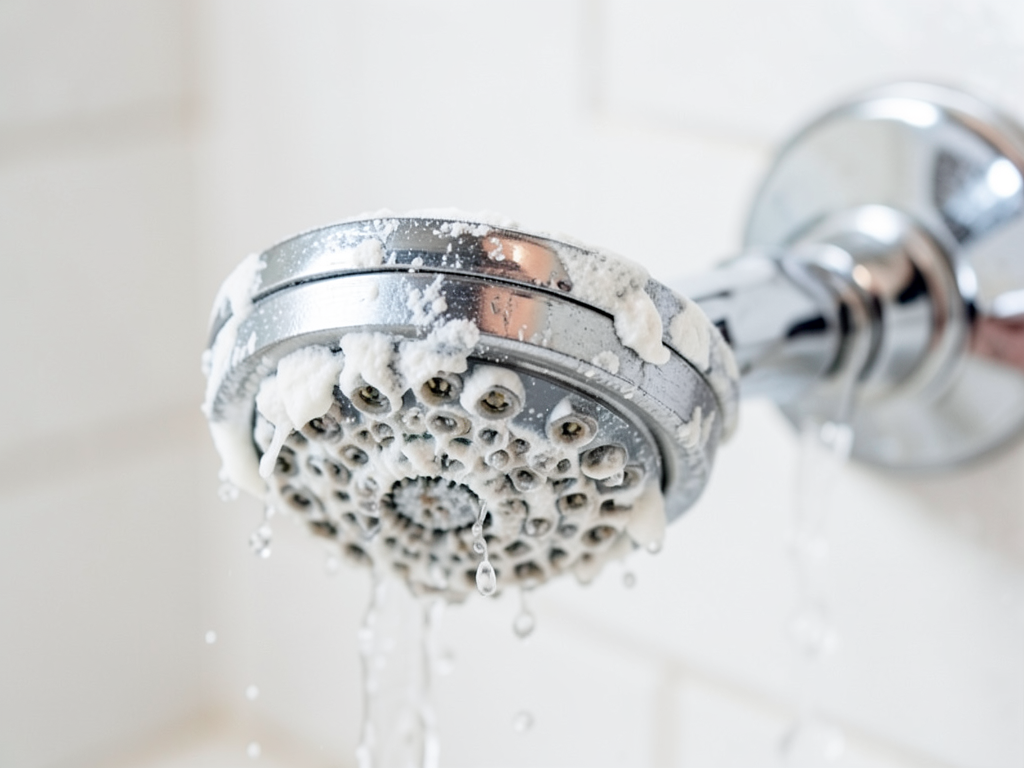
White chalky buildup on faucets and showerheads is the most visible sign. This limescale forms when hard water evaporates, leaving behind calcium and magnesium deposits. You might notice this crusty white or grayish film on fixtures, especially around the base of faucets and inside showerheads where water sprays out.. Read more about A Guide to Modern Faucet Finishes That Hold Up Against Richmond Hard Water.
Dry, itchy skin and dull hair after showering are common complaints among Richmond residents. The mineral film left on your skin prevents moisturizers from absorbing properly. Your hair may feel rough, look dull, or become more prone to tangling because the mineral scale prevents conditioner from working effectively.
Cloudy glassware and spots on dishes persist even after thorough washing. Hard water minerals prevent soap from rinsing away completely, leaving behind spots and a cloudy film. You might notice this most on clear glass items and stainless steel flatware.
Reduced water pressure can indicate hard water problems inside your plumbing. Mineral scale builds up inside pipes over time, narrowing the passage for water flow. This gradual reduction in pressure often goes unnoticed until it becomes significant. Plumbing Bon Air.
Your clothes may feel stiff or look dingy after washing. Hard water prevents laundry detergent from dissolving completely and rinsing away. This leaves soap residue in fabric fibers, making clothes feel rough and colors appear faded.
Testing your water confirms whether you have hard water. You can use simple soap tests at home by shaking water and dish soap in a clear bottle. If the water remains cloudy with few suds, you likely have hard water. Professional testing provides exact mineral levels and helps determine the best treatment options for your specific situation.
Richmond Water Quality Data and Grains Per Gallon
Understanding Richmond’s specific water hardness levels helps you make informed decisions about treatment. The Richmond Department of Public Utilities publishes annual water quality reports that detail mineral content across different service areas. EPA Ground Water and Drinking Water.
Richmond’s water typically measures between 7 and 11 grains per gallon (GPG) of hardness. One grain per gallon equals 17.1 milligrams of calcium carbonate per liter. This puts Richmond in the moderately hard to hard water category according to standard classifications.
The James River serves as Richmond’s primary water source, flowing through limestone-rich areas that contribute calcium and magnesium to the water supply. Water treatment plants remove contaminants but do not remove dissolved minerals that cause hardness.
Different neighborhoods may experience slightly different hardness levels. Areas closer to the treatment plants might have slightly different mineral content than those at the outer edges of the distribution system. The Fan District, Museum District, and areas near the James River often show consistent hardness levels around 9 GPG.
Comparing hardness levels helps you understand what you’re dealing with. Water is classified as soft at 0-3.5 GPG, moderately hard at 3.5-7 GPG, hard at 7-10.5 GPG, and very hard above 10.5 GPG. Richmond’s 7-11 GPG range means most homes need some form of water treatment for optimal results.
Parts per million (PPM) provides another way to measure hardness. Richmond’s water typically contains 120-180 PPM of calcium carbonate. This measurement helps when comparing products and treatment systems that may list specifications in either GPG or PPM.
Professional water testing reveals exact mineral composition. A licensed plumber can test your water and provide recommendations based on your specific hardness level, household size, and plumbing configuration. This testing also checks for other water quality issues that might affect your home.
| Hardness Level | Grains Per Gallon | Parts Per Million | Richmond Classification |
|---|---|---|---|
| Soft | 0-3.5 | 0-60 | Below Richmond Average |
| Moderately Hard | 3.5-7 | 60-120 | Borderline Richmond |
| Hard | 7-10.5 | 120-180 | Typical Richmond Range |
| Very Hard | 10.5+ | 180+ | Some Richmond Areas |
Long-Term Impact on Local Plumbing Systems
Hard water creates cumulative damage to plumbing systems throughout Richmond homes. The mineral scale that affects your skin and hair also builds up inside pipes, water heaters, and appliances, reducing efficiency and causing premature failure.
Traditional tank water heaters in Richmond homes suffer significant efficiency losses from hard water scale. The heating elements become coated with mineral deposits, requiring more energy to heat water to the desired temperature. This scale buildup can reduce efficiency by 20-30% over time.
Tankless water heaters, increasingly popular in newer Richmond developments, face unique challenges with hard water. These systems heat water instantly as it flows through narrow passages. Mineral scale quickly clogs these passages, reducing flow rates and causing the unit to work harder. Some tankless models include scale detection that shuts down the unit when buildup becomes excessive.
High-end appliances common in Richmond renovations experience shortened lifespans due to hard water. Bosch dishwashers, KitchenAid refrigerators with water dispensers, and other premium appliances contain sensitive components that scale can damage. The cost of premature replacement often exceeds water treatment system installation.
Pipe scaling creates the most expensive hard water damage. Calcium and magnesium deposits gradually narrow pipe diameters, reducing water pressure throughout the home. In severe cases, pipes become completely blocked, requiring replacement of sections or entire plumbing runs. This is particularly problematic in Richmond’s older homes with original plumbing.
Water-using appliances work harder with hard water, consuming more energy and wearing out faster. Washing machines require longer cycles to clean clothes effectively. Dishwashers leave spots and may need additional rinse cycles. Coffee makers and ice machines develop scale that affects taste and performance.
The Virginia Uniform Statewide Building Code (USBC) requires proper installation of water treatment systems when they affect plumbing modifications. Any changes to your home’s water system must comply with local permit requirements in Henrico, Chesterfield, and Richmond City.
Insurance may not cover damage from hard water scale, considering it a maintenance issue rather than sudden damage. This means homeowners bear the full cost of replacing scaled pipes or failed appliances. Preventive treatment often proves more economical than emergency repairs. Sewer Line Repairs for Historic Houses in the Museum District.

Solutions: From Testing to Water Softener Installation
Professional water testing provides the foundation for effective hard water treatment. A licensed plumber can measure exact mineral levels, identify other water quality issues, and recommend solutions tailored to your Richmond home’s specific needs.
Home testing kits offer a starting point but lack the precision of professional analysis. These kits typically use test strips that change color based on mineral content. While useful for initial screening, they cannot detect other water quality factors that affect treatment effectiveness.
Salt-based water softeners remain the most common solution for Richmond homes. These systems use ion exchange to replace calcium and magnesium ions with sodium or potassium ions. The process removes hardness minerals before water enters your home’s plumbing system.
Salt-free water conditioners provide an alternative for homeowners concerned about sodium intake or environmental impact. These systems don’t remove minerals but change their structure to prevent scale formation. They work well for preventing buildup but don’t provide the same benefits for skin and hair as traditional softeners.
Reverse osmosis systems offer comprehensive water treatment but work best for drinking water rather than whole-house applications. These systems remove minerals, contaminants, and particles through a semipermeable membrane. They provide excellent drinking water quality but require significant maintenance and waste water during operation.
DIY solutions often fail in Richmond’s specific conditions. Inexpensive magnetic devices and electronic scale preventers make bold claims but rarely deliver consistent results. Professional installation ensures proper system sizing, correct plumbing connections, and compliance with local codes.
System sizing depends on household water usage, hardness level, and plumbing configuration. A family of four using city water at 9 GPG hardness typically needs a softener rated for 32,000 grains of hardness removal. Larger households or higher hardness levels require proportionally larger systems.
Installation considerations include available space, drainage requirements, and electrical access. Water softeners need a place to drain brine solution during regeneration cycles. They also require electrical power for control valves and timers. Professional installers can evaluate your home’s configuration to determine optimal placement.
Maintenance requirements vary by system type. Traditional softeners need regular salt replenishment and occasional cleaning. Salt-free conditioners require less frequent maintenance but may need media replacement every few years. Professional service contracts ensure systems operate efficiently and address issues before they cause problems.
Cost considerations extend beyond initial purchase price. Operating costs include salt or filter replacements, electricity, and water used during regeneration cycles. Professional installation typically costs more upfront but includes proper setup, code compliance, and warranty protection.
Choosing the Right Water Treatment for Your Richmond Home
Selecting appropriate water treatment requires understanding your specific needs and local conditions. Richmond’s water quality, home age, and household preferences all influence the best solution for your situation.
Older Richmond homes with original plumbing may benefit more from traditional softeners that remove minerals entirely. The existing pipes likely already have scale buildup, and removing hardness prevents further accumulation. This approach protects the entire plumbing system from additional damage.
Newer homes with modern PEX plumbing might do well with salt-free conditioners that prevent new scale formation without removing existing deposits. PEX pipes resist scale buildup better than older materials, making prevention more practical than removal.
Household size affects system selection. Larger families use more water, requiring higher-capacity treatment systems. A system too small for your household will regenerate frequently, wasting salt and water while providing inadequate treatment.
Water usage patterns matter when choosing treatment systems. Homes with high water consumption need systems that regenerate efficiently without interrupting supply. Some advanced softeners include twin-tank designs that provide continuous soft water even during regeneration cycles.
Environmental considerations influence treatment choices. Traditional softeners discharge brine during regeneration, which some municipalities regulate due to environmental concerns. Salt-free systems avoid this issue but may not provide the same level of hardness removal.
Budget constraints affect both initial costs and long-term expenses. Traditional softeners cost less upfront but require ongoing salt purchases. Salt-free systems cost more initially but have lower operating costs. Professional analysis helps balance these factors based on your specific situation.
Space availability impacts installation options. Traditional softeners require space for the resin tank, brine tank, and control valve. Some Richmond homes, particularly in older neighborhoods, may have limited utility room space. Compact systems or alternative configurations might be necessary.
Local water quality variations across Richmond affect treatment effectiveness. Areas near the James River might have different mineral profiles than those in western Henrico or eastern Chesterfield. Professional testing accounts for these variations when recommending systems.
Warranty and service considerations influence long-term satisfaction. Quality systems include comprehensive warranties covering parts and labor. Professional installation ensures warranty validity and provides ongoing support for maintenance and repairs.
Professional consultation helps navigate these decisions. A licensed plumber familiar with Richmond’s water conditions can evaluate your home, test your water, and recommend solutions that balance effectiveness, cost, and practicality for your specific situation.
Professional Installation and Maintenance
Professional installation ensures your water treatment system operates correctly and complies with all local requirements. The Virginia Uniform Statewide Building Code (USBC) and local permit requirements in Richmond, Henrico, and Chesterfield govern plumbing modifications.
Professional installers evaluate your home’s plumbing configuration, water pressure, and space constraints before recommending installation locations. They ensure proper connections to existing pipes, adequate drainage for regeneration cycles, and safe electrical connections for control systems.
Code compliance protects you from potential issues during home inspections or future sales. Professional installers understand local requirements and obtain necessary permits before beginning work. This documentation proves your system was installed correctly and meets all safety standards.
System startup includes programming control valves for your specific water conditions. Professionals calibrate regeneration cycles based on your water hardness, household usage patterns, and system capacity. This optimization reduces operating costs while ensuring consistent water quality.
Initial testing verifies proper system operation. Professionals check for leaks, verify water pressure, and test treated water quality. They also provide instruction on system operation, maintenance requirements, and troubleshooting common issues.
Maintenance agreements provide ongoing protection for your investment. Professional service includes regular inspections, performance testing, and preventive maintenance. This proactive approach catches potential problems before they cause system failures or water quality issues.
Emergency service availability matters when systems malfunction. Professional installers typically offer priority service for their installations, often with 24-hour availability for critical issues. This rapid response minimizes disruption to your household water supply.
System upgrades become necessary as technology advances or household needs change. Professional service providers stay current with new treatment technologies and can recommend upgrades that improve efficiency or address changing water quality conditions.
Water quality monitoring ensures continued effectiveness. Professional testing every six to twelve months verifies your system maintains proper hardness removal. This testing also checks for other water quality changes that might require system adjustments.
Cost factors include installation, ongoing maintenance, and potential repairs. Professional service typically costs more upfront but includes expertise, warranty protection, and ongoing support that often saves money over the system’s lifetime.
Professional relationships provide valuable resources for future home improvements. Your water treatment professional can advise on related plumbing projects, recommend complementary systems, and provide references for other home services when needed.
Frequently Asked Questions
How can I test my water for hardness at home?
You can use soap test kits that measure suds formation in hard water. Fill a clear bottle with tap water, add a few drops of dish soap, and shake vigorously. If the water remains cloudy with few suds, you likely have hard water. Professional testing provides exact mineral levels.
Will a water softener make my water taste salty?
Properly installed water softeners add minimal sodium to your water. The amount is typically less than what’s found in a slice of bread. If you’re concerned about sodium intake, you can install a reverse osmosis system for drinking water or use potassium chloride instead of sodium chloride in your softener.
How long does water softener installation take?
Professional installation typically takes 2-4 hours for a standard whole-house system. Complex installations involving significant plumbing modifications may take longer. The process includes system setup, programming, testing, and cleanup.
Can I install a water softener myself?
While DIY installation is possible, professional installation ensures proper sizing, correct plumbing connections, code compliance, and warranty protection. Professional installers also handle drainage requirements and electrical connections safely. DIY mistakes can cause leaks, water damage, or system failure.
How often should I service my water softener?
Basic maintenance like adding salt should be done monthly. Professional servicing is recommended annually to check system performance, clean components, and test water quality. Some systems may need more frequent service depending on water usage and local conditions.
Will soft water damage my plants or lawn?
Softened water is safe for most plants, but the added sodium can affect salt-sensitive species. For outdoor watering, you can install a bypass valve that provides untreated water to exterior spigots. This preserves your landscape while protecting indoor plumbing.
How much does a water softener cost in Richmond?
Basic water softeners start around $1,200 installed, while high-end systems with advanced features can cost $3,000 or more. Operating costs include salt, electricity, and periodic maintenance. Professional water testing helps determine the right system for your needs and budget.. Read more about How to Choose the Right Filtration System for Well Water in Goochland.
Can hard water cause plumbing leaks?
Hard water itself doesn’t cause leaks, but the scale buildup it creates can lead to problems. Scale narrows pipe passages, increasing water pressure and stress on pipe joints. Over time, this can contribute to leaks, especially in older plumbing systems.
Hard water affects every Richmond home differently, but the symptoms are consistent: dry skin, dull hair, scale buildup, and appliance damage. Understanding your specific water quality helps you choose the right treatment solution for your home and family.
Professional water testing reveals exactly what’s in your water and how it affects your plumbing system. This information guides decisions about treatment options, system sizing, and installation requirements. Without proper testing, you might invest in the wrong solution or miss other water quality issues.
The cost of hard water extends beyond personal discomfort. Scale buildup in pipes and appliances reduces efficiency, increases energy costs, and leads to premature replacement. A quality water treatment system often pays for itself through these savings over time.
Richmond’s specific water conditions require solutions designed for local mineral levels and plumbing configurations. Generic systems may not provide adequate treatment or could waste resources through excessive regeneration cycles. Professional installation ensures your system matches your home’s needs.
Don’t let hard water continue damaging your skin, hair, and plumbing. Call (804) 602-4944 today to schedule your water quality test. Our experienced technicians understand Richmond’s specific water challenges and can recommend solutions that protect your home and improve your daily comfort. Pick up the phone and call (804) 602-4944 before the next scale buildup causes expensive plumbing damage. For more information, visit NSF International.
{
“@context”: “https://schema.org”,
“@type”: “BlogPosting”,
“headline”: “How the Hard Water in Richmond Might Be Ruining Your Hair and Skin”,
“description”: “Discover how Richmond’s hard water affects your hair and skin. Learn about local mineral levels, symptoms, and professional solutions from Summit Plumbing.”,
“wordCount”: 3096,
“datePublished”: “2026-03-27T09:16:00.000Z”,
“dateModified”: “2026-03-27T09:16:00.000Z”,
“inLanguage”: “en-US”,
“mainEntityOfPage”: {
“@type”: “WebPage”,
“@id”: “https://summitplumbingrichmond.com”
},
“publisher”: {
“@type”: “LocalBusiness”,
“name”: “Summit Plumbing Richmond”,
“url”: “https://summitplumbingrichmond.com”
},
“author”: {
“@type”: “Organization”,
“name”: “Summit Plumbing Richmond”,
“url”: “https://summitplumbingrichmond.com”
},
“image”: {
“@type”: “ImageObject”,
“url”: “https://summitplumbingrichmond.com/wp-content/uploads/2026/03/how-the-hard-water-in-richmond-might-be-ruining-yo-1.png”
}
}
{
“@context”: “https://schema.org”,
“@type”: “Plumber”,
“name”: “Summit Plumbing Richmond”,
“url”: “https://summitplumbingrichmond.com”,
“address”: {
“@type”: “PostalAddress”,
“addressLocality”: “Richmond”
},
“areaServed”: {
“@type”: “City”,
“name”: “Richmond”
}
}
{
“@context”: “https://schema.org”,
“@type”: “FAQPage”,
“mainEntity”: [
{
“@type”: “Question”,
“name”: “How can I test my water for hardness at home?”,
“acceptedAnswer”: {
“@type”: “Answer”,
“text”: “You can use soap test kits that measure suds formation in hard water. Fill a clear bottle with tap water, add a few drops of dish soap, and shake vigorously. If the water remains cloudy with few suds, you likely have hard water. Professional testing provides exact mineral levels.”
}
},
{
“@type”: “Question”,
“name”: “Will a water softener make my water taste salty?”,
“acceptedAnswer”: {
“@type”: “Answer”,
“text”: “Properly installed water softeners add minimal sodium to your water. The amount is typically less than what’s found in a slice of bread. If you’re concerned about sodium intake, you can install a reverse osmosis system for drinking water or use potassium chloride instead of sodium chloride in your softener.”
}
},
{
“@type”: “Question”,
“name”: “How long does water softener installation take?”,
“acceptedAnswer”: {
“@type”: “Answer”,
“text”: “Professional installation typically takes 2-4 hours for a standard whole-house system. Complex installations involving significant plumbing modifications may take longer. The process includes system setup, programming, testing, and cleanup.”
}
},
{
“@type”: “Question”,
“name”: “Can I install a water softener myself?”,
“acceptedAnswer”: {
“@type”: “Answer”,
“text”: “While DIY installation is possible, professional installation ensures proper sizing, correct plumbing connections, code compliance, and warranty protection. Professional installers also handle drainage requirements and electrical connections safely. DIY mistakes can cause leaks, water damage, or system failure.”
}
},
{
“@type”: “Question”,
“name”: “How often should I service my water softener?”,
“acceptedAnswer”: {
“@type”: “Answer”,
“text”: “Basic maintenance like adding salt should be done monthly. Professional servicing is recommended annually to check system performance, clean components, and test water quality. Some systems may need more frequent service depending on water usage and local conditions.”
}
},
{
“@type”: “Question”,
“name”: “Will soft water damage my plants or lawn?”,
“acceptedAnswer”: {
“@type”: “Answer”,
“text”: “Softened water is safe for most plants, but the added sodium can affect salt-sensitive species. For outdoor watering, you can install a bypass valve that provides untreated water to exterior spigots. This preserves your landscape while protecting indoor plumbing.”
}
},
{
“@type”: “Question”,
“name”: “How much does a water softener cost in Richmond?”,
“acceptedAnswer”: {
“@type”: “Answer”,
“text”: “Basic water softeners start around $1,200 installed, while high-end systems with advanced features can cost $3,000 or more. Operating costs include salt, electricity, and periodic maintenance. Professional water testing helps determine the right system for your needs and budget.”
}
},
{
“@type”: “Question”,
“name”: “Can hard water cause plumbing leaks?”,
“acceptedAnswer”: {
“@type”: “Answer”,
“text”: “Hard water itself doesn’t cause leaks, but the scale buildup it creates can lead to problems. Scale narrows pipe passages, increasing water pressure and stress on pipe joints. Over time, this can contribute to leaks, especially in older plumbing systems.”
}
}
]
}
{
“@context”: “https://schema.org”,
“@type”: “BreadcrumbList”,
“itemListElement”: [
{
“@type”: “ListItem”,
“position”: 1,
“name”: “Home”,
“item”: “https://summitplumbingrichmond.com”
},
{
“@type”: “ListItem”,
“position”: 2,
“name”: “Blog”,
“item”: “https://summitplumbingrichmond.com/blog”
},
{
“@type”: “ListItem”,
“position”: 3,
“name”: “How the Hard Water in Richmond Might Be Ruining Your Hair and Skin”
}
]
}
{
“@context”: “https://schema.org”,
“@type”: “Service”,
“serviceType”: “Plumbing”,
“provider”: {
“@type”: “LocalBusiness”,
“name”: “Summit Plumbing Richmond”,
“url”: “https://summitplumbingrichmond.com”
},
“areaServed”: {
“@type”: “City”,
“name”: “Richmond”
},
“description”: “Discover how Richmond’s hard water affects your hair and skin. Learn about local mineral levels, symptoms, and professional solutions from Summit Plumbing.”
}