
Why Your Basement Bathroom Needs a Sewage Ejector Pump in Short Pump
Adding a bathroom to your Short Pump basement requires specialized plumbing equipment because gravity cannot move waste from below-grade fixtures to your main sewer line. A sewage ejector pump system becomes essential when your bathroom sits lower than the point where waste exits your home. Without this critical component, wastewater backs up into your fixtures creating health hazards and property damage. Who to Call for a 24-Hour Plumbing Emergency in Downtown Richmond.
Short Pump homeowners face unique challenges due to the area’s expanding suburban development and varying lot elevations. Many homes in the West End feature finished basements that sit below the municipal sewer connection point. This elevation difference means standard gravity-fed plumbing cannot function properly. The ejector pump actively lifts wastewater to the main drain line ensuring reliable waste removal from your basement bathroom. Sewer Line Repairs for Historic Houses in the Museum District.
Understanding the specific requirements for Short Pump installations helps you avoid costly mistakes. Henrico County building codes mandate proper venting and discharge line specifications for these systems. The Virginia Uniform Statewide Building Code requires all below-grade plumbing fixtures to connect through approved mechanical means when gravity drainage proves impossible. Virginia Uniform Statewide Building Code.
Short Pump’s soil composition adds another layer of complexity. The area’s clay-rich soil creates drainage challenges that affect both installation and long-term performance. Proper basin sizing and placement become critical factors in system reliability. Local plumbers must account for these geological conditions when designing your ejector pump system.
The investment in proper equipment pays dividends through reliable operation and code compliance. Attempting to bypass these requirements often leads to failed inspections and expensive rework. Professional installation ensures your system meets all Henrico County standards while providing years of trouble-free service.
How Sewage Ejector Systems Work in Short Pump Homes
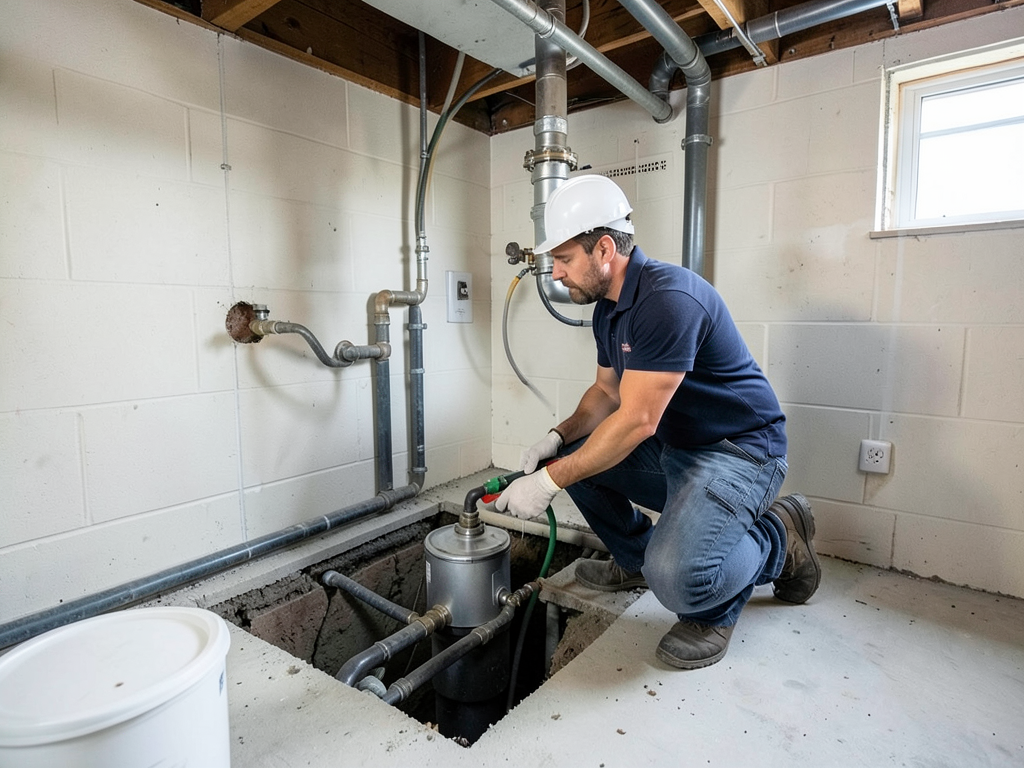
A sewage ejector system consists of three main components working together to move waste from your basement bathroom. The basin collects wastewater from toilets sinks and showers. When waste reaches a specific level a float switch activates the pump motor. The pump then forces wastewater through a discharge pipe up to your main sewer line. Tankless Water Heater Installation for Modern Homes in Short Pump.
The basin installation requires careful planning in Short Pump homes. Local plumbers excavate a pit below your basement floor typically 18 to 30 inches in diameter. The basin depth depends on your bathroom fixtures and expected waste volume. Henrico County code requires basins to hold at least 30 gallons for residential applications.
Discharge line routing presents unique challenges in Short Pump’s suburban layouts. The pipe must maintain proper slope and avoid conflicts with other utilities. Local building codes require discharge lines to be Schedule 40 PVC or equivalent material. The pipe diameter typically measures two inches for standard residential applications.
Venting proves critical for proper system operation. The ejector pit requires a dedicated vent stack that connects to your home’s main plumbing vent. This prevents airlock and allows sewer gases to escape safely. Henrico County inspectors verify vent connections during final inspections to ensure code compliance. Fixing Main Line Sewer Backups in Bon Air Neighborhoods.
Check valves prevent backflow into the basin after pumping cycles complete. These one-way valves stop wastewater from draining back through the discharge line. Quality check valves reduce pump cycling and extend system life. Most Short Pump installations use heavy-duty cast iron or brass check valves for durability.
Henrico County Code Requirements for Basement Plumbing
Henrico County enforces strict regulations for basement bathroom installations. The Virginia Uniform Statewide Building Code Section 3603 mandates mechanical lift stations for fixtures below the main sewer line. Local inspectors require permits before any ejector pump installation begins. These permits ensure your system meets safety and sanitation standards.
Basin sizing follows specific guidelines under local code. Residential ejector pits must hold sufficient capacity to prevent pump short-cycling. The code requires minimum 18-inch diameter basins with depths varying by fixture count. Each additional bathroom fixture increases the required basin volume by approximately five gallons.
Discharge pipe requirements specify minimum slopes and materials. Henrico County mandates 2% minimum slope on horizontal runs. The code also requires Schedule 40 PVC or equivalent material for all ejector discharge lines. Inspectors check pipe supports and cleanouts during final inspections.
Vent stack specifications demand careful attention to detail. The code requires 1.5-inch minimum vent diameter for residential ejector systems. Vent pipes must extend through the roof and terminate at least six inches above the roof surface. Proper venting prevents dangerous sewer gas accumulation in your home.
Electrical requirements add another compliance layer. Ejector pumps need dedicated GFCI-protected circuits. The code mandates weatherproof covers on all electrical connections in damp locations. Local electricians must install these circuits according to National Electrical Code standards.
Common Problems with Failing Ejector Pumps
Recognizing early warning signs helps prevent basement flooding and sewage backups. Foul odors from drains often indicate pump failure or venting issues. These smells suggest wastewater sits in the basin longer than normal. Short Pump homeowners should investigate any persistent sewer gas odors immediately.
Unusual pump noises signal mechanical problems developing. Grinding or rattling sounds indicate bearing wear or impeller damage. These noises often precede complete pump failure by weeks or months. Early detection allows for scheduled replacement rather than emergency service.
Constant cycling wastes energy and accelerates pump wear. This behavior suggests float switch problems or incorrect basin sizing. Short Pump’s clay soil can cause foundation shifts that affect float operation. Regular maintenance helps identify these issues before they cause system failure.
Visible sewage backups in floor drains or fixtures indicate severe problems. This situation creates immediate health hazards requiring emergency service. The backed-up waste often contains harmful bacteria and pathogens. Professional cleanup becomes necessary when sewage enters living spaces.
Age affects all ejector pump systems regardless of maintenance quality. Most residential units last seven to ten years under normal conditions. Short Pump’s high humidity can accelerate corrosion in some components. Planning replacement before complete failure prevents emergency situations.
Comparing Pump Types and Brands for Short Pump Homes
Choosing the right pump involves understanding your specific needs and local conditions. Liberty Pumps offers reliable residential models popular in Short Pump installations. Their LE60 model provides 6000 gallons per hour capacity suitable for most basement bathrooms. The cast iron construction withstands Short Pump’s humidity and temperature variations.
Zoeller pumps represent another trusted brand among local plumbers. The Zoeller 211 model features a durable thermoplastic construction resistant to corrosion. This model handles solids up to 2 inches in diameter making it ideal for toilet waste. Many Short Pump homeowners choose Zoeller for their proven reliability record.
Little Giant pumps provide budget-friendly options without sacrificing quality. Their sewage ejector models offer good performance for smaller applications. The EG series handles typical residential waste loads effectively. Short Pump contractors often recommend these for guest bathroom installations or utility sinks.
Grinder pumps differ from standard ejector pumps in critical ways. Grinder models macerate solids before pumping creating a slurry. This allows smaller discharge pipes and longer pumping distances. However grinder pumps cost more and require more maintenance than standard ejector models.
1/2 horsepower pumps suit most Short Pump basement bathrooms. These units handle typical waste loads while maintaining reasonable energy consumption. Larger 3/4 horsepower models benefit homes with multiple bathroom fixtures or long discharge runs. The extra capacity provides insurance against future additions.
Installation Process and Timeline
Professional installation follows a systematic process ensuring code compliance and reliable operation. The project begins with obtaining necessary permits from Henrico County. This step typically takes three to five business days depending on current permit volume. Your plumber submits detailed plans showing basin location and discharge routing.
Basin excavation marks the physical work’s beginning. Contractors cut through the basement floor using concrete saws. The excavation depth depends on your home’s foundation and sewer line elevation. Short Pump’s clay soil sometimes requires additional digging time due to its density and moisture content.
Pump and piping installation follows excavation completion. Technicians position the basin and connect inlet pipes from your bathroom fixtures. They then install the discharge line routing it to your main sewer connection. This phase typically requires two to three days depending on job complexity.
Electrical connections and testing complete the installation. Licensed electricians install dedicated circuits with proper GFCI protection. Plumbers then test the system by running water through all connected fixtures. They verify proper pump operation and check for leaks at all connections.
Final inspection by Henrico County officials ensures code compliance. Inspectors verify proper venting basin sizing and discharge line installation. They also check electrical connections and GFCI protection. Passing inspection typically occurs within one to two days of completion.
Maintenance Tips for Long-Term Reliability
Regular maintenance extends your ejector pump’s service life significantly. Annual inspections catch developing problems before they cause failures. These checks include testing float switches checking valve operation and inspecting electrical connections. Short Pump homeowners should schedule these inspections before heavy usage seasons.
Cleaning the basin prevents debris buildup that can cause pump damage. Remove any solids that accumulate in the pit during inspections. Avoid using chemical drain cleaners which can damage pump components. Instead use hot water and mild detergents for cleaning.
Testing the alarm system ensures you receive warnings of potential problems. Most ejector systems include high-water alarms that sound when the basin fills abnormally. Test these alarms quarterly by temporarily lifting the float switch. Replace batteries in battery-powered alarms annually.
Monitoring pump cycling patterns helps identify developing issues. Count how many times the pump runs during typical usage periods. Significant changes in cycling frequency suggest problems requiring professional attention. Short Pump’s seasonal temperature changes can affect pump operation patterns.
Keeping the discharge line clear prevents backups and system damage. Avoid planting trees or shrubs near discharge pipes where roots could cause blockages. Periodically check the discharge point for obstructions or freezing in winter months. Clear any debris that accumulates around the outlet.
Cost Factors for Short Pump Installations
Several factors influence the total cost of your ejector pump installation. Basin size requirements vary based on fixture count and expected usage. Larger basins cost more but provide better performance and longer pump life. Short Pump homes with multiple bathroom fixtures need larger capacity systems.
Pump selection affects both initial cost and long-term reliability. Premium brands like Liberty and Zoeller cost more upfront but often last longer. Budget models may save money initially but could require earlier replacement. Consider your expected usage patterns when selecting pump quality level.
Installation complexity impacts labor costs significantly. Easy access to sewer connections reduces installation time and expense. However some Short Pump homes require extensive piping runs or difficult routing. These situations increase labor hours and material costs.
Permit fees vary by project scope and current Henrico County rates. Basic residential installations typically require $100 to $200 in permit fees. Complex projects involving multiple fixtures or unusual routing may cost more to permit. Your plumber includes these fees in your total project cost.
Emergency replacements cost substantially more than scheduled installations. After-hours service calls and expedited material delivery increase expenses significantly. Planning your installation during normal business hours saves money and ensures proper attention to detail.
When to Replace vs Repair Your System
Age serves as the primary factor in replacement decisions. Most ejector pumps function reliably for seven to ten years. Units approaching this age often cost more to repair than replace. Short Pump homeowners should consider replacement when their pump reaches seven years of service. EPA septic systems guidelines.
Repair frequency indicates system reliability declining. Multiple service calls within a single year suggest underlying problems. These issues often stem from outdated technology or incompatible components. Replacement becomes more economical than continued repairs in these situations.
Energy efficiency improvements make newer models attractive for older systems. Modern pumps use less electricity while providing better performance. The energy savings over time can offset replacement costs. Short Pump’s electricity rates make efficiency an important consideration.
Code compliance issues sometimes necessitate replacement. Older systems may not meet current Henrico County requirements. These deficiencies become apparent during home sales or renovations. Upgrading to code-compliant equipment protects your investment and ensures safe operation.
Usage changes often drive replacement decisions. Adding fixtures or increasing household size stresses existing systems. Your current pump may lack capacity for expanded usage. Upgrading to a larger unit prevents performance issues and extends system life.
Choosing the Right Contractor in Short Pump
Local experience proves crucial for successful ejector pump installations. Short Pump contractors understand regional soil conditions and building requirements. They maintain relationships with Henrico County inspectors and permit offices. This knowledge streamlines the installation process and prevents costly mistakes.
Licensing and insurance protect homeowners from liability. Virginia requires plumbers to hold proper state licenses. Insurance coverage includes both liability and workers’ compensation. Verify these credentials before signing any installation contracts.
References and reviews reveal contractor reliability and work quality. Ask for recent projects in Short Pump or nearby neighborhoods. Contact these references to discuss their experiences. Online reviews provide additional insight into contractor performance.
Warranty terms vary significantly between contractors and manufacturers. Understand what each warranty covers and for how long. Some contractors offer extended warranties on their workmanship. These additional protections provide peace of mind for your investment.
Communication skills indicate overall professionalism. Good contractors explain technical concepts clearly and answer questions thoroughly. They provide written estimates detailing all work to be performed. Clear communication prevents misunderstandings and ensures project satisfaction.
Emergency Services for Short Pump Homeowners
Sewer backups create urgent situations requiring immediate attention. Raw sewage in your basement poses serious health risks. Professional emergency services respond quickly to contain damage and restore sanitation. Short Pump residents should keep emergency contact information readily available.
24/7 availability distinguishes true emergency services from standard plumbing companies. Sewer problems rarely occur during convenient hours. Choose contractors offering round-the-clock response for critical situations. Quick response times minimize damage and health hazards. Plumbing Bon Air.
Insurance coordination helps manage cleanup and repair costs. Many homeowners’ policies cover sewage backup damage. Professional services assist with documentation and insurance claims. This support proves invaluable during stressful emergency situations.
Temporary solutions prevent further damage while permanent repairs proceed. Emergency services may install bypass systems or provide portable sanitation. These measures maintain household functionality during major repairs. Discuss temporary options with your contractor before work begins.
Prevention strategies reduce emergency risks significantly. Regular maintenance identifies developing problems before they cause failures. Consider annual service contracts that include priority emergency response. These agreements often cost less than individual emergency calls.
Future Considerations for Your Basement Bathroom
Planning for future needs prevents costly system upgrades later. Consider potential bathroom additions when sizing your initial system. Extra capacity costs little more initially but saves money long-term. Short Pump homeowners often underestimate future usage when planning basement bathrooms.
Technology improvements continue enhancing ejector pump performance. Smart controls now monitor system operation and alert homeowners to problems. These features allow early intervention before failures occur. Consider these options when replacing older systems.
Energy efficiency standards evolve continuously. Newer pumps often consume less electricity while providing better performance. Future energy cost increases make efficiency more important over time. Factor these considerations into your replacement timing decisions.
Building code requirements change periodically. Systems installed today must meet current standards. However future code changes could affect your system’s compliance. Professional installation ensures your system meets all current requirements while allowing for future modifications.
Property value impacts influence replacement timing. A well-functioning basement bathroom adds significant value to Short Pump homes. Conversely, plumbing problems deter potential buyers. Maintain your system properly to protect your home’s market value.
Frequently Asked Questions
How long does a typical ejector pump installation take?
Most residential installations require two to three days from start to finish. This includes permit acquisition, excavation, installation, testing, and final inspection. Complex projects or those requiring extensive piping may take longer.
What size ejector pump do I need for my basement bathroom?
A 1/2 horsepower pump handles most single-bathroom installations effectively. Homes with multiple fixtures or long discharge runs benefit from 3/4 horsepower models. Your plumber determines the appropriate size based on your specific needs.
How much does a sewage ejector pump system cost in Short Pump?
Basic residential installations typically range from $2,500 to $4,500 including permits and inspection fees. Complex projects or premium equipment can increase costs to $5,000 or more. Your specific requirements determine the final price.
Can I install a sewage ejector pump myself?
Virginia law requires licensed plumbers for ejector pump installations. DIY attempts often violate local codes and create safety hazards. Professional installation ensures code compliance and reliable operation.
How often should I replace my ejector pump?
Most residential pumps last seven to ten years under normal conditions. However factors like usage patterns and maintenance quality affect longevity. Consider replacement around seven years to prevent emergency failures.
What happens if my ejector pump fails?
Pump failure causes wastewater to back up into your basement fixtures and floor drains. This creates health hazards and property damage. Emergency plumbing services can restore operation quickly in most cases.
Do I need a permit for an ejector pump installation?
Yes. Henrico County requires permits for all ejector pump installations. Your contractor typically handles permit acquisition as part of the installation process.
How can I tell if my ejector pump needs replacement?
Signs include unusual noises, constant cycling, foul odors, or age exceeding seven years. Professional inspection can identify developing problems before complete failure occurs.
What maintenance does an ejector pump system require?
Annual professional inspections and quarterly testing of alarm systems maintain reliability. Keep the basin clean and monitor pump cycling patterns for changes indicating problems.
Can I add fixtures to my existing ejector pump system?
Adding fixtures may overload your current pump capacity. Consult a professional plumber to evaluate your system’s capability before making additions. You may need a larger pump or additional equipment.
{
“@context”: “https://schema.org”,
“@type”: “BlogPosting”,
“headline”: “Why Your Basement Bathroom Needs a Sewage Ejector Pump in Short Pump”,
“description”: “Discover why Short Pump basements require sewage ejector pumps for proper bathroom drainage. Learn about local codes, installation, and when to replace your system.”,
“wordCount”: 2993,
“datePublished”: “2026-04-18T15:30:00.000Z”,
“dateModified”: “2026-04-18T15:30:00.000Z”,
“inLanguage”: “en-US”,
“mainEntityOfPage”: {
“@type”: “WebPage”,
“@id”: “https://summitplumbingrichmond.com”
},
“publisher”: {
“@type”: “LocalBusiness”,
“name”: “Summit Plumbing Richmond”,
“url”: “https://summitplumbingrichmond.com”
},
“author”: {
“@type”: “Organization”,
“name”: “Summit Plumbing Richmond”,
“url”: “https://summitplumbingrichmond.com”
},
“image”: {
“@type”: “ImageObject”,
“url”: “https://summitplumbingrichmond.com/wp-content/uploads/2026/03/why-your-basement-bathroom-needs-a-sewage-ejector-1.png”
}
}
{
“@context”: “https://schema.org”,
“@type”: “Plumber”,
“name”: “Summit Plumbing Richmond”,
“url”: “https://summitplumbingrichmond.com”,
“address”: {
“@type”: “PostalAddress”,
“addressLocality”: “Richmond”
},
“areaServed”: {
“@type”: “City”,
“name”: “Richmond”
}
}
{
“@context”: “https://schema.org”,
“@type”: “FAQPage”,
“mainEntity”: [
{
“@type”: “Question”,
“name”: “How long does a typical ejector pump installation take?”,
“acceptedAnswer”: {
“@type”: “Answer”,
“text”: “Most residential installations require two to three days from start to finish. This includes permit acquisition, excavation, installation, testing, and final inspection. Complex projects or those requiring extensive piping may take longer.”
}
},
{
“@type”: “Question”,
“name”: “What size ejector pump do I need for my basement bathroom?”,
“acceptedAnswer”: {
“@type”: “Answer”,
“text”: “A 1/2 horsepower pump handles most single-bathroom installations effectively. Homes with multiple fixtures or long discharge runs benefit from 3/4 horsepower models. Your plumber determines the appropriate size based on your specific needs.”
}
},
{
“@type”: “Question”,
“name”: “How much does a sewage ejector pump system cost in Short Pump?”,
“acceptedAnswer”: {
“@type”: “Answer”,
“text”: “Basic residential installations typically range from $2,500 to $4,500 including permits and inspection fees. Complex projects or premium equipment can increase costs to $5,000 or more. Your specific requirements determine the final price.”
}
},
{
“@type”: “Question”,
“name”: “Can I install a sewage ejector pump myself?”,
“acceptedAnswer”: {
“@type”: “Answer”,
“text”: “Virginia law requires licensed plumbers for ejector pump installations. DIY attempts often violate local codes and create safety hazards. Professional installation ensures code compliance and reliable operation.”
}
},
{
“@type”: “Question”,
“name”: “How often should I replace my ejector pump?”,
“acceptedAnswer”: {
“@type”: “Answer”,
“text”: “Most residential pumps last seven to ten years under normal conditions. However factors like usage patterns and maintenance quality affect longevity. Consider replacement around seven years to prevent emergency failures.”
}
},
{
“@type”: “Question”,
“name”: “What happens if my ejector pump fails?”,
“acceptedAnswer”: {
“@type”: “Answer”,
“text”: “Pump failure causes wastewater to back up into your basement fixtures and floor drains. This creates health hazards and property damage. Emergency plumbing services can restore operation quickly in most cases.”
}
},
{
“@type”: “Question”,
“name”: “Do I need a permit for an ejector pump installation?”,
“acceptedAnswer”: {
“@type”: “Answer”,
“text”: “Yes. Henrico County requires permits for all ejector pump installations. Your contractor typically handles permit acquisition as part of the installation process.”
}
},
{
“@type”: “Question”,
“name”: “How can I tell if my ejector pump needs replacement?”,
“acceptedAnswer”: {
“@type”: “Answer”,
“text”: “Signs include unusual noises, constant cycling, foul odors, or age exceeding seven years. Professional inspection can identify developing problems before complete failure occurs.”
}
},
{
“@type”: “Question”,
“name”: “What maintenance does an ejector pump system require?”,
“acceptedAnswer”: {
“@type”: “Answer”,
“text”: “Annual professional inspections and quarterly testing of alarm systems maintain reliability. Keep the basin clean and monitor pump cycling patterns for changes indicating problems.”
}
},
{
“@type”: “Question”,
“name”: “Can I add fixtures to my existing ejector pump system?”,
“acceptedAnswer”: {
“@type”: “Answer”,
“text”: “Adding fixtures may overload your current pump capacity. Consult a professional plumber to evaluate your system’s capability before making additions. You may need a larger pump or additional equipment.”
}
}
]
}
{
“@context”: “https://schema.org”,
“@type”: “BreadcrumbList”,
“itemListElement”: [
{
“@type”: “ListItem”,
“position”: 1,
“name”: “Home”,
“item”: “https://summitplumbingrichmond.com”
},
{
“@type”: “ListItem”,
“position”: 2,
“name”: “Blog”,
“item”: “https://summitplumbingrichmond.com/blog”
},
{
“@type”: “ListItem”,
“position”: 3,
“name”: “Why Your Basement Bathroom Needs a Sewage Ejector Pump in Short Pump”
}
]
}
{
“@context”: “https://schema.org”,
“@type”: “Service”,
“serviceType”: “Plumbing”,
“provider”: {
“@type”: “LocalBusiness”,
“name”: “Summit Plumbing Richmond”,
“url”: “https://summitplumbingrichmond.com”
},
“areaServed”: {
“@type”: “City”,
“name”: “Richmond”
},
“description”: “Discover why Short Pump basements require sewage ejector pumps for proper bathroom drainage. Learn about local codes, installation, and when to replace your system.”
}