
Protect Your Appliances in Willow Oaks by Checking Your Water Pressure Regulator
Living in Willow Oaks means enjoying tree-lined streets and established neighborhoods. But your home’s water pressure might be working against you. Many homes in this area experience water pressure that exceeds safe levels, silently damaging your water heater, washing machine, and other expensive appliances. The good news? A simple pressure check can save you thousands in repairs. EPA WaterSense guidelines.
Water pressure in Willow Oaks typically ranges from 60 to 120 PSI, with many homes sitting at the higher end of that spectrum. When pressure climbs above 80 PSI, your appliances work harder than they should. That extra stress shortens their lifespan and leads to unexpected breakdowns. Our local plumbers see this pattern repeatedly in Willow Oaks homes built in the 1980s and 1990s. Tankless Water Heater Installation for Modern Homes in Short Pump.
Why Your Water Pressure Matters More Than You Think
Water pressure affects every appliance that uses water in your home. Your water heater experiences constant thermal expansion stress. Your washing machine’s inlet valves work overtime. Even your dishwasher’s internal components face premature wear. When pressure stays high for months or years, these components fail faster than they should.. Read more about What Every New Homeowner in Magnolia Green Should Know About Their Plumbing Warranty.
The Willow Oaks area sits at a higher elevation than downtown Richmond, which means municipal water pressure increases as it travels uphill through the distribution system. Many homes here receive water at 90-100 PSI without realizing it. That’s 20-30 PSI above the recommended maximum. Plumbing Richmond.
Another factor unique to Willow Oaks is the age of the infrastructure. Many homes were built during a construction boom when builders often installed basic pressure regulators that have since failed or become less effective. The soil composition in this area also contributes to pipe stress, with clay soils expanding and contracting seasonally.
Common Signs Your Pressure Regulator Needs Attention
Several warning signs indicate your water pressure regulator might be failing. Banging pipes, also known as water hammer, occurs when high-pressure water suddenly stops or changes direction. You might hear this when you shut off a faucet quickly or when your washing machine stops filling.. Read more about Signs Your Well Pump is Failing and How to Choose a Replacement in Powhatan.
Another sign is leaking faucets or running toilets. High pressure forces water past seals and gaskets that would otherwise hold tight. You might notice your toilet running intermittently or your shower head dripping when not in use.. Read more about How a Silently Leaking Toilet Could Cost You Hundreds on Your Richmond Water Bill.
Premature appliance failure represents a more subtle sign. If your water heater needs replacement after six years instead of the expected ten, or if your washing machine’s inlet valves fail repeatedly, high water pressure could be the culprit.
High water bills often surprise homeowners in Willow Oaks. When pressure exceeds 80 PSI, water flows faster through every fixture. That means more water used for every shower, every load of laundry, and every time you wash dishes.
The Hidden Cost of Ignoring High Water Pressure
High water pressure doesn’t just affect your appliances. It stresses your entire plumbing system. Supply lines, shut-off valves, and even your home’s main water line experience increased wear. In older Willow Oaks homes with galvanized pipes, this pressure accelerates corrosion and can lead to pinhole leaks. Who to Call for a 24-Hour Plumbing Emergency in Downtown Richmond.
Water heaters face particular risk. The combination of high pressure and thermal expansion creates a perfect storm for tank failure. The pressure relief valve might leak constantly, or worse, the tank could develop a bulge that eventually bursts.
Appliance warranties often exclude damage from high water pressure. That means when your $1,200 washing machine fails after three years instead of the expected ten, you’re paying full price for replacement. The same applies to water heaters, dishwashers, and ice makers.
Insurance companies may deny claims for water damage if they determine high water pressure contributed to the failure. That leaves you responsible for both the damaged appliance and any resulting water damage to your home.
How to Check Your Water Pressure in Minutes
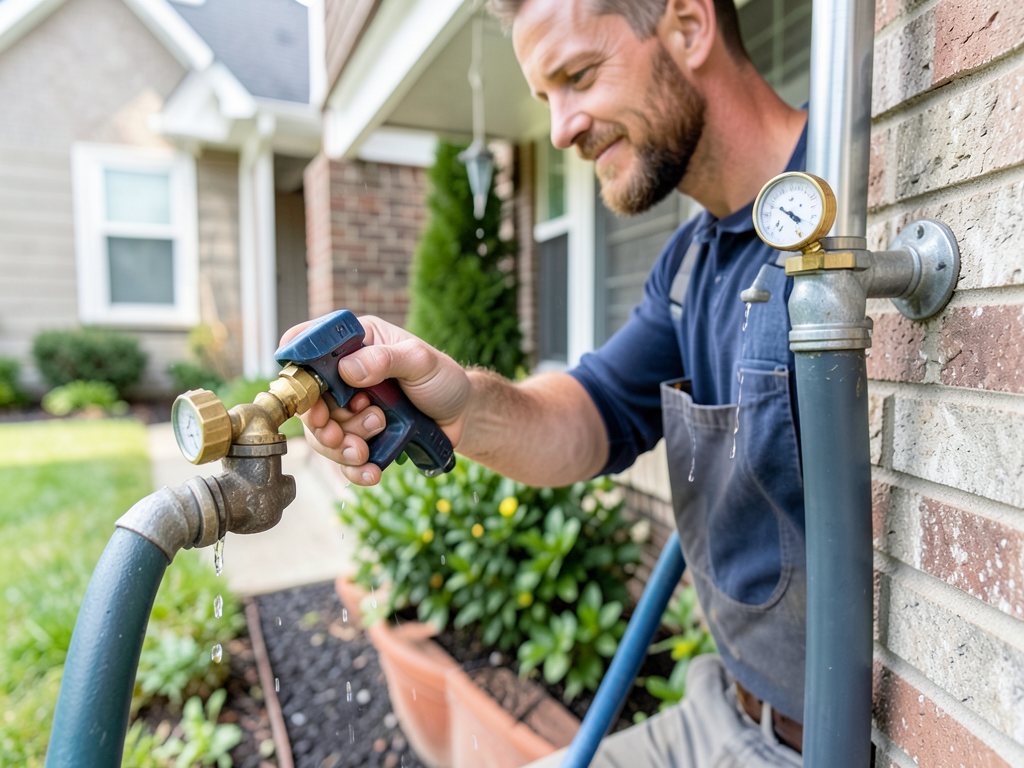
Checking your water pressure takes less than five minutes with a simple gauge. These gauges attach to any hose bib or washing machine connection and give you an instant reading. The process is straightforward: attach the gauge, turn on the water fully, and read the PSI.
For accurate results, check pressure at different times of day. Municipal pressure fluctuates based on demand, typically highest in early morning and late evening when most people use water. A reading above 80 PSI indicates you need a pressure regulator or that your existing one needs replacement.
Another diagnostic test involves checking for thermal expansion. This requires a pressure gauge with a data hold function. Take an initial reading, then run hot water for several minutes to heat your water heater. Turn off all fixtures and watch the gauge. If pressure rises significantly, your thermal expansion tank might be failing.
Professional plumbers in Willow Oaks use more sophisticated testing methods. They check pressure at multiple points in your home, test for water hammer with specialized equipment, and inspect your pressure regulator for proper operation.
Understanding Your Pressure Regulator Options
Pressure regulators come in different quality levels and price points. Basic models start around $50 but may only last 5-7 years in areas with hard water or high pressure. Premium regulators from brands like Watts or Zurn cost more upfront but often last 15-20 years with proper maintenance.
The regulator’s size matters too. Most homes need a 3/4-inch regulator, but larger homes with multiple bathrooms might require a 1-inch model. The wrong size creates pressure drops or fails to adequately reduce high incoming pressure.
Material quality affects longevity. Lead-free brass regulators resist corrosion better than cheaper zinc alloys. Stainless steel internals provide smoother pressure regulation and resist mineral buildup from hard water.
Some regulators include built-in bypass valves for easier maintenance. Others have pressure gauges that let you monitor system pressure without additional equipment. These features add cost but provide convenience and early warning of problems.
The Role of Thermal Expansion Tanks
Thermal expansion tanks work alongside pressure regulators to protect your plumbing system. When water heats in your water heater, it expands. Without somewhere for that extra volume to go, pressure in your system spikes dangerously high. Plumbing Bon Air.
Many older Willow Oaks homes lack thermal expansion protection entirely. This oversight becomes critical when high water pressure already stresses your system. The combination can lead to premature valve failure, leaking pressure relief valves, or even burst pipes.
Thermal expansion tanks contain a rubber bladder that separates air from water. As water expands, it compresses the air pocket instead of increasing system pressure. When sized correctly, these tanks prevent pressure spikes that would otherwise damage your plumbing.
Testing your thermal expansion tank is simple. Tap the tank with a screwdriver. A healthy tank sounds hollow on top and solid on bottom. If it sounds solid throughout, the bladder might have failed and needs replacement.
Professional Installation vs. DIY Replacement
Replacing a pressure regulator requires plumbing skills and specialized tools. The process involves shutting off your home’s main water supply, cutting into the main line, and installing new fittings. One mistake can flood your home or create a leak that goes unnoticed for days.
Professional plumbers bring experience that prevents common mistakes. They know how to support pipes properly during cutting, how to prevent debris from entering your system, and how to test for leaks at every connection.
DIY replacement might seem cost-effective at $150-200 in materials versus $400-600 for professional installation. However, mistakes often cost more than the labor savings. A small leak behind a wall can cause thousands in water damage before you notice it.
Professional installation includes warranty protection. If a fitting fails or a connection leaks within the warranty period, the plumber returns to fix it at no cost. DIY work offers no such protection.
Richmond-Specific Plumbing Codes and Requirements
Richmond follows the Virginia Uniform Statewide Building Code, which requires pressure reducing valves when municipal pressure exceeds 80 PSI. The code also mandates thermal expansion protection for closed plumbing systems, which includes most modern homes with backflow preventers. Virginia Uniform Statewide Building Code.
Section 604.8 of the plumbing code specifically addresses pressure regulators. It requires lead-free materials for all potable water components and mandates proper support for all piping. Local inspectors verify these requirements during permit inspections.
Henrico County, which includes parts of Willow Oaks, has additional requirements. All pressure regulators must include a bypass arrangement for maintenance. The county also requires pressure gauges on both sides of the regulator to verify proper operation.
Chesterfield County requires thermal expansion tanks on all new installations and replacements. This requirement protects both homeowners and the municipal water system from pressure-related damage.
Cost Factors for Pressure Regulator Replacement in Willow Oaks
Several factors affect the cost of pressure regulator replacement in Willow Oaks. The regulator’s quality represents the most significant variable. Basic models cost $50-100, while premium regulators with gauges and bypass valves cost $200-400.
Installation complexity varies by home. Some homes have easy access to the main water line in a basement or crawl space. Others require cutting through concrete or working in tight attic spaces. Difficult access can add $100-200 to the job.
Additional components increase costs. Thermal expansion tanks add $150-300 installed. New shut-off valves, piping, or fittings might be needed if existing components show corrosion or wear.
Permit requirements in Henrico County add $50-100 to the total cost. While some plumbers skip permits to save money, this practice leaves you without inspection protection and could cause problems when selling your home.
Emergency service calls cost more than scheduled appointments. If your regulator fails and you have no water, expect to pay 1.5-2x the normal rate for immediate service.
Maintenance Tips to Extend Your Regulator’s Life
Regular maintenance prevents premature regulator failure. Once a year, check the pressure gauge if your regulator has one. Pressure creeping above your set point indicates the regulator needs adjustment or replacement.
Inspect visible components for corrosion or mineral buildup. White crusty deposits around fittings indicate hard water problems that accelerate wear. Cleaning these deposits and applying protective coatings can extend component life.
Test your pressure relief valve annually. This safety device should release pressure if system pressure exceeds safe levels. A valve that doesn’t operate freely might stick when needed most.
Consider water treatment if you have hard water. Mineral buildup inside the regulator reduces its effectiveness and can cause premature failure. Water softeners or scale inhibitors protect both your regulator and your appliances.
Monitor your water bill for unexplained increases. A sudden jump might indicate a small leak somewhere in your system, possibly caused by high pressure forcing water past failing seals.
When to Call a Professional Immediately
Some situations require immediate professional attention. If you hear loud banging when using water, especially if it’s a new sound, high pressure might be damaging your pipes right now.
Visible leaks around your pressure regulator or main water line demand quick action. Even small drips waste water and indicate component failure that will worsen rapidly.
If your water heater’s pressure relief valve leaks constantly, high pressure might be forcing it open repeatedly. This wastes water and energy while indicating a potentially dangerous pressure situation.
Multiple appliance failures in a short time might indicate systemic high pressure problems. When your dishwasher, washing machine, and water heater all experience issues within months of each other, pressure could be the common factor.
Foundation movement in Willow Oaks can shift plumbing and stress pressure regulators. If you notice new plumbing noises after nearby construction or seasonal soil movement, have your system checked.
Protecting Your Investment Long-Term
High water pressure represents an invisible threat to your home’s plumbing system. While you can’t see pressure building inside your pipes, the damage accumulates daily. Each time you run a faucet or start a load of laundry, stressed components work harder than necessary.
The cost of prevention pales compared to emergency repairs. A $400 pressure regulator replacement prevents thousands in appliance damage and potential water damage repairs. It’s like insurance for your entire plumbing system. Sewer Line Repairs for Historic Houses in the Museum District.
Willow Oaks homeowners who invest in proper pressure regulation typically see their appliances last 3-5 years longer. That’s thousands in savings over a decade, not counting the peace of mind that comes from knowing your home is protected.
Professional plumbers in Richmond understand the unique challenges of this area. They know which regulators perform best in local water conditions, how to navigate local building codes, and how to provide lasting solutions for Willow Oaks homes.
Don’t wait for a catastrophic failure to address high water pressure. A simple inspection today can prevent emergency repairs tomorrow. Your appliances work hard enough without fighting excessive water pressure.
Frequently Asked Questions
What is the ideal water pressure for my home?
The ideal water pressure for residential homes ranges from 40 to 60 PSI, with 50 PSI being optimal for most households. Pressure between 60 and 80 PSI is acceptable but may reduce appliance lifespan. Anything above 80 PSI requires a pressure reducing valve according to plumbing codes.
How long do pressure reducing valves typically last?
Quality pressure reducing valves last 10-15 years in normal conditions. In areas with hard water or high pressure, like Willow Oaks, they may need replacement every 7-10 years. Regular maintenance and water treatment can extend their lifespan significantly.
Can I install a pressure regulator myself?
While technically possible, pressure regulator installation requires plumbing expertise and specialized tools. Mistakes can cause flooding, leaks, or code violations. Professional installation ensures proper function, includes warranty protection, and guarantees compliance with local building codes.
How much does pressure regulator replacement cost in Richmond?
Pressure regulator replacement in Richmond typically costs $400-600 for standard installations. Premium regulators with gauges and bypass valves cost more. Additional components like thermal expansion tanks add $150-300. Complex installations or emergency service increase costs further.
What causes water pressure to be too high?
High water pressure results from municipal supply systems, elevation changes, or failing pressure regulators. In Willow Oaks, the combination of uphill location and aging infrastructure commonly creates pressure above 80 PSI. Thermal expansion from water heating can also cause pressure spikes.
Take Action to Protect Your Home Today
High water pressure silently damages your home’s plumbing system every day. The longer you wait, the more expensive the repairs become. Your water heater, washing machine, and other appliances work harder than necessary, wearing out years before they should.
A simple pressure check takes minutes but can save you thousands in repairs. If you live in Willow Oaks and haven’t had your water pressure checked recently, now is the time. Our local plumbers understand the specific challenges of Richmond’s water systems and can provide solutions that last.
Don’t let high water pressure turn your home appliances into expensive paperweights. Call (804) 602-4944 today to schedule your pressure inspection. We’ll check your system, explain your options, and help you choose the right solution for your home and budget.
Pick up the phone and call (804) 602-4944 before the next appliance fails. Your home deserves protection from the hidden dangers of high water pressure. Let our experienced team provide the peace of mind that comes from knowing your plumbing system is working exactly as it should.
{
“@context”: “https://schema.org”,
“@type”: “BlogPosting”,
“headline”: “Protect Your Appliances in Willow Oaks by Checking Your Water Pressure Regulator”,
“description”: “High water pressure in Willow Oaks can damage your appliances. Learn how to check your regulator and protect your home with expert Richmond plumbing services.”,
“wordCount”: 2550,
“datePublished”: “2026-05-22T14:11:00.000Z”,
“dateModified”: “2026-05-22T14:11:00.000Z”,
“inLanguage”: “en-US”,
“mainEntityOfPage”: {
“@type”: “WebPage”,
“@id”: “https://summitplumbingrichmond.com”
},
“publisher”: {
“@type”: “LocalBusiness”,
“name”: “Summit Plumbing Richmond”,
“url”: “https://summitplumbingrichmond.com”
},
“author”: {
“@type”: “Organization”,
“name”: “Summit Plumbing Richmond”,
“url”: “https://summitplumbingrichmond.com”
},
“image”: {
“@type”: “ImageObject”,
“url”: “https://summitplumbingrichmond.com/wp-content/uploads/2026/03/protect-your-appliances-in-willow-oaks-by-checking-1.png”
}
}
{
“@context”: “https://schema.org”,
“@type”: “Plumber”,
“name”: “Summit Plumbing Richmond”,
“url”: “https://summitplumbingrichmond.com”,
“address”: {
“@type”: “PostalAddress”,
“addressLocality”: “Richmond”
},
“areaServed”: {
“@type”: “City”,
“name”: “Richmond”
}
}
{
“@context”: “https://schema.org”,
“@type”: “FAQPage”,
“mainEntity”: [
{
“@type”: “Question”,
“name”: “What is the ideal water pressure for my home?”,
“acceptedAnswer”: {
“@type”: “Answer”,
“text”: “The ideal water pressure for residential homes ranges from 40 to 60 PSI, with 50 PSI being optimal for most households. Pressure between 60 and 80 PSI is acceptable but may reduce appliance lifespan. Anything above 80 PSI requires a pressure reducing valve according to plumbing codes.”
}
},
{
“@type”: “Question”,
“name”: “How long do pressure reducing valves typically last?”,
“acceptedAnswer”: {
“@type”: “Answer”,
“text”: “Quality pressure reducing valves last 10-15 years in normal conditions. In areas with hard water or high pressure, like Willow Oaks, they may need replacement every 7-10 years. Regular maintenance and water treatment can extend their lifespan significantly.”
}
},
{
“@type”: “Question”,
“name”: “Can I install a pressure regulator myself?”,
“acceptedAnswer”: {
“@type”: “Answer”,
“text”: “While technically possible, pressure regulator installation requires plumbing expertise and specialized tools. Mistakes can cause flooding, leaks, or code violations. Professional installation ensures proper function, includes warranty protection, and guarantees compliance with local building codes.”
}
},
{
“@type”: “Question”,
“name”: “How much does pressure regulator replacement cost in Richmond?”,
“acceptedAnswer”: {
“@type”: “Answer”,
“text”: “Pressure regulator replacement in Richmond typically costs $400-600 for standard installations. Premium regulators with gauges and bypass valves cost more. Additional components like thermal expansion tanks add $150-300. Complex installations or emergency service increase costs further.”
}
}
]
}
{
“@context”: “https://schema.org”,
“@type”: “BreadcrumbList”,
“itemListElement”: [
{
“@type”: “ListItem”,
“position”: 1,
“name”: “Home”,
“item”: “https://summitplumbingrichmond.com”
},
{
“@type”: “ListItem”,
“position”: 2,
“name”: “Blog”,
“item”: “https://summitplumbingrichmond.com/blog”
},
{
“@type”: “ListItem”,
“position”: 3,
“name”: “Protect Your Appliances in Willow Oaks by Checking Your Water Pressure Regulator”
}
]
}
{
“@context”: “https://schema.org”,
“@type”: “Service”,
“serviceType”: “Plumbing”,
“provider”: {
“@type”: “LocalBusiness”,
“name”: “Summit Plumbing Richmond”,
“url”: “https://summitplumbingrichmond.com”
},
“areaServed”: {
“@type”: “City”,
“name”: “Richmond”
},
“description”: “High water pressure in Willow Oaks can damage your appliances. Learn how to check your regulator and protect your home with expert Richmond plumbing services.”
}