
Are Low-Flow Toilets Worth the Investment for Your Libbie Mill Townhome?
Libbie Mill residents face rising water bills and growing environmental concerns. Low-flow toilets use 1.28 gallons per flush or less compared to older models that use 3.5 to 5 gallons. This upgrade can cut your household water use by up to 60 percent and save hundreds of dollars annually on utility costs. Richmond’s Department of Public Utilities offers rebates for WaterSense-certified fixtures, making the switch even more affordable. EPA WaterSense Program.
Modern low-flow toilets use advanced flushing technology to clear waste effectively without wasting water. Dual-flush models give you a half-flush option for liquid waste and a full flush for solids. Pressure-assisted units use compressed air for powerful flushing in smaller tanks. These innovations address the performance issues that plagued early low-flow designs. Tankless Water Heater Installation for Modern Homes in Short Pump.
Libbie Mill townhomes typically have 1.6 GPF toilets installed during construction. Upgrading to 1.28 GPF models provides immediate water savings without sacrificing performance. The average Richmond household flushes toilets 5,000 times yearly. Cutting each flush by 0.32 gallons saves over 1,600 gallons annually per toilet. Richmond Department of Public Utilities.
WaterSense Certification and Local Rebates
WaterSense toilets meet EPA standards for water efficiency and performance. These fixtures use at least 20 percent less water than federal requirements while maintaining proper flush power. Richmond DPU partners with manufacturers to offer rebates of $100 per qualifying toilet when replacing older models.. Read more about Why Your Water Bill Suddenly Skyrocketed and How to Lower It.
To qualify for rebates, toilets must be WaterSense certified and installed in existing homes. New construction and commercial properties do not qualify. Richmond residents can claim up to three rebates per household. The program requires proof of purchase and installation by a licensed plumber.. Read more about Common Household Items That Are Quietly Destroying Your Pipes.
Beyond rebates, low-flow toilets reduce strain on municipal water systems. Richmond’s growing population puts pressure on aging infrastructure. Every gallon saved helps delay costly system upgrades that could raise utility rates for everyone.
Top Low-Flow Toilet Brands for Richmond Homes
Several manufacturers produce reliable low-flow toilets that perform well in Richmond’s water conditions. The area’s moderate water pressure and mineral content affect toilet performance differently than coastal or mountain regions.
Toto Drake II features a 1.28 GPF gravity-fed system with a wide 3-inch flush valve. The model handles Richmond’s average water pressure without needing a pressure-assist mechanism. Its Cefiontect glaze resists mineral buildup from our moderately hard water.
Kohler Wellworth Classic combines traditional styling with modern efficiency. The 1.28 GPF model uses Class Five flushing technology to clear waste effectively. Its larger trapway reduces clogging in homes with older drain lines common in established Richmond neighborhoods.
American Standard Cadet 3 offers a budget-friendly option without sacrificing performance. The 1.28 GPF toilet includes an EverClean surface that inhibits mold and mildew growth in Richmond’s humid climate. Its PowerWash rim cleans the bowl with each flush.
Comparison of popular low-flow toilet models:
| Model | GPF | Flush Type | MaP Score | Price Range |
|---|---|---|---|---|
| Toto Drake II | 1.28 | Gravity | 1000g | $350-$450 |
| Kohler Wellworth | 1.28 | Gravity | 1000g | $250-$350 |
| American Standard Cadet 3 | 1.28 | Gravity | 1000g | $200-$300 |
| Niagara Stealth | 0.8 | Pressure | 500g | $300-$400 |
Richmond Water Conditions and Toilet Performance
Richmond’s water contains moderate mineral content that affects toilet internals over time. Calcium and magnesium deposits can reduce flush valve efficiency and cause seal deterioration. Homes in areas with well water or older municipal lines may experience higher mineral content.
The city’s water pressure typically ranges from 40 to 80 psi. Most low-flow toilets operate effectively within this range. Homes at the lower end may benefit from pressure-assisted models for consistent performance during peak usage times.
Richmond’s humid summers create condensation on toilet tanks in unconditioned bathrooms. This moisture can promote mold growth on traditional porcelain surfaces. Models with antimicrobial coatings or vitreous china construction resist these issues better than standard finishes.
Water hardness in the Richmond area averages 5 to 7 grains per gallon. This level causes minimal scaling compared to mountain or coastal regions. However, regular cleaning prevents mineral buildup in rim holes and jet passages that could reduce flush effectiveness.
Installation Considerations for Townhome Bathrooms
Libbie Mill townhomes feature standard 12-inch rough-in dimensions for toilets. This measurement from the wall to the center of the drain flange matches most modern toilets. Older Richmond homes sometimes have 10-inch or 14-inch rough-ins requiring specific models.
Floor preparation proves critical for proper installation. Townhome bathrooms often have tile or engineered flooring that must be cut precisely around the new flange. Uneven subfloors cause rocking that breaks wax seals and creates leaks over time.
Water supply lines in newer construction use flexible stainless steel connectors. These resist kinking and corrosion better than older copper or braided nylon lines. Supply line length must match the new toilet’s tank connection height to prevent stress on fittings.
Proper sealing prevents sewer gas infiltration. Modern wax rings with flanges provide better seals than traditional wax rings alone. Some plumbers recommend reinforced wax rings or foam alternatives for added protection in townhome settings where leaks could damage adjacent units. Sewer Line Repairs for Historic Houses in the Museum District.
Cost Analysis and Return on Investment
Low-flow toilet installation costs range from $350 to $700 per unit including the fixture. Premium models with advanced features cost more but offer better performance and durability. Basic models provide adequate function at lower price points.
Water savings translate to real money. Richmond’s average residential water rate is $4.85 per 1,000 gallons. A family of four using older 3.5 GPF toilets spends approximately $70 yearly on toilet water. Switching to 1.28 GPF models reduces this to $26 annually.
Annual savings calculation:
- Determine current usage
Calculate gallons per flush for existing toilet (typically 3.5-5 GPF)
- Calculate daily flushes
Multiply by average daily flushes per person (5-7)
- Multiply by household size
Determine total daily water use for toilets
- Convert to annual usage
Multiply daily usage by 365 days
- Apply water rates
Multiply total gallons by local water rate ($4.85 per 1,000 gallons)
Payback period typically ranges from 2 to 4 years depending on toilet cost and water usage. Rebates reduce this timeline significantly. Premium models may take longer to recoup costs but offer better performance and longer warranties.
Maintenance and Longevity Factors
Low-flow toilets require specific maintenance to ensure long-term performance. Fill valves need adjustment to maintain proper tank levels. Flapper valves wear out faster than in older models due to more frequent operation.
Richmond’s water quality affects component lifespan. Areas with higher mineral content may need fill valve replacement every 3-5 years. Homes with water softeners experience less mineral buildup but may need more frequent seal replacements due to chemical effects.
Cleaning frequency impacts performance. Mineral deposits in rim holes reduce flush effectiveness. Monthly cleaning with vinegar solutions dissolves buildup without damaging toilet surfaces. Avoid abrasive cleaners that scratch vitreous china and create areas for bacteria growth.
Leak detection becomes more critical with low-flow models. Small leaks waste more water proportionally than in older toilets. Food coloring tests in the tank can identify flapper leaks within 30 minutes. Running toilets can waste 200 gallons daily.
Environmental Impact Beyond Water Savings
Water conservation reduces energy consumption at treatment facilities. Richmond processes millions of gallons daily through pumping stations and treatment plants. Every gallon saved reduces the energy needed for water delivery and wastewater processing.
Reduced wastewater volume decreases strain on sewer systems. Libbie Mill connects to Richmond’s municipal sewer network. Lower flow volumes reduce the risk of backups during heavy rainfall when systems face combined sewer overflow challenges. Fixing Main Line Sewer Backups in Bon Air Neighborhoods.
Manufacturing impacts vary by toilet type. Pressure-assisted models require more complex components and energy-intensive production. Gravity-fed models use simpler designs with lower manufacturing footprints. Both options provide significant water savings over their lifetimes.
End-of-life disposal considerations matter. Most toilet components are recyclable. Ceramic bowls can be crushed for road base material. Metal components go to scrap recycling. Plastic parts require specialized recycling facilities.
Common Concerns and Solutions
Many homeowners worry about low-flow toilet performance based on early models from the 1990s. Modern designs address these issues through better engineering and testing. MaP testing ensures toilets clear specific waste volumes consistently.
Clogging concerns often stem from inadequate trapway size or poor bowl design. Models with 2-inch or larger trapways handle typical waste without issues. Dual-flush options provide extra power when needed while maintaining efficiency for liquid waste.
Noise levels vary by design. Pressure-assisted toilets produce distinctive sounds during flushing. Gravity-fed models operate more quietly but may require multiple flushes for challenging waste. Richmond homes with open floor plans should consider noise when selecting models.
Resale value impacts influence decisions. Water-efficient fixtures appeal to environmentally conscious buyers. Energy audits increasingly include water usage in overall efficiency ratings. Low-flow toilets can improve home energy scores.
Installation Process and What to Expect
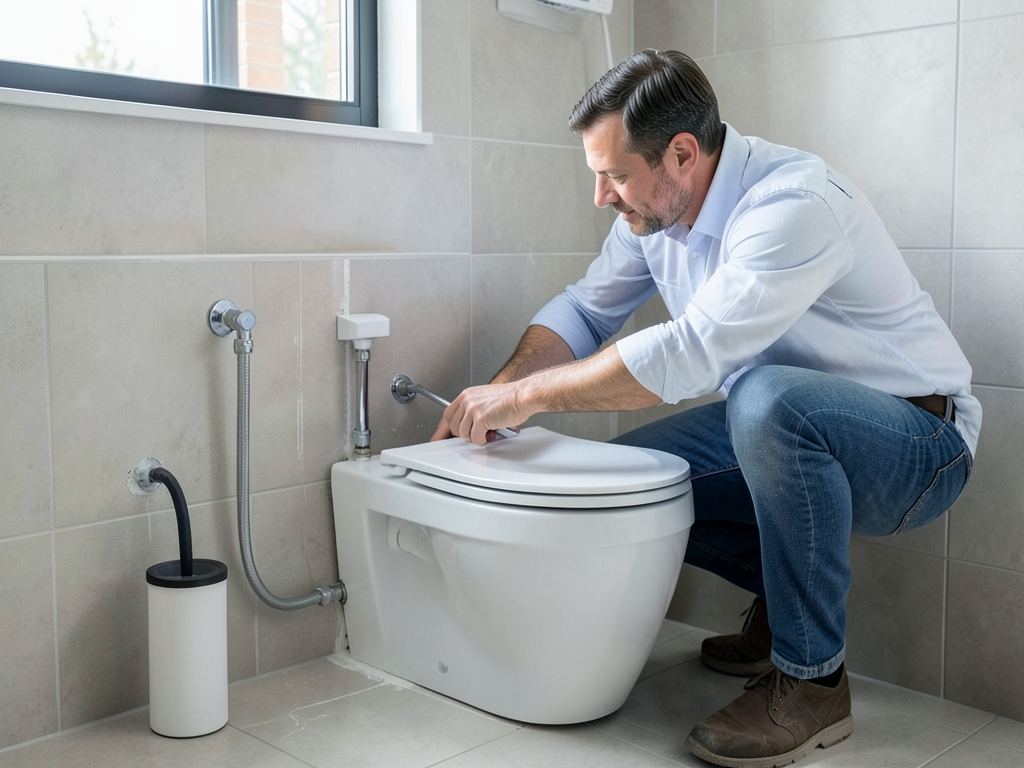
Professional installation ensures proper function and warranty protection. The process typically takes 2-3 hours per toilet. Plumbers must shut off water supply, remove the old unit, and prepare the flange area.
Floor preparation involves checking for levelness and making adjustments. Shims may be needed to prevent rocking. The flange must be secure and at the correct height relative to the finished floor.
Supply line connections require proper torque to prevent leaks. Over-tightening can crack porcelain or damage compression fittings. Under-tightening causes slow leaks that damage flooring over time.
Final testing includes multiple flush cycles to verify performance. Plumbers check for proper bowl refill, tank shut-off, and absence of leaks. They also verify floor stability and toilet alignment.
Old toilet disposal follows local regulations. Richmond requires proper handling of porcelain fixtures. Many plumbers include haul-away service as part of installation packages.
Frequently Asked Questions
Do low-flow toilets really save money in Richmond?
Yes. A typical household saves $40 to $60 annually on water bills. With rebates and installation costs, payback occurs within 2-4 years. Savings increase with higher water usage and older toilet models.
Will a low-flow toilet clog more often?
Modern low-flow toilets with MaP scores above 800 rarely clog when used properly. Models with larger trapways and better bowl design handle typical waste effectively. Proper maintenance prevents most clogging issues.
Are there rebates available for Richmond residents?
Richmond DPU offers $100 rebates for WaterSense toilets installed in existing homes. Up to three rebates per household are available. New construction and commercial properties do not qualify for these rebates.
How long do low-flow toilets typically last?
Quality low-flow toilets last 15-20 years with proper maintenance. Internal components like flappers and fill valves may need replacement every 5-7 years. Porcelain bowls rarely fail unless physically damaged.
Can I install a low-flow toilet myself?
DIY installation is possible but not recommended. Professional installation ensures proper sealing, prevents leaks, and maintains warranty coverage. Incorrect installation can cause expensive water damage and void manufacturer warranties.
Making Your Decision
Low-flow toilets offer compelling benefits for Libbie Mill townhome owners. Water savings, environmental benefits, and potential rebates make them worth considering. Modern performance eliminates the trade-offs that made early models unpopular.
Consider your household’s specific needs when selecting a model. Larger families benefit more from efficiency gains. Homes with older plumbing may need specific features for optimal performance. Budget constraints influence model selection but shouldn’t compromise quality. Who to Call for a 24-Hour Plumbing Emergency in Downtown Richmond.
Professional installation ensures you receive maximum benefits from your investment. Proper setup prevents common issues like leaks and poor performance. Licensed plumbers understand local water conditions and building requirements.
Ready to upgrade your toilet and start saving water? Call (804) 602-4944 today to schedule your installation. Our Richmond plumbing experts will help you select the perfect low-flow toilet for your Libbie Mill townhome and handle everything from removal to final testing. Plumbing Bon Air.
Don’t wait for your next high water bill to take action. Pick up the phone and call (804) 602-4944 before the next quarter’s utility charges arrive. Your wallet and the environment will thank you.
{
“@context”: “https://schema.org”,
“@type”: “BlogPosting”,
“headline”: “Are Low-Flow Toilets Worth the Investment for Your Libbie Mill Townhome?”,
“description”: “Discover if low-flow toilets save money and water in your Libbie Mill townhome. Compare top models, local rebates, and installation costs from Richmond’s trusted plumber.”,
“wordCount”: 1987,
“datePublished”: “2026-03-14T15:58:00.000Z”,
“dateModified”: “2026-03-14T15:58:00.000Z”,
“inLanguage”: “en-US”,
“mainEntityOfPage”: {
“@type”: “WebPage”,
“@id”: “https://summitplumbingrichmond.com”
},
“publisher”: {
“@type”: “LocalBusiness”,
“name”: “Summit Plumbing Richmond”,
“url”: “https://summitplumbingrichmond.com”
},
“author”: {
“@type”: “Organization”,
“name”: “Summit Plumbing Richmond”,
“url”: “https://summitplumbingrichmond.com”
},
“image”: {
“@type”: “ImageObject”,
“url”: “https://summitplumbingrichmond.com/wp-content/uploads/2026/03/are-low-flow-toilets-worth-the-investment-for-your-1.png”
}
}
{
“@context”: “https://schema.org”,
“@type”: “Plumber”,
“name”: “Summit Plumbing Richmond”,
“url”: “https://summitplumbingrichmond.com”,
“address”: {
“@type”: “PostalAddress”,
“addressLocality”: “Richmond”
},
“areaServed”: {
“@type”: “City”,
“name”: “Richmond”
}
}
{
“@context”: “https://schema.org”,
“@type”: “FAQPage”,
“mainEntity”: [
{
“@type”: “Question”,
“name”: “Do low-flow toilets really save money in Richmond?”,
“acceptedAnswer”: {
“@type”: “Answer”,
“text”: “Yes. A typical household saves $40 to $60 annually on water bills. With rebates and installation costs, payback occurs within 2-4 years. Savings increase with higher water usage and older toilet models.”
}
},
{
“@type”: “Question”,
“name”: “Will a low-flow toilet clog more often?”,
“acceptedAnswer”: {
“@type”: “Answer”,
“text”: “Modern low-flow toilets with MaP scores above 800 rarely clog when used properly. Models with larger trapways and better bowl design handle typical waste effectively. Proper maintenance prevents most clogging issues.”
}
},
{
“@type”: “Question”,
“name”: “Are there rebates available for Richmond residents?”,
“acceptedAnswer”: {
“@type”: “Answer”,
“text”: “Richmond DPU offers $100 rebates for WaterSense toilets installed in existing homes. Up to three rebates per household are available. New construction and commercial properties do not qualify for these rebates.”
}
},
{
“@type”: “Question”,
“name”: “How long do low-flow toilets typically last?”,
“acceptedAnswer”: {
“@type”: “Answer”,
“text”: “Quality low-flow toilets last 15-20 years with proper maintenance. Internal components like flappers and fill valves may need replacement every 5-7 years. Porcelain bowls rarely fail unless physically damaged.”
}
}
]
}
{
“@context”: “https://schema.org”,
“@type”: “HowTo”,
“name”: “Annual Water Savings Calculation”,
“step”: [
{
“@type”: “HowToStep”,
“position”: 1,
“name”: “Determine current usage”,
“text”: “Calculate gallons per flush for existing toilet (typically 3.5-5 GPF)”
},
{
“@type”: “HowToStep”,
“position”: 2,
“name”: “Calculate daily flushes”,
“text”: “Multiply by average daily flushes per person (5-7)”
},
{
“@type”: “HowToStep”,
“position”: 3,
“name”: “Multiply by household size”,
“text”: “Determine total daily water use for toilets”
},
{
“@type”: “HowToStep”,
“position”: 4,
“name”: “Convert to annual usage”,
“text”: “Multiply daily usage by 365 days”
},
{
“@type”: “HowToStep”,
“position”: 5,
“name”: “Apply water rates”,
“text”: “Multiply total gallons by local water rate ($4.85 per 1,000 gallons)”
}
],
“image”: “https://summitplumbingrichmond.com/wp-content/uploads/2026/03/are-low-flow-toilets-worth-the-investment-for-your-1.png”
}
{
“@context”: “https://schema.org”,
“@type”: “BreadcrumbList”,
“itemListElement”: [
{
“@type”: “ListItem”,
“position”: 1,
“name”: “Home”,
“item”: “https://summitplumbingrichmond.com”
},
{
“@type”: “ListItem”,
“position”: 2,
“name”: “Blog”,
“item”: “https://summitplumbingrichmond.com/blog”
},
{
“@type”: “ListItem”,
“position”: 3,
“name”: “Are Low-Flow Toilets Worth the Investment for Your Libbie Mill Townhome?”
}
]
}
{
“@context”: “https://schema.org”,
“@type”: “Service”,
“serviceType”: “Plumbing”,
“provider”: {
“@type”: “LocalBusiness”,
“name”: “Summit Plumbing Richmond”,
“url”: “https://summitplumbingrichmond.com”
},
“areaServed”: {
“@type”: “City”,
“name”: “Richmond”
},
“description”: “Discover if low-flow toilets save money and water in your Libbie Mill townhome. Compare top models, local rebates, and installation costs from Richmond’s trusted plumber.”
}