
Installing Whole House Water Filtration Systems in Midlothian (2026 Edition)
Homeowners in Midlothian face unique water quality challenges from Chesterfield County’s municipal supply and private wells. Hard water minerals, chlorine taste, and sediment buildup affect everything from your morning shower to your dishwasher’s lifespan. Professional whole house water filtration systems installed by Summit Plumbing provide comprehensive protection at every tap. Who to Call for a 24-Hour Plumbing Emergency in Downtown Richmond.
Midlothian’s water typically contains 12-15 grains per gallon of hardness minerals and chlorine levels around 1-2 parts per million for disinfection. These levels exceed what most homeowners consider ideal for drinking, bathing, and appliance longevity. Our 2026 filtration solutions address these specific local conditions with proven technology and professional installation. Tankless Water Heater Installation for Modern Homes in Short Pump.
Understanding Midlothian’s Water Quality Challenges
The Swift Creek Reservoir and James River supply most of Chesterfield County’s water, which then flows through aging infrastructure to Midlothian homes. This journey introduces several common issues that whole house filtration systems can solve.
Hard water remains the most widespread problem in Midlothian. Calcium and magnesium minerals leave scale deposits on faucets, showerheads, and inside pipes. Over time, these deposits reduce water pressure, decrease appliance efficiency, and can lead to premature failure of water heaters and dishwashers.
Chlorine and chloramine disinfection byproducts create unpleasant tastes and odors while potentially drying out skin and hair. Some Midlothian residents near rural areas also deal with iron staining, sulfur odors, or sediment from well water sources.
According to the Virginia Department of Health’s 2024 water quality assessments, Chesterfield County’s municipal water meets all EPA safety standards but consistently tests above optimal levels for hardness and disinfection byproducts. The EPA’s secondary standards recommend hardness below 7 grains per gallon for residential use, while Midlothian’s supply averages 12-15 GPG. EPA National Primary Drinking Water Regulations.
Well water in rural Midlothian pockets may contain additional concerns like iron bacteria, manganese, or elevated nitrates. These contaminants require specialized treatment beyond basic filtration.
Types of Whole House Filtration Systems We Install
Different water quality issues require different filtration approaches. Summit Plumbing offers several system types, each addressing specific Midlothian water problems. Plumbing Bon Air.
Carbon Filtration Systems
Activated carbon filters remove chlorine, chloramine, volatile organic compounds, and improve taste and odor throughout your home. These systems use coconut shell carbon media that traps contaminants through adsorption. Most Midlothian homes benefit from carbon filtration as a first stage in any comprehensive system.
Carbon filters typically last 3-5 years before media replacement becomes necessary. The lifespan depends on water usage and contaminant levels. We test your water to determine the optimal carbon media type and bed depth for your specific needs.
Water Softening Systems
Water softeners use ion exchange technology to remove calcium and magnesium minerals that cause hardness. These systems replace hard minerals with sodium or potassium ions, preventing scale buildup throughout your plumbing system. Plumbing Richmond.
Midlothian’s 12-15 GPG hardness requires properly sized softeners with adequate resin capacity. Undersized systems regenerate too frequently, wasting salt and water. Our sizing calculations consider your household size, water hardness, and peak usage patterns.
Modern water softeners feature demand-initiated regeneration, regenerating only when needed rather than on a timer. This technology reduces salt usage by up to 40% compared to older timer-based systems.
Reverse Osmosis Systems
Reverse osmosis provides the highest level of filtration for drinking water at specific taps. While whole house RO systems exist, most Midlothian homeowners choose point-of-use RO for kitchen sinks combined with whole house filtration for the rest of the home.
RO systems force water through semi-permeable membranes that remove dissolved solids, heavy metals, and many chemical contaminants. The process typically reduces total dissolved solids by 90-99%, producing exceptionally pure water for drinking and cooking.
Iron and Sulfur Filters
Homes with well water or those near certain geological formations may need specialized iron and sulfur removal. These systems use oxidation and filtration to remove iron, manganese, and hydrogen sulfide that cause staining and rotten egg odors.
Midlothian’s rural properties sometimes experience iron levels above 3 parts per million, requiring specific filter media like greensand or birm for effective removal.
The Professional Installation Process
Installing whole house filtration requires plumbing expertise to ensure proper system function and code compliance. Our process follows industry best practices and local building code requirements.
We begin with comprehensive water testing using digital meters and laboratory analysis. This testing identifies specific contaminants, measures hardness levels, and determines flow rates needed for proper system sizing. The Virginia Department of Professional and Occupational Regulation requires water treatment professionals to test water before recommending systems. Virginia Department of Health Drinking Water.
Based on test results, we design a system configuration that addresses your specific water quality issues. Most Midlothian installations include a sediment pre-filter, carbon filter, and water softener as a complete package. Additional specialty filters target specific contaminants identified in testing.
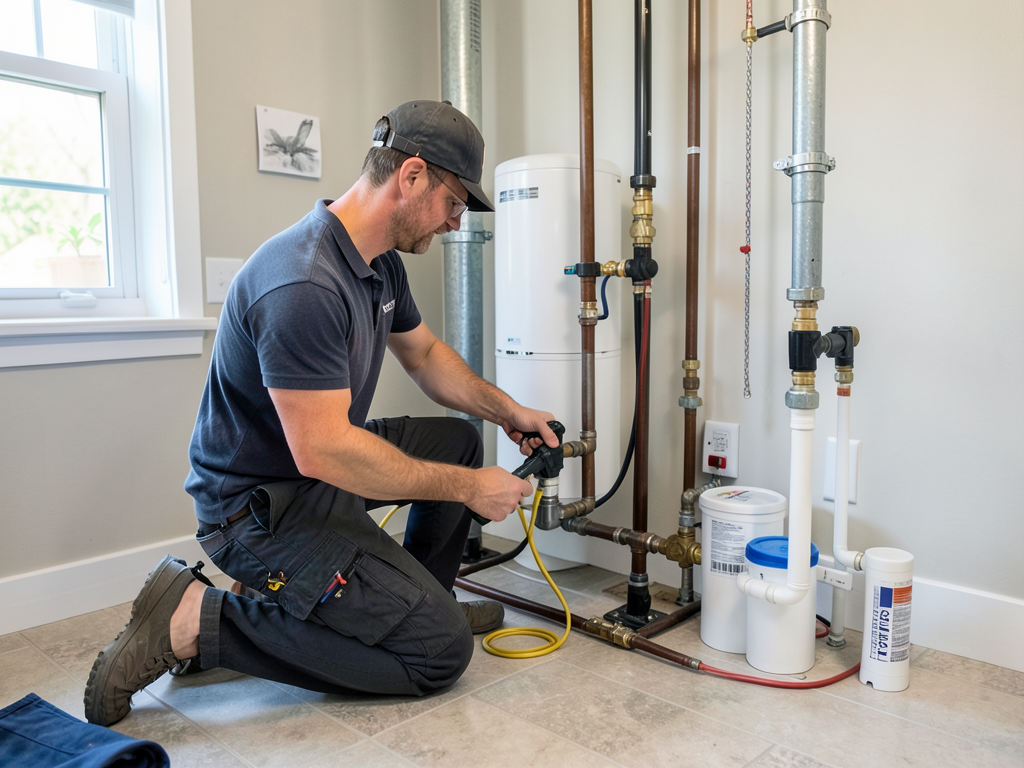
Installation typically takes 4-8 hours depending on system complexity and your home’s plumbing layout. We install systems at the main water line entry point, usually in basements, utility rooms, or crawl spaces. This location ensures all water entering your home passes through the filtration system.
Proper installation includes pressure gauges before and after each filter stage. These gauges help monitor system performance and indicate when maintenance is needed. We also install bypass valves for easy system maintenance without shutting off water to your entire home.
After installation, we calibrate the system for your specific water conditions. This includes setting regeneration cycles for water softeners, adjusting backwash frequencies for specialty filters, and programming any digital controls included with your system.
Benefits for Midlothian Homeowners
Professional whole house filtration delivers multiple benefits that extend beyond just better-tasting water. These systems protect your home’s infrastructure and improve your daily quality of life.
Appliance protection represents one of the most significant benefits. Water heaters, dishwashers, washing machines, and coffee makers all suffer from scale buildup caused by hard water. A properly sized water softener can extend appliance lifespans by 30-50% while improving energy efficiency. The U.S. Department of Energy reports that scale buildup as thin as 1/20 inch can increase water heating costs by 15-20%.
Plumbing system protection prevents costly repairs down the road. Scale buildup inside pipes reduces water flow and can eventually cause complete blockages. Galvanized steel pipes in older Midlothian homes are particularly susceptible to accelerated corrosion from hard water minerals. Sewer Line Repairs for Historic Houses in the Museum District.
Personal benefits include softer skin and hair, cleaner dishes without spots, and brighter laundry. Many customers report reduced soap and detergent usage of 50% or more after installing water softeners, as soft water requires less cleaning product to achieve the same results.
Drinking water quality improves dramatically with carbon filtration. Removing chlorine and other chemicals eliminates unpleasant tastes and odors while reducing exposure to disinfection byproducts. Some studies suggest potential health benefits from reducing these chemical exposures, though EPA standards ensure municipal water remains safe to drink.
Well water treatment addresses specific rural concerns like iron staining, sulfur odors, and sediment. These issues can make well water unpleasant to use and potentially damage fixtures and appliances over time.
Why Summit Plumbing is Richmond’s Choice for Midlothian Plumbing
Summit Plumbing has served the Greater Richmond area for over 15 years, with deep expertise in Chesterfield County’s specific water quality challenges. Our technicians understand the unique needs of Midlothian homes, from historic properties in the original village to newer developments in Brandermill and Woodlake.
We maintain Master Plumber licenses through the Virginia Department of Professional and Occupational Regulation and stay current with all Chesterfield County plumbing permit requirements. Our installations comply with the Virginia Uniform Statewide Building Code and all local ordinances.
Unlike national chains or online retailers selling DIY systems, we provide comprehensive service including water testing, system design, professional installation, and ongoing maintenance. Our local presence means we can respond quickly to any issues and provide personalized service that national companies cannot match.
We offer transparent pricing with no hidden fees. Our quotes include all necessary components, installation labor, and first-year maintenance. We never pressure customers into unnecessary upgrades or overpriced systems.
Summit Plumbing maintains an A+ rating with the Better Business Bureau and consistently receives 5-star reviews from Midlothian customers. We provide references from satisfied homeowners throughout Chesterfield County, including specific neighborhoods like Salisbury, Watkins, and the Midlothian Mines area.
Our maintenance programs ensure your filtration system continues performing optimally year after year. We offer annual service visits that include media replacement, system cleaning, and performance testing. This proactive approach prevents unexpected failures and maintains water quality.
Maintenance and System Longevity
Proper maintenance ensures your filtration system provides years of reliable service. Different system components require varying maintenance schedules based on water quality and usage.
Sediment pre-filters typically need replacement every 3-6 months. These filters trap sand, silt, and other particles that could damage downstream components. Reduced water pressure often indicates a clogged sediment filter.
Carbon filters generally last 3-5 years before media replacement becomes necessary. The exact lifespan depends on chlorine levels in your water and household usage. Some systems include automatic backwashing features that extend media life by preventing channeling.
Water softener salt levels require monthly checking and refilling. Most systems use 40-80 pounds of salt monthly, depending on hardness levels and water usage. High-efficiency models may use significantly less salt while providing the same softening performance.
Reverse osmosis membranes typically last 2-3 years before replacement. These membranes gradually lose effectiveness as they trap contaminants. Reduced water production or poor taste often indicates membrane degradation.
Specialty filters like iron removal systems may require annual media replacement or regeneration. These systems often include automated cleaning cycles that reduce manual maintenance requirements.
Summit Plumbing’s maintenance programs include all necessary service visits, filter replacements, and system testing. Our technicians can identify potential issues before they become problems, saving you money on emergency repairs.
Cost Considerations and ROI
Whole house filtration system costs vary based on system type, size, and installation complexity. Basic carbon filtration systems start around $1,500 installed, while comprehensive water softening and filtration packages typically range from $2,500 to $4,500.
Several factors affect system pricing. Water hardness levels determine softener size requirements. Homes with 15 GPG hardness need larger systems than those with 8 GPG. Number of bathrooms and household size also influence system sizing, as larger households require higher flow rates.
Installation complexity affects costs. Homes with accessible main water lines in basements or utility rooms cost less to equip than those requiring extensive plumbing modifications. Some older Midlothian homes need updated shut-off valves or pressure regulators before filtration installation.
Operating costs include electricity for control valves, salt for water softeners, and periodic filter replacements. Annual operating costs typically range from $100 to $300 depending on system type and water usage.
Return on investment comes through several channels. Extended appliance lifespans can save $500 to $2,000 over 10 years. Reduced soap and detergent usage saves $100 to $300 annually. Energy savings from scale-free water heaters can reduce utility bills by $50 to $150 per year.
Many homeowners also value the peace of mind that comes from knowing their water is consistently filtered and treated. This benefit, while difficult to quantify, represents a significant factor in the decision to install whole house filtration.
Common Questions About Water Filtration
Many homeowners have questions about water filtration before making the investment. Here are answers to the most common concerns we hear from Midlothian residents.
Is filtered water necessary if my water meets EPA standards? Yes, because EPA standards address safety, not aesthetics or appliance protection. Municipal water can be legally safe while still causing scale buildup, unpleasant tastes, or dry skin. Filtration improves water quality beyond minimum safety requirements.
Will a water softener make my water taste salty? No, properly functioning water softeners do not add noticeable salt to your water. The ion exchange process replaces calcium and magnesium with sodium ions, but the sodium levels remain well below what affects taste. Most people cannot detect any difference in taste after softening.
How much space do these systems require? Whole house filtration systems typically need 3-5 square feet of floor space and 5-6 feet of height. Most installations fit in utility rooms, basements, or garages. We can often design compact systems for homes with limited space.
Can I install these systems myself? While DIY installation is possible, professional installation ensures proper sizing, code compliance, and optimal performance. Incorrect installation can lead to leaks, poor water pressure, or system failure. Professional installation also maintains manufacturer warranties.
How long does installation take? Most whole house filtration installations require 4-8 hours. Complex installations involving significant plumbing modifications may take longer. We can typically complete installations in one day with minimal disruption to your household.
Getting Started with Your Water Filtration Project
The first step toward better water quality is professional water testing. Summit Plumbing offers free basic water testing that measures hardness, chlorine levels, and identifies obvious contaminants. More comprehensive laboratory analysis can detect additional concerns like lead, nitrates, or specific chemical contaminants.
Based on test results, we provide detailed recommendations for system types and configurations that address your specific water quality issues. We explain the benefits and costs of different approaches, helping you make informed decisions about your investment.
Our installation scheduling is flexible to accommodate your needs. We can often complete installations within one week of your decision, though complex projects may require additional planning time.
All our installations include comprehensive warranties. System components typically carry 5-10 year warranties, while our workmanship is guaranteed for one year. We also offer extended warranty options for additional peace of mind.
Ready to improve your home’s water quality? Call (804) 602-4944 today to schedule your free water test and consultation. Our Midlothian water quality experts will help you understand your options and choose the right filtration system for your home.
Don’t wait until hard water damages your appliances or chlorine affects your family’s comfort. Professional whole house water filtration is an investment that pays for itself through improved water quality, appliance protection, and peace of mind.
Frequently Asked Questions
How do I know if I need a water filtration system?
Signs you need filtration include scale buildup on faucets, spots on dishes, dry skin and hair, unpleasant tastes or odors, and reduced appliance efficiency. Professional water testing provides definitive answers about your specific water quality issues.
What’s the difference between point-of-use and point-of-entry filtration?
Point-of-use systems filter water at specific taps, typically for drinking and cooking. Point-of-entry systems filter all water entering your home, providing comprehensive protection for every tap, appliance, and fixture.
How often do water filtration systems need maintenance?
Maintenance schedules vary by system type. Sediment filters need replacement every 3-6 months, carbon filters every 3-5 years, and water softener salt requires monthly checking. Professional maintenance programs handle all scheduled service automatically.
Will a water softener remove all minerals from my water?
Water softeners remove hardness minerals (calcium and magnesium) but do not remove all minerals. Some minerals like sodium are added during the softening process. The total dissolved solids in your water may change slightly but not dramatically.
Can water filtration systems remove lead?
Some filtration systems can remove lead, but effectiveness varies by system type. Reverse osmosis and certain activated carbon filters can reduce lead levels. If lead is a concern, we recommend specific testing and appropriate treatment system selection.
How long do whole house water filtration systems last?
Quality systems typically last 10-15 years with proper maintenance. Individual components like filters and membranes require more frequent replacement, but the main system housing and controls often last much longer with regular service.
{
“@context”: “https://schema.org”,
“@type”: “BlogPosting”,
“headline”: “Installing Whole House Water Filtration Systems in Midlothian (2026 Edition)”,
“description”: “Protect your Midlothian home from hard water and contaminants with professional whole house filtration. Learn about systems, installation, and local water quality in 2026.”,
“wordCount”: 2612,
“datePublished”: “2026-03-04T15:14:00.000Z”,
“dateModified”: “2026-03-04T15:14:00.000Z”,
“inLanguage”: “en-US”,
“mainEntityOfPage”: {
“@type”: “WebPage”,
“@id”: “https://summitplumbingrichmond.com”
},
“publisher”: {
“@type”: “LocalBusiness”,
“name”: “Summit Plumbing Richmond”,
“url”: “https://summitplumbingrichmond.com”
},
“author”: {
“@type”: “Organization”,
“name”: “Summit Plumbing Richmond”,
“url”: “https://summitplumbingrichmond.com”
},
“image”: {
“@type”: “ImageObject”,
“url”: “https://summitplumbingrichmond.com/wp-content/uploads/2026/03/installing-whole-house-water-filtration-systems-in-1.png”
}
}
{
“@context”: “https://schema.org”,
“@type”: “Plumber”,
“name”: “Summit Plumbing Richmond”,
“url”: “https://summitplumbingrichmond.com”,
“address”: {
“@type”: “PostalAddress”,
“addressLocality”: “Richmond”
},
“areaServed”: {
“@type”: “City”,
“name”: “Richmond”
}
}
{
“@context”: “https://schema.org”,
“@type”: “FAQPage”,
“mainEntity”: [
{
“@type”: “Question”,
“name”: “How do I know if I need a water filtration system?”,
“acceptedAnswer”: {
“@type”: “Answer”,
“text”: “Signs you need filtration include scale buildup on faucets, spots on dishes, dry skin and hair, unpleasant tastes or odors, and reduced appliance efficiency. Professional water testing provides definitive answers about your specific water quality issues.”
}
},
{
“@type”: “Question”,
“name”: “What’s the difference between point-of-use and point-of-entry filtration?”,
“acceptedAnswer”: {
“@type”: “Answer”,
“text”: “Point-of-use systems filter water at specific taps, typically for drinking and cooking. Point-of-entry systems filter all water entering your home, providing comprehensive protection for every tap, appliance, and fixture.”
}
},
{
“@type”: “Question”,
“name”: “How often do water filtration systems need maintenance?”,
“acceptedAnswer”: {
“@type”: “Answer”,
“text”: “Maintenance schedules vary by system type. Sediment filters need replacement every 3-6 months, carbon filters every 3-5 years, and water softener salt requires monthly checking. Professional maintenance programs handle all scheduled service automatically.”
}
},
{
“@type”: “Question”,
“name”: “Will a water softener remove all minerals from my water?”,
“acceptedAnswer”: {
“@type”: “Answer”,
“text”: “Water softeners remove hardness minerals (calcium and magnesium) but do not remove all minerals. Some minerals like sodium are added during the softening process. The total dissolved solids in your water may change slightly but not dramatically.”
}
},
{
“@type”: “Question”,
“name”: “Can water filtration systems remove lead?”,
“acceptedAnswer”: {
“@type”: “Answer”,
“text”: “Some filtration systems can remove lead, but effectiveness varies by system type. Reverse osmosis and certain activated carbon filters can reduce lead levels. If lead is a concern, we recommend specific testing and appropriate treatment system selection.”
}
},
{
“@type”: “Question”,
“name”: “How long do whole house water filtration systems last?”,
“acceptedAnswer”: {
“@type”: “Answer”,
“text”: “Quality systems typically last 10-15 years with proper maintenance. Individual components like filters and membranes require more frequent replacement, but the main system housing and controls often last much longer with regular service.”
}
}
]
}
{
“@context”: “https://schema.org”,
“@type”: “BreadcrumbList”,
“itemListElement”: [
{
“@type”: “ListItem”,
“position”: 1,
“name”: “Home”,
“item”: “https://summitplumbingrichmond.com”
},
{
“@type”: “ListItem”,
“position”: 2,
“name”: “Blog”,
“item”: “https://summitplumbingrichmond.com/blog”
},
{
“@type”: “ListItem”,
“position”: 3,
“name”: “Installing Whole House Water Filtration Systems in Midlothian (2026 Edition)”
}
]
}
{
“@context”: “https://schema.org”,
“@type”: “Service”,
“serviceType”: “Plumbing”,
“provider”: {
“@type”: “LocalBusiness”,
“name”: “Summit Plumbing Richmond”,
“url”: “https://summitplumbingrichmond.com”
},
“areaServed”: {
“@type”: “City”,
“name”: “Richmond”
},
“description”: “Protect your Midlothian home from hard water and contaminants with professional whole house filtration. Learn about systems, installation, and local water quality in 2026.”
}