
Solving Standing Water Issues with a Dry Well in Your South Side Backyard
Standing water in your South Side Richmond backyard signals a drainage failure that threatens your home’s foundation and creates mosquito breeding grounds. Richmond’s heavy clay soil combined with the area’s 44 inches of annual rainfall creates a perfect storm for waterlogged lawns. A dry well installation provides a permanent underground solution that captures stormwater runoff and allows it to percolate slowly into the surrounding soil. Tankless Water Heater Installation for Modern Homes in Short Pump.
Richmond’s South Side neighborhoods from Forest Hill to Swansboro face unique drainage challenges. The area’s dense clay composition means water moves through soil at rates as slow as 0.01 inches per hour. When surface water has nowhere to go, it pools in low spots, kills grass, and seeps toward your foundation. A properly sized dry well system intercepts this water before it becomes a problem. Plumbing Richmond.
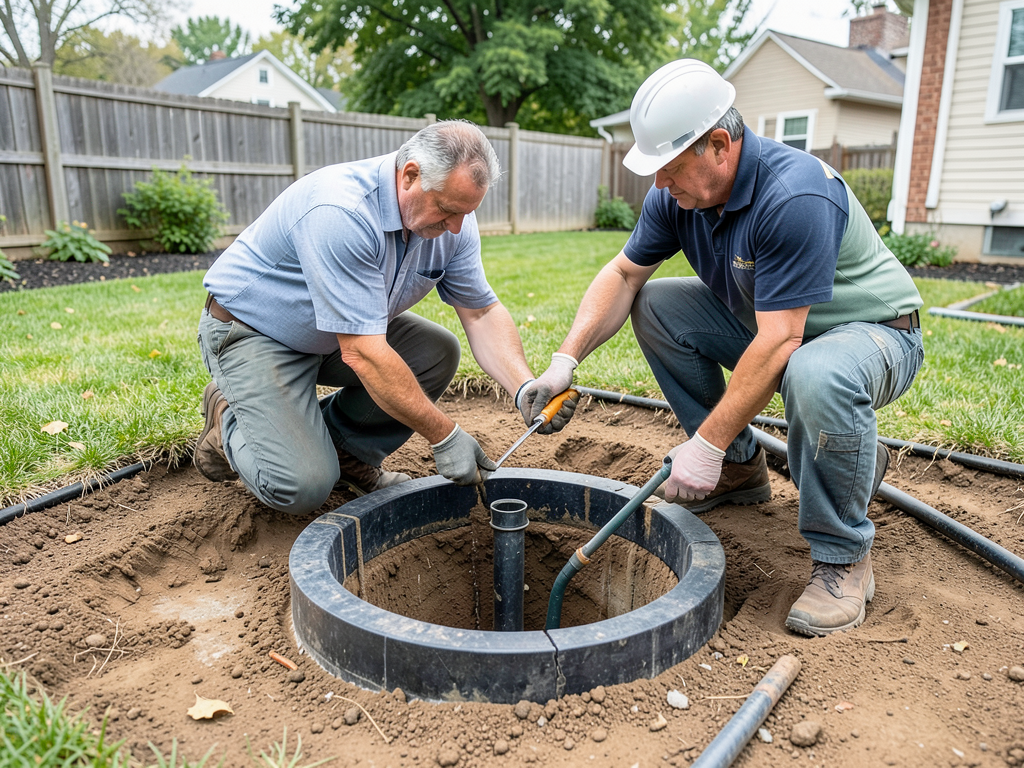
Before you consider expensive regrading or French drains, understand how a dry well works. Water flows from your downspouts or catch basins through buried PVC pipes into a large underground chamber filled with gravel or a pre-cast plastic structure. The water then slowly disperses into the surrounding soil. This system works with gravity, requires no pumps, and handles thousands of gallons during heavy storms. Emergency Water Shut-Off Service.
The Virginia Department of Environmental Quality mandates proper stormwater management for all new construction and major renovations. Richmond’s stormwater regulations require that properties handle runoff from impervious surfaces like roofs and driveways. A dry well installation often satisfies these requirements while solving your standing water problems. Virginia Department of Environmental Quality.
South Side Richmond properties built before 1980 often lack any formal drainage system. Many homes direct downspouts straight to the ground or connect them to combined sewer systems that back up during heavy rain. These older properties benefit most from modern dry well installations that protect both the yard and the home’s foundation. Sewer Line Repairs for Historic Houses in the Museum District.
Installing a dry well requires careful planning and execution. The process starts with a percolation test to determine how quickly your soil absorbs water. This test involves digging a test hole, filling it with water, and measuring how long it takes to drain. Clay soils may require larger or deeper systems to handle the same volume of water as sandy soils.
Local building codes require permits for dry well installations in Richmond. The city’s Department of Public Utilities reviews plans to ensure systems won’t overload the municipal drainage network. Most residential installations in South Side neighborhoods fall under the same permitting requirements as French drains and other subsurface drainage systems. City of Richmond Department of Public Utilities.
Common signs you need a dry well include persistent puddles that last more than 24 hours after rain, water flowing toward your foundation during storms, and grass that dies in low spots despite regular watering. These symptoms indicate your property cannot handle current rainfall volumes.
South Side Richmond’s specific challenges include properties near the James River where the water table sits close to the surface. Homes in Forest Hill Park area often deal with both clay soil and high groundwater levels. These conditions require larger dry well systems or alternative solutions like raised beds and improved grading.
Material selection matters for dry well longevity. Pre-cast concrete chambers offer durability but cost more than plastic alternatives. The gravel backfill layer must use clean, washed stone to prevent sediment from clogging the system. Geotextile fabric wraps the entire system to keep soil out while allowing water flow.
Proper sizing determines system effectiveness. A typical residential dry well for a 2,000-square-foot roof handles about 1,200 gallons from a one-inch rainfall event. South Side Richmond properties often need 30-50 percent more capacity due to clay soil’s slow absorption rates.
Installation costs vary based on soil conditions, system size, and accessibility. Most South Side Richmond homeowners invest $3,000 to $6,000 for a complete dry well system including permits, materials, and labor. Properties with difficult access or poor soil conditions may cost more.
Maintenance requirements remain minimal once installed. The system needs inspection every few years to check for sediment buildup. Catch basins at the system’s inlet prevent debris from entering the dry well. Some homeowners add cleanout ports for easier maintenance access.
Comparing drainage solutions helps you choose the right approach. French drains work well for moving water across slopes but don’t address storage capacity. Sump pumps require electricity and can fail during power outages. Dry wells provide passive, reliable drainage without ongoing energy costs.. Read more about Making Your Sump Pump Quieter Without Sacrificing Performance in Your Fan District Basement.
South Side Richmond’s older neighborhoods like Woodland Heights and Stratford Hills often have mature trees whose roots can invade drainage systems. Dry well installations must account for root barriers and proper pipe depth to prevent damage from expanding root systems.
Climate change impacts drainage needs. Richmond has experienced more frequent heavy rainfall events in recent years. A dry well system installed today must handle larger storm volumes than systems designed even five years ago. Engineers now often oversize systems by 20-30 percent to account for increasing rainfall intensity.
Property values benefit from proper drainage solutions. Home inspectors flag standing water and poor drainage as major concerns. A professionally installed dry well system with proper permits and documentation can actually increase your home’s marketability when selling.
DIY dry well installations rarely succeed. The process requires heavy equipment for excavation, knowledge of local codes, and proper material selection. Many homeowners who attempt DIY solutions discover their systems fail during the first heavy rain, requiring professional remediation at higher costs.
Professional installation includes soil analysis, system design, permit acquisition, and proper backfilling techniques. Experienced contractors know how to navigate Richmond’s specific requirements and can recommend solutions based on your property’s unique conditions.
Seasonal timing affects installation. Spring and fall offer ideal conditions for excavation and material handling. Summer installations may face challenges with dry, hard soil. Winter work becomes difficult when ground freezes, though some contractors use specialized equipment for cold-weather excavation.
Insurance considerations matter for drainage improvements. Some homeowner’s policies offer discounts for flood mitigation measures. Check with your insurance provider about potential savings from installing an approved drainage system that reduces water damage risk.
Integration with existing landscaping requires planning. Dry wells work best when installed during landscape renovations or before planting new gardens. The excavation process can damage existing plants, so timing installation with other yard work minimizes disruption.
Water quality impacts system longevity. Richmond’s water contains minerals that can precipitate in drainage systems over time. Using proper pipe materials and ensuring adequate water flow prevents mineral buildup that could reduce system capacity.
Future expansion possibilities should influence initial design. If you plan to add structures or increase impervious surfaces later, designing the dry well system with extra capacity from the start saves money compared to retrofitting later.
Noise and visual impact remain minimal with dry wells. Unlike sump pumps that create noise and require above-ground discharge, dry wells operate silently underground. The only visible components are inlet grates and cleanout ports that blend with your landscape.
Energy independence appeals to many homeowners. Dry wells require no electricity, making them reliable during power outages when storms often occur. This passive operation contrasts with mechanical systems that fail when you need them most.
Environmental benefits extend beyond your property. By managing stormwater on-site, dry wells reduce the burden on Richmond’s municipal drainage systems. This helps prevent combined sewer overflows that can contaminate the James River during heavy rains. Fixing Main Line Sewer Backups in Bon Air Neighborhoods.
Local success stories demonstrate effectiveness. A Forest Hill homeowner eliminated persistent basement flooding after installing a properly sized dry well system. The $4,200 investment prevented thousands in potential water damage repairs and improved the property’s usability.
Technology advances continue improving dry well systems. New materials offer better durability and easier installation. Smart monitoring systems can now alert homeowners to potential issues before they become problems, though these remain optional additions to basic systems.
Cost factors beyond installation include potential landscape restoration. The excavation process disturbs existing grass and plants. Professional installers often include basic restoration in their quotes, but elaborate landscaping may require additional investment.
Property line considerations affect design. Richmond regulations prohibit directing water onto neighboring properties. Dry well systems must contain water on your property, which may require larger systems or additional retention capacity.
Soil testing accuracy impacts system performance. Some contractors cut corners by skipping proper percolation testing, leading to undersized systems. Reputable installers conduct thorough soil analysis to ensure the design meets your property’s specific needs.
Maintenance contracts provide peace of mind. Some companies offer annual inspections and cleaning services for dry well systems. These typically cost $200-300 per year and include checking for sediment buildup, inspecting inlet structures, and verifying system operation.
Emergency preparedness benefits from good drainage. During hurricane season, properties with proper drainage systems experience less flooding and foundation damage. This protection becomes increasingly valuable as storm intensity increases with climate change.
Community impact matters for neighborhood drainage. When multiple properties install proper drainage, overall neighborhood flooding decreases. Some Richmond communities have organized group installations to achieve better results and potentially lower costs through volume purchasing.
Educational resources help homeowners understand their options. The James River Association offers information about stormwater management best practices. Local extension offices provide soil testing services that help determine appropriate drainage solutions.
Professional certifications indicate expertise. Look for contractors certified in stormwater management or those with specific training in Richmond’s drainage requirements. These credentials suggest familiarity with local conditions and regulations.
System monitoring options continue expanding. While basic dry wells operate passively, some homeowners add simple monitoring to track water levels or detect clogs. These systems typically cost $500-1,000 and provide early warning of potential issues.
Future regulations may affect drainage requirements. Richmond continues updating its stormwater management policies in response to climate change and development pressures. Installing systems that exceed current requirements may provide better long-term protection.
Community resources can help offset costs. Some Richmond neighborhoods qualify for stormwater fee credits when installing approved drainage improvements. Check with the Department of Public Utilities about potential incentives for managing runoff on your property.
Quality installation makes the difference between a system that works for decades versus one that fails quickly. Proper excavation depth, correct pipe slope, and appropriate material selection all impact long-term performance. Cutting corners on any of these elements risks system failure.
Your property’s specific conditions determine the best solution. A professional assessment considers soil type, slope, existing drainage patterns, and your goals for the space. This customized approach ensures the system addresses your actual problems rather than applying a one-size-fits-all solution.
Standing water problems won’t fix themselves. Each rainfall event adds to soil saturation, potentially causing foundation issues or creating mosquito breeding grounds. Taking action now prevents more expensive problems later and makes your yard usable year-round.
Ready to eliminate standing water from your South Side Richmond backyard? Call (804) 602-4944 today to schedule a professional drainage assessment. Our team understands Richmond’s unique soil and weather challenges and can design a dry well system that solves your specific problems. Don’t wait for the next storm to flood your basement or ruin your landscaping.
Frequently Asked Questions
How long does a dry well installation take?
Most residential dry well installations in Richmond take 2-3 days from start to finish. This includes excavation, pipe installation, chamber setup, and backfilling. Weather conditions and soil accessibility can affect the timeline.
Will a dry well work with Richmond’s clay soil?
Yes, but clay soil requires larger or deeper systems than sandy soil. The slow percolation rate means water must be stored longer before dispersing. Professional installers account for this by oversizing systems for clay conditions.
Do I need a permit for a dry well in Richmond?
Yes, Richmond requires permits for dry well installations. The Department of Public Utilities reviews plans to ensure compliance with stormwater management regulations. Professional installers typically handle the permitting process as part of their service.
How much does a dry well cost in Richmond?
Most Richmond homeowners invest $3,000 to $6,000 for a complete dry well system. Costs vary based on system size, soil conditions, and property accessibility. Properties with difficult access or poor soil may cost more.
How do I know if I need a dry well or another drainage solution?
A professional assessment determines the best solution for your specific situation. Signs you need a dry well include persistent puddles, water flowing toward your foundation, and grass dying in low spots. A drainage expert can evaluate your property and recommend the appropriate system.
You may also find this helpful. The Importance of Anti-Siphon Valves for Your Outdoor Faucets in Twin Hickory.
{
“@context”: “https://schema.org”,
“@type”: “BlogPosting”,
“headline”: “Solving Standing Water Issues with a Dry Well in Your South Side Backyard”,
“description”: “Stop soggy yards in Richmond’s South Side. Learn how dry wells solve drainage problems in clay soil. Call (804) 602-4944 for expert installation.”,
“wordCount”: 2107,
“datePublished”: “2026-06-04T12:22:00.000Z”,
“dateModified”: “2026-06-04T12:22:00.000Z”,
“inLanguage”: “en-US”,
“mainEntityOfPage”: {
“@type”: “WebPage”,
“@id”: “https://summitplumbingrichmond.com”
},
“publisher”: {
“@type”: “LocalBusiness”,
“name”: “Summit Plumbing Richmond”,
“url”: “https://summitplumbingrichmond.com”
},
“author”: {
“@type”: “Organization”,
“name”: “Summit Plumbing Richmond”,
“url”: “https://summitplumbingrichmond.com”
},
“image”: {
“@type”: “ImageObject”,
“url”: “https://summitplumbingrichmond.com/wp-content/uploads/2026/03/solving-standing-water-issues-with-a-dry-well-in-y-1.png”
}
}
{
“@context”: “https://schema.org”,
“@type”: “Plumber”,
“name”: “Summit Plumbing Richmond”,
“url”: “https://summitplumbingrichmond.com”,
“address”: {
“@type”: “PostalAddress”,
“addressLocality”: “Richmond”
},
“areaServed”: {
“@type”: “City”,
“name”: “Richmond”
}
}
{
“@context”: “https://schema.org”,
“@type”: “FAQPage”,
“mainEntity”: [
{
“@type”: “Question”,
“name”: “How long does a dry well installation take?”,
“acceptedAnswer”: {
“@type”: “Answer”,
“text”: “Most residential dry well installations in Richmond take 2-3 days from start to finish. This includes excavation, pipe installation, chamber setup, and backfilling. Weather conditions and soil accessibility can affect the timeline.”
}
},
{
“@type”: “Question”,
“name”: “Will a dry well work with Richmond’s clay soil?”,
“acceptedAnswer”: {
“@type”: “Answer”,
“text”: “Yes, but clay soil requires larger or deeper systems than sandy soil. The slow percolation rate means water must be stored longer before dispersing. Professional installers account for this by oversizing systems for clay conditions.”
}
},
{
“@type”: “Question”,
“name”: “Do I need a permit for a dry well in Richmond?”,
“acceptedAnswer”: {
“@type”: “Answer”,
“text”: “Yes, Richmond requires permits for dry well installations. The Department of Public Utilities reviews plans to ensure compliance with stormwater management regulations. Professional installers typically handle the permitting process as part of their service.”
}
},
{
“@type”: “Question”,
“name”: “How much does a dry well cost in Richmond?”,
“acceptedAnswer”: {
“@type”: “Answer”,
“text”: “Most Richmond homeowners invest $3,000 to $6,000 for a complete dry well system. Costs vary based on system size, soil conditions, and property accessibility. Properties with difficult access or poor soil may cost more.”
}
},
{
“@type”: “Question”,
“name”: “How do I know if I need a dry well or another drainage solution?”,
“acceptedAnswer”: {
“@type”: “Answer”,
“text”: “A professional assessment determines the best solution for your specific situation. Signs you need a dry well include persistent puddles, water flowing toward your foundation, and grass dying in low spots. A drainage expert can evaluate your property and recommend the appropriate system.”
}
}
]
}
{
“@context”: “https://schema.org”,
“@type”: “BreadcrumbList”,
“itemListElement”: [
{
“@type”: “ListItem”,
“position”: 1,
“name”: “Home”,
“item”: “https://summitplumbingrichmond.com”
},
{
“@type”: “ListItem”,
“position”: 2,
“name”: “Blog”,
“item”: “https://summitplumbingrichmond.com/blog”
},
{
“@type”: “ListItem”,
“position”: 3,
“name”: “Solving Standing Water Issues with a Dry Well in Your South Side Backyard”
}
]
}
{
“@context”: “https://schema.org”,
“@type”: “Service”,
“serviceType”: “Plumbing”,
“provider”: {
“@type”: “LocalBusiness”,
“name”: “Summit Plumbing Richmond”,
“url”: “https://summitplumbingrichmond.com”
},
“areaServed”: {
“@type”: “City”,
“name”: “Richmond”
},
“description”: “Stop soggy yards in Richmond’s South Side. Learn how dry wells solve drainage problems in clay soil. Call (804) 602-4944 for expert installation.”
}