
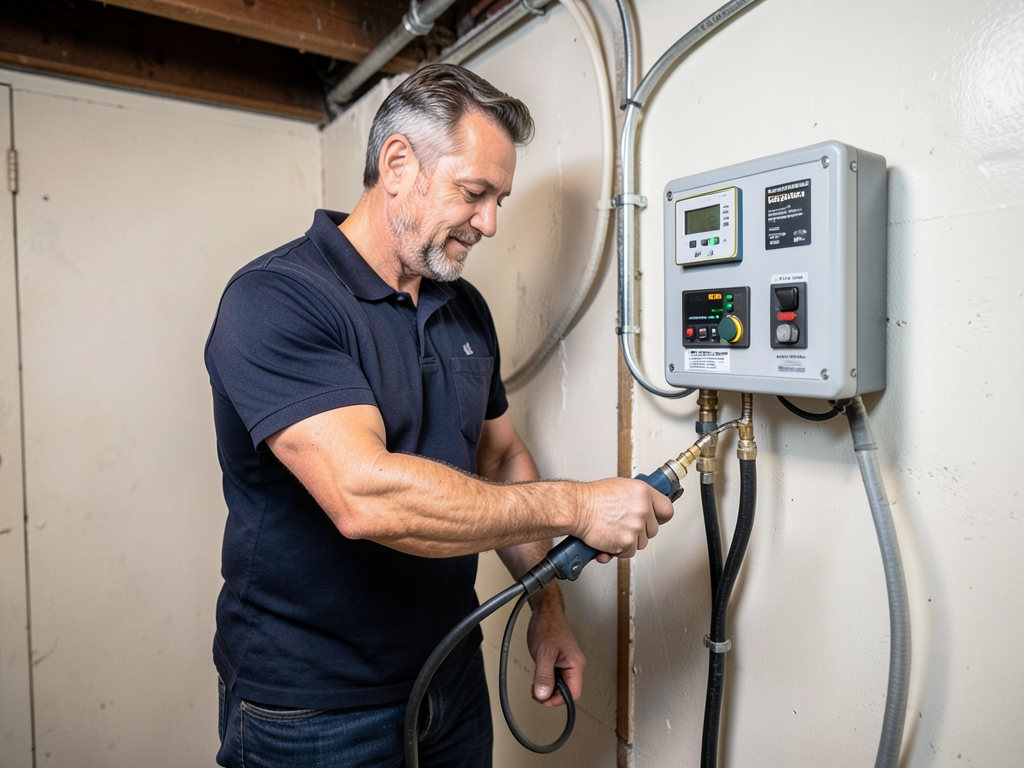
Adding a Battery Backup to Your Sump Pump Before the Next Richmond Storm
Richmond homeowners know the drill. Dark clouds roll in, the James River swells, and within hours your basement could be underwater. That’s the reality of living in a city where heavy rainfall meets aging infrastructure and clay soil that drains slowly. A sump pump is your first line of defense, but when the power goes out during a storm, that defense disappears. A battery backup system keeps your pump running when you need it most, protecting your home from thousands of dollars in water damage. Tankless Water Heater Installation for Modern Homes in Short Pump.
A battery backup isn’t just an add-on. It’s a critical layer of protection that activates automatically when the main power fails. Whether you’re in the Fan District, Church Hill, or near the river in Rocketts Landing, Richmond’s weather patterns make this upgrade essential. The next storm is coming. Don’t wait until your basement is already flooding to realize your sump pump is useless without electricity. Plumbing Richmond.
Why Richmond Homes Need a Battery Backup System
Richmond’s climate creates unique challenges for basement flooding. The city averages over 43 inches of rain annually, with most falling between May and September. When those storms hit, they often bring power outages that knock out your primary sump pump. The James River flood plain affects much of the city, and neighborhoods like Manchester, Shockoe Bottom, and parts of Southside sit in areas with high water tables. Emergency Water Shut-Off Service.
The soil beneath Richmond adds another layer of risk. Expansive red clay absorbs water slowly and expands when wet, putting pressure on foundation walls and increasing hydrostatic pressure on basement drainage systems. During heavy rainfall events, this means your sump pit fills faster and more frequently. Without power, even a high-quality primary pump becomes a useless hunk of metal in your basement.. Read more about Why Your Basement Bathroom Needs a Sewage Ejector Pump in Short Pump.
Virginia’s aging electrical grid compounds the problem. Dominion Energy reports that severe weather causes the majority of power outages in the Richmond area, with some neighborhoods experiencing multiple outages per storm. A battery backup system provides 8 to 48 hours of continuous pumping depending on your pump’s capacity and battery size, giving you crucial time for power to be restored or for waters to recede. Dominion Energy.
>
Types of Backup Systems We Install
Choosing the right backup system depends on your home’s specific needs and your budget. We install two main configurations: DC-only battery systems and AC/DC dual-power systems. Each has distinct advantages for Richmond’s weather patterns.
DC-only systems run exclusively on battery power when the main pump fails. These units activate automatically when they detect either a power outage or water in the pit. They’re simpler and often more affordable, making them popular for homes with reliable primary pumps. However, they only work when needed, so you won’t get the benefits of alternating pump usage to extend the life of both units.
AC/DC systems run on household power under normal conditions but switch to battery backup instantly when power fails. These systems offer the best of both worlds: your primary pump handles routine water removal while the backup remains charged and ready. When storms knock out power, the battery-powered unit takes over without interruption. This configuration also allows both pumps to work together during extreme flooding, doubling your pumping capacity.
Battery technology has evolved significantly. We recommend AGM (Absorbent Glass Mat) batteries for most Richmond installations. These maintenance-free units won’t leak acid if tipped, perform well in the temperature swings common to Virginia basements, and typically last 3 to 5 years with proper care. Traditional lead-acid batteries cost less upfront but require monthly water level checks and proper ventilation due to gas emissions. Virginia Department of Environmental Quality.
Lithium-ion options are emerging but remain expensive for residential applications. While they offer longer lifespans and faster charging, the cost-benefit ratio doesn’t yet favor them for typical Richmond homes. AGM technology provides the best balance of reliability, cost, and maintenance requirements for our local conditions.
Our Professional Installation Process
Installing a battery backup system requires more than just dropping in a new pump. Our process ensures your system will activate when needed and handle Richmond’s heaviest rainfall events. We start with a comprehensive pit inspection to assess your current setup and identify any issues that could compromise backup performance.
The first step involves checking your existing sump pit dimensions and verifying proper drainage. Many Richmond homes, especially those built before 1980, have undersized pits that fill too quickly during storms. We may recommend pit enlargement to provide adequate water storage capacity. This prevents the backup pump from cycling on and off rapidly, which drains the battery faster and reduces overall effectiveness.
Next, we install a high-quality check valve on the discharge line. This prevents water from flowing back into the pit when the pump shuts off, a common issue in Richmond’s high-pressure situations. Without a proper check valve, your backup battery drains unnecessarily as water oscillates in the discharge pipe.
We then mount the battery and control system in a dry, ventilated location near the pit. The control panel monitors power status, battery charge level, and pump operation. It activates the backup automatically when needed and alerts you to any system issues. For Richmond homes, we typically install systems with battery indicators visible from the basement stairs, so you can check status without descending into a potentially flooded area.
Float switch calibration comes next. We adjust both primary and backup float switches to ensure proper activation sequences. The backup float sits slightly higher than the primary, activating only when the main pump can’t keep up or when power fails. This staged approach maximizes battery life and ensures both pumps work together effectively during extreme events.
Finally, we conduct a full system test. We simulate a power outage, fill the pit to trigger both pumps, and verify all alarm functions work correctly. We also check discharge line clearance and confirm the system meets Virginia Uniform Statewide Building Code requirements for residential sump pump installations.
Top-Rated Brands We Trust
We install only proven, reliable equipment from manufacturers with strong warranties and local support. For Richmond’s conditions, we’ve found certain brands consistently outperform others in terms of durability and performance during our heavy storm seasons.
Zoeller pumps lead our recommendations for primary and backup units. Their 507 and 508 models offer excellent reliability and can handle the debris common in Richmond’s older drainage systems. These pumps feature cast iron construction that withstands the acidic conditions sometimes found in local groundwater. Zoeller’s five-year warranty on most models provides peace of mind for homeowners concerned about long-term performance.
Liberty Pumps offers excellent value with their 442 and 457 series. These units provide reliable performance at a lower price point, making them ideal for homes needing backup protection without premium features. Liberty’s composite construction resists corrosion from Richmond’s mineral-rich groundwater, and their customer service responds quickly to any warranty issues.
For battery systems, we prefer Wayne’s ESP25 and Basement Watchdog models. Wayne’s systems include easy-to-read battery indicators and simple maintenance procedures. Basement Watchdog offers excellent value with their dual-float switch design that provides redundancy if one switch fails. Both brands offer models specifically designed for Richmond’s climate conditions.
We avoid generic or off-brand equipment, especially for critical backup systems. During Richmond’s heaviest storms, when you need your backup most, inferior components often fail. The few dollars saved on cheaper equipment aren’t worth the risk of a flooded basement during a hurricane or nor’easter.
Frequently Asked Questions about Sump Pump Backups
How much does battery backup installation cost in Richmond?
Installation costs typically range from $1,200 to $2,500 depending on your existing setup and the system you choose. Basic DC-only systems with AGM batteries start around $1,200, while premium AC/DC systems with larger batteries and advanced monitoring can exceed $2,500. Factors affecting price include pit modifications, discharge line work, and the specific equipment selected.
How long will the battery last during a power outage?
Runtime depends on your pump’s capacity and the battery size. A typical 40-amp-hour AGM battery powers a 1/3 HP pump for 8 to 12 hours of continuous operation. If your pit only fills every few minutes, that battery could last 24 to 48 hours. We recommend systems with battery replacement indicators and consider your neighborhood’s typical outage duration when sizing your system.
Can I install a battery backup myself?
We strongly recommend professional installation for several reasons. First, improper wiring creates shock hazards in wet environments. Second, incorrect float switch positioning can cause the backup to activate too early or too late. Third, local building codes in Henrico, Chesterfield, and Richmond City have specific requirements for sump pump installations that DIYers often miss. Finally, manufacturer warranties typically require professional installation to remain valid.
How often should I test my battery backup system?
Test your system quarterly by pouring water into the pit until both primary and backup pumps activate. Check the battery indicator monthly and replace batteries every 3 to 5 years regardless of apparent performance. Richmond’s high humidity can accelerate battery degradation, so annual professional inspection ensures your system will work when needed.
What happens if the backup pump fails during a storm?
Quality systems include alarm features that alert you to pump failures, low battery, or other issues. Some advanced models send text or email notifications. We recommend systems with dual float switches and visual indicators easily visible from your basement entrance. For homes in flood-prone areas, consider adding a water sensor alarm as additional protection.
Maintaining Your Battery Backup System
Regular maintenance ensures your backup system works when Richmond’s next big storm hits. Unlike your primary pump that runs frequently, backup systems can sit idle for months, making periodic testing crucial for reliability.
Start with visual inspections every three months. Check for corrosion on battery terminals, ensure all connections remain tight, and verify the control panel displays normal operation. Look for signs of rodent damage to wiring, a common issue in Richmond basements. Test the system by lifting the float switch or adding water to the pit, confirming both activation and alarm functions work.
Battery maintenance proves critical for system reliability. AGM batteries require minimal care but benefit from keeping terminals clean and connections tight. Check the battery date code and plan replacement before the 5-year mark, even if the system appears to function correctly. Battery capacity degrades gradually, and you don’t want to discover this degradation during a power outage.
Clean the pump intake screen annually to prevent debris buildup that could reduce flow rates. Richmond’s older homes often have silt or small stones in the drainage system that can clog pump intakes. Remove the pump and inspect the impeller for damage or debris. A damaged impeller significantly reduces pumping capacity when you need it most.
Test alarm batteries quarterly if your system includes battery-powered alarms. These often get overlooked but prove essential when the main power fails. Replace alarm batteries annually, using the same schedule as your smoke detector maintenance to make it easier to remember.
Consider professional maintenance annually, especially if your system is over three years old. A technician can load-test the battery, verify all safety features, and identify potential issues before they cause system failure. This service typically costs $150 to $250 but provides invaluable peace of mind before storm season.
Smart Features for Modern Protection
Technology has transformed sump pump backup systems. Modern units offer features that provide real-time monitoring and alerts, giving Richmond homeowners unprecedented control over their basement protection.
WiFi-enabled systems represent the cutting edge of sump pump protection. These units connect to your home network and send alerts to your smartphone when they activate, when batteries run low, or when system errors occur. Some models integrate with smart home systems, allowing you to monitor your basement’s status from anywhere. During Richmond’s storm season, this means you can receive alerts at work when your system activates, giving you time to check for flooding or contact emergency services if needed.
Advanced monitoring systems track pump cycle history, battery voltage trends, and water level patterns. This data helps identify developing issues before they cause failures. For example, if your system shows increasing cycle frequency over several months, it might indicate changing groundwater conditions or a developing crack in your foundation that needs attention.
Some systems now offer remote testing capabilities. Through smartphone apps, you can activate test cycles, check battery status, and even run diagnostic checks without visiting your basement. This proves especially valuable for Richmond’s investment property owners or those with vacation homes who can’t easily access their basements during storms.
Integration with whole-home generators provides the ultimate protection. When your generator activates during an outage, it powers your primary pump while your battery backup remains fully charged as a redundant layer. This configuration ensures continuous protection even during extended outages that drain backup batteries.
Why Professional Installation Matters
Professional installation ensures your battery backup system meets all local requirements and functions reliably when needed. Virginia’s building codes, particularly in Richmond City and surrounding counties, have specific requirements for sump pump installations that affect everything from discharge locations to alarm requirements.
Local experience proves invaluable for Richmond installations. We understand the specific challenges posed by the city’s clay soil, high water table in certain neighborhoods, and the age and condition of local drainage systems. This knowledge influences everything from pit sizing to discharge line routing, ensuring your system handles real-world conditions effectively.
Professional installation includes proper permitting and code compliance. Chesterfield County, Henrico County, and Richmond City each have slightly different requirements for sump pump installations. We handle all permitting, ensure inspections pass smoothly, and provide documentation for your records. This protects you from potential issues when selling your home or making insurance claims.
Quality installation includes proper wiring and safety measures. Battery backup systems involve both AC and DC power in wet environments, creating shock hazards if installed incorrectly. We use proper conduit, GFCI protection, and ensure all connections remain secure despite the vibration common in pump operation. These details prevent failures and ensure your system operates safely for years.
Professional installation provides warranty protection. Most manufacturers require professional installation to maintain full warranty coverage. Our relationships with major brands mean we can often facilitate warranty claims directly, saving you time and hassle if issues arise. We also provide our own workmanship guarantee, giving you additional protection beyond manufacturer warranties.
Richmond’s Storm History Proves the Need
Looking at Richmond’s recent storm history underscores why battery backup systems aren’t optional upgrades but essential home protections. Hurricane Isabel in 2003 caused widespread flooding and power outages across the region. More recently, the remnants of Hurricane Michael in 2018 dropped over 5 inches of rain on Richmond in 24 hours, overwhelming many drainage systems.
Summer thunderstorms in 2020 caused repeated flash flooding in neighborhoods from Shockoe Bottom to South Richmond. These storms often arrived with little warning, giving homeowners no time to implement emergency measures. Homes with battery backup systems avoided the thousands of dollars in damage suffered by neighbors relying solely on primary pumps.
Winter storms present unique challenges. When heavy snow melts rapidly during a January thaw, combined with winter rainfall, sump pumps work overtime. If that thaw coincides with a power outage, as happened during the 2022 winter storm, homes without backup systems face immediate flooding risk. Battery backups that might sit unused for months prove their worth during these critical periods.
Climate change projections suggest Richmond will experience more frequent heavy rainfall events and more intense storms. The Virginia Department of Environmental Quality reports increasing annual rainfall totals and more days with extreme precipitation. This trend makes battery backup systems increasingly important for protecting your home’s value and your family’s belongings.
Financing Your Protection
Understanding the cost of battery backup installation helps you plan for this important investment. While prices vary based on your specific situation, several factors influence the final cost and potential financing options.
System costs depend primarily on the equipment selected and any necessary modifications to your existing setup. Basic systems with existing properly sized pits might cost as little as $1,200 installed. However, homes requiring pit enlargement, new discharge lines, or electrical upgrades can see costs exceed $2,500. We provide detailed quotes after inspecting your specific situation, ensuring you understand exactly what’s included.
Several factors can increase installation costs. Historic homes in the Fan District or Church Hill often require special considerations due to older construction methods or preservation requirements. Homes with difficult access to the basement or those requiring extensive concrete work will see higher labor costs. However, these situations also often benefit most from backup protection due to the higher value of the properties and contents at risk.
Financing options make battery backup installation more accessible. We offer payment plans for qualified homeowners, allowing you to spread costs over 12 to 60 months. Some homeowners also use home equity lines of credit or credit cards with promotional rates. When considering financing, remember that the cost of flooding damage typically far exceeds the price of prevention.
Insurance premium reductions sometimes offset installation costs. While most standard policies don’t offer discounts for backup systems, some specialty insurers provide premium reductions for homes with comprehensive water protection. Check with your insurance provider about potential savings, as these can make the investment more attractive.
The value proposition becomes clear when comparing installation costs to potential damage. A single flooding incident can cause $5,000 to $20,000 in damage, not including the cost of repairs and the value of irreplaceable personal items. Battery backup installation typically pays for itself by preventing just one flooding event, making it one of the smartest home improvement investments you can make. Sewer Line Repairs for Historic Houses in the Museum District.
Take Action Before the Next Storm
Richmond’s weather patterns are predictable in their unpredictability. Heavy storms will come, power outages will occur, and without proper protection, your basement could flood. A battery backup system provides the insurance your primary pump needs to keep your home dry during Virginia’s worst weather.
Don’t wait until water’s rising to think about backup protection. Installation takes 2 to 4 hours for most homes, and scheduling during dry weather ensures you’re prepared before the next storm hits. Our team can evaluate your current setup, recommend appropriate backup solutions, and install a system that protects your home for years to come.
Call (804) 602-4944 today to schedule your sump pump battery backup consultation. We’ll inspect your existing system, discuss your options, and provide a clear quote with no hidden fees. Richmond’s next big storm is coming. Make sure your home is ready with professional battery backup installation from experienced local plumbers who understand our unique climate challenges.
Pick up the phone and call (804) 602-4944 before the next storm hits. Your basement, your belongings, and your peace of mind are worth protecting. Don’t let a power outage turn your sump pump into a useless fixture while water rises in your basement. Professional installation from Summit Plumbing ensures your home stays dry no matter what Virginia’s weather throws at you. Who to Call for a 24-Hour Plumbing Emergency in Downtown Richmond.
{
“@context”: “https://schema.org”,
“@type”: “BlogPosting”,
“headline”: “Adding a Battery Backup to Your Sump Pump Before the Next Richmond Storm”,
“description”: “Don’t let a power outage flood your Richmond basement. Learn about sump pump battery backup installation, runtime, and maintenance for Virginia’s storm season.”,
“wordCount”: 3203,
“datePublished”: “2026-04-25T12:49:00.000Z”,
“dateModified”: “2026-04-25T12:49:00.000Z”,
“inLanguage”: “en-US”,
“mainEntityOfPage”: {
“@type”: “WebPage”,
“@id”: “https://summitplumbingrichmond.com”
},
“publisher”: {
“@type”: “LocalBusiness”,
“name”: “Summit Plumbing Richmond”,
“url”: “https://summitplumbingrichmond.com”
},
“author”: {
“@type”: “Organization”,
“name”: “Summit Plumbing Richmond”,
“url”: “https://summitplumbingrichmond.com”
},
“image”: {
“@type”: “ImageObject”,
“url”: “https://summitplumbingrichmond.com/wp-content/uploads/2026/03/adding-a-battery-backup-to-your-sump-pump-before-t-1.png”
}
}
{
“@context”: “https://schema.org”,
“@type”: “Plumber”,
“name”: “Summit Plumbing Richmond”,
“url”: “https://summitplumbingrichmond.com”,
“address”: {
“@type”: “PostalAddress”,
“addressLocality”: “Richmond”
},
“areaServed”: {
“@type”: “City”,
“name”: “Richmond”
}
}
{
“@context”: “https://schema.org”,
“@type”: “FAQPage”,
“mainEntity”: [
{
“@type”: “Question”,
“name”: “How much does battery backup installation cost in Richmond?”,
“acceptedAnswer”: {
“@type”: “Answer”,
“text”: “Installation costs typically range from $1,200 to $2,500 depending on your existing setup and the system you choose. Basic DC-only systems with AGM batteries start around $1,200, while premium AC/DC systems with larger batteries and advanced monitoring can exceed $2,500. Factors affecting price include pit modifications, discharge line work, and the specific equipment selected.”
}
},
{
“@type”: “Question”,
“name”: “How long will the battery last during a power outage?”,
“acceptedAnswer”: {
“@type”: “Answer”,
“text”: “Runtime depends on your pump’s capacity and the battery size. A typical 40-amp-hour AGM battery powers a 1/3 HP pump for 8 to 12 hours of continuous operation. If your pit only fills every few minutes, that battery could last 24 to 48 hours. We recommend systems with battery replacement indicators and consider your neighborhood’s typical outage duration when sizing your system.”
}
},
{
“@type”: “Question”,
“name”: “Can I install a battery backup myself?”,
“acceptedAnswer”: {
“@type”: “Answer”,
“text”: “We strongly recommend professional installation for several reasons. First, improper wiring creates shock hazards in wet environments. Second, incorrect float switch positioning can cause the backup to activate too early or too late. Third, local building codes in Henrico, Chesterfield, and Richmond City have specific requirements for sump pump installations that DIYers often miss. Finally, manufacturer warranties typically require professional installation to remain valid.”
}
},
{
“@type”: “Question”,
“name”: “How often should I test my battery backup system?”,
“acceptedAnswer”: {
“@type”: “Answer”,
“text”: “Test your system quarterly by pouring water into the pit until both primary and backup pumps activate. Check the battery indicator monthly and replace batteries every 3 to 5 years regardless of apparent performance. Richmond’s high humidity can accelerate battery degradation, so annual professional inspection ensures your system will work when needed.”
}
},
{
“@type”: “Question”,
“name”: “What happens if the backup pump fails during a storm?”,
“acceptedAnswer”: {
“@type”: “Answer”,
“text”: “Quality systems include alarm features that alert you to pump failures, low battery, or other issues. Some advanced models send text or email notifications. We recommend systems with dual float switches and visual indicators easily visible from your basement entrance. For homes in flood-prone areas, consider adding a water sensor alarm as additional protection.”
}
}
]
}
{
“@context”: “https://schema.org”,
“@type”: “BreadcrumbList”,
“itemListElement”: [
{
“@type”: “ListItem”,
“position”: 1,
“name”: “Home”,
“item”: “https://summitplumbingrichmond.com”
},
{
“@type”: “ListItem”,
“position”: 2,
“name”: “Blog”,
“item”: “https://summitplumbingrichmond.com/blog”
},
{
“@type”: “ListItem”,
“position”: 3,
“name”: “Adding a Battery Backup to Your Sump Pump Before the Next Richmond Storm”
}
]
}
{
“@context”: “https://schema.org”,
“@type”: “Service”,
“serviceType”: “Plumbing”,
“provider”: {
“@type”: “LocalBusiness”,
“name”: “Summit Plumbing Richmond”,
“url”: “https://summitplumbingrichmond.com”
},
“areaServed”: {
“@type”: “City”,
“name”: “Richmond”
},
“description”: “Don’t let a power outage flood your Richmond basement. Learn about sump pump battery backup installation, runtime, and maintenance for Virginia’s storm season.”
}