
Comparing the Best Tankless Water Heater Brands for Richmond Homes
Richmond homeowners face unique challenges when choosing a tankless water heater. Our cold groundwater temperatures dropping to 45-50°F in winter combined with James River-sourced hard water creates specific demands on these systems. The right brand choice means the difference between reliable hot water and costly repairs from scale buildup or inadequate heating capacity. Sewer Line Repairs for Historic Houses in the Museum District.
Local plumbers report that tankless units in the 232xx zip codes typically need 20% more BTU capacity than national recommendations suggest. This guide breaks down which brands handle Richmond’s conditions best and what Richmond-specific rebates are available through Dominion Energy. Dominion Energy Rebates.
Why Tankless Brand Choice Matters in Central Virginia
Richmond’s groundwater temperature averages 55°F year-round, but drops to 45°F during polar vortex events. This means a tankless unit needs to raise water temperature by 65-75°F to deliver 120°F hot water during winter months. Most national brand specifications assume 60°F incoming water, leaving Richmond homes undersized. Tankless Water Heater Installation for Modern Homes in Short Pump.
The James River watershed creates moderately hard water with 5-7 grains per gallon of calcium carbonate. This mineral content affects heat exchanger longevity differently across brands. Some manufacturers build units with scale-detection technology that alerts homeowners before efficiency drops significantly. Emergency Water Shut-Off Service.
Richmond’s mixed housing stock adds another layer of complexity. Historic Fan District homes often need exterior wall penetrations for venting, while newer Short Pump builds can accommodate interior venting. The best brand for your home depends on your specific installation constraints. Plumbing Richmond.
Top Rated Brands: Navien vs. Rinnai vs. Rheem
Three brands dominate the Richmond tankless market based on reliability data from local service calls. Each handles our specific conditions differently.
Navien leads in energy efficiency with their condensing technology achieving up to 98% thermal efficiency. Their heat exchangers use dual stainless steel construction that resists Richmond’s hard water scale better than copper alternatives. However, their electronic controls can be sensitive to power fluctuations common during summer thunderstorms.. Read more about How to Check the Age of Your Water Heater Before it Floods Your Wyndham Garage.
Rinnai offers the most reliable performance in Richmond’s temperature extremes. Their Sensei series includes freeze protection down to -4°F and can maintain flow rates within 5% of specifications even when groundwater drops below 45°F. The trade-off is slightly lower efficiency ratings around 94% compared to Navien’s 98%.. Read more about Why a Point-of-Use Water Heater is a Great Small Space Solution for Oregon Hill Cottages.
Rheem provides the best value for budget-conscious homeowners. Their Performance Platinum series handles Richmond’s hard water adequately with standard copper heat exchangers. While they require more frequent descaling (every 18-24 months vs. 36+ months for stainless steel), the lower upfront cost appeals to many Chesterfield County homeowners.
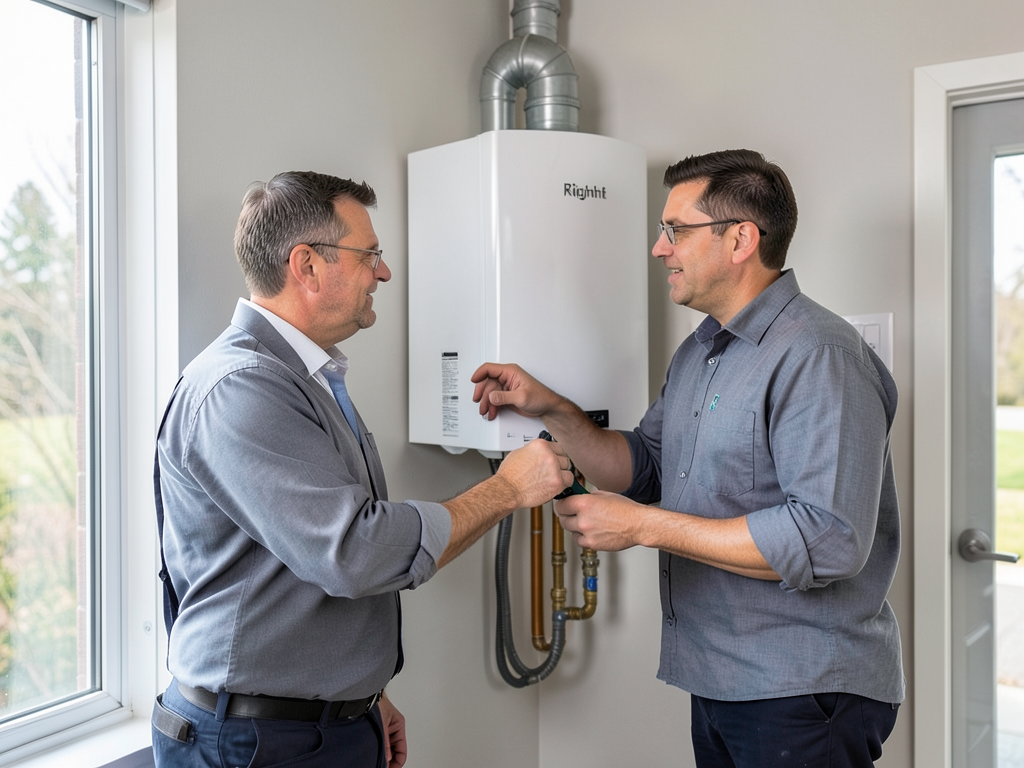
Diagram showing heat exchanger materials comparison between copper, stainless steel, and commercial-grade alloys used in different tankless brands.
Brand Comparison Matrix
| Brand/Model | Max GPM @ 45°F Rise | Warranty (Heat Exchanger/Parts) | Condensing? | Richmond Price Range |
|---|---|---|---|---|
| Navien NPE-A2 Series | 11.2 | 15/5 years | Yes | $2,800-$3,400 |
| Rinnai RUR Series | 9.8 | 12/5 years | Yes | $2,400-$3,000 |
| Rheem Performance Platinum | 8.4 | 12/1 year | No | $1,800-$2,200 |
| Noritz NRC Series | 10.6 | 12/5 years | Yes | $2,600-$3,100 |
Best Brands for Hard Water Management
Richmond’s hard water creates scale buildup that reduces efficiency by up to 30% within three years if not addressed. Different brands handle this challenge through various technologies.
Navien’s Scale Detection System monitors heat exchanger performance and alerts homeowners when efficiency drops below 85%. This early warning prevents the catastrophic failures common in Richmond homes where homeowners don’t realize scale is building until the unit stops working entirely.
Rinnai’s commercial-grade models include a built-in descaling mode that circulates food-grade citric acid through the system automatically. For Richmond’s water hardness, this feature typically activates every 24 months and takes about 90 minutes to complete.
Rheem units require manual descaling using their recommended procedure. Local plumbers report that Richmond homeowners who follow the 18-month descaling schedule maintain 90%+ efficiency, while those who skip it see performance drop to 60-70% within four years.
The Virginia Department of Health reports that homes in the 232xx zip codes using well water instead of municipal supply may have water hardness exceeding 10 grains per gallon. For these homes, brands with superior scale management become even more critical.
Sizing Your Unit for a Richmond Household
Richmond homes require different sizing than national recommendations suggest. The temperature rise needed here means a unit rated for three bathrooms nationally might only handle two in a Richmond home.
For a typical three-bedroom home in the West End, calculate your needs by adding up fixture flow rates. A standard shower uses 2.5 GPM, kitchen sink 1.5 GPM, and dishwasher 1.5 GPM. If two people might shower simultaneously while the dishwasher runs, you need at least 7.5 GPM at a 70°F temperature rise.
Historic homes in the Museum District often have smaller gas lines (3/4″ vs. modern 1″) that limit maximum BTU input to around 150,000. This constraint means even the most efficient brand might not deliver the flow rates their specifications suggest.
New construction in Glen Allen typically has 1″ gas lines supporting up to 200,000 BTU, allowing for larger units that can handle multiple simultaneous demands. However, these homes often have more bathrooms and higher simultaneous usage patterns.
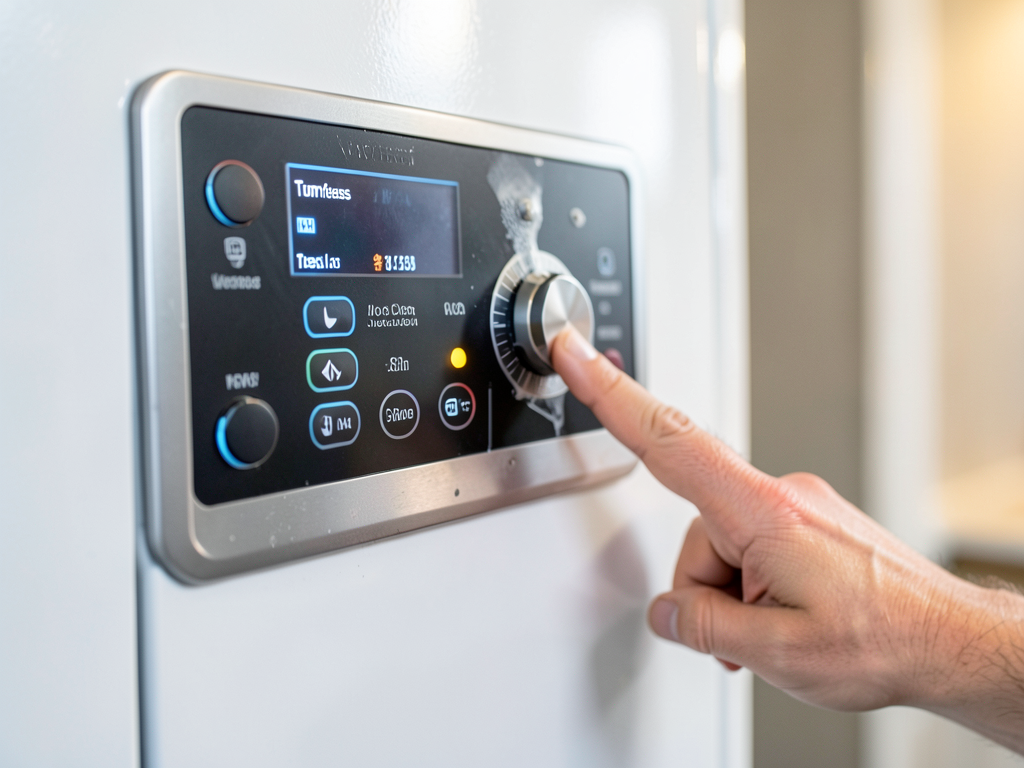
Photo showing a tankless water heater installation in a Richmond crawl space, highlighting the compact size compared to traditional tank units.. Read more about Running a Gas Line for Your New Pool Heater in King’s Charter.
Richmond-Specific Incentives and Rebates
Dominion Energy offers rebates up to $300 for qualifying tankless water heater installations in Richmond homes. The units must achieve at least 0.87 energy factor and be installed by a licensed Virginia contractor.
The Federal Energy Efficient Home Improvement Credit (25C) provides a tax credit of 30% of installation costs up to $1,200 for qualifying tankless units. Richmond homeowners should note that the unit must be Energy Star certified and installed in an existing home. Federal Energy Efficient Home Improvement Credit.
Henrico County offers a property tax exemption for energy efficiency improvements, including tankless water heater installations, that reduce energy consumption by at least 20%. The exemption applies for three years from installation date.
Local plumbers report that combining these incentives can reduce the net cost of a tankless installation by $800-$1,200, making premium brands like Navien more competitive with budget options like Rheem.
Installation Considerations for Richmond Architecture
Richmond’s architectural diversity creates unique installation challenges. Historic homes in the Fan District often lack the wall space for exterior venting required by most condensing units. This forces installation in basements or utility closets with specialized venting through existing chimneys.
Mid-century homes in Bon Air frequently have asbestos-containing materials around original water heaters. Safe removal and proper disposal adds $500-$800 to installation costs but is required by Virginia Department of Professional and Occupational Regulation regulations.
New construction in Short Pump typically has dedicated utility closets with proper ventilation and gas line sizing. These installations proceed most smoothly, often completed in 4-6 hours versus 8-12 hours for historic home retrofits.
Richmond’s humid summers create condensation concerns. Units installed in unconditioned spaces need condensate pumps and drain lines to prevent moisture damage. Some brands include integrated condensate management while others require aftermarket solutions.
Maintenance Requirements by Brand
Richmond’s hard water and humidity create specific maintenance needs that vary by brand. Understanding these requirements helps homeowners choose the right balance of upfront cost versus long-term maintenance.
Navien units require annual maintenance including heat exchanger inspection and cleaning. Their advanced controls track operating hours and water flow, alerting homeowners when maintenance is due. Local service data shows Navien units in Richmond typically need professional cleaning every 24-36 months.
Rinnai’s simpler design requires less frequent but more involved maintenance. Their units need professional inspection every 36 months, but the process takes 2-3 hours versus 1 hour for Navien. The trade-off is fewer service calls over the unit’s lifetime.
Rheem units installed in Richmond homes need the most frequent attention. Local plumbers recommend professional descaling every 18 months and annual inspections. However, the simpler design allows many homeowners to perform basic maintenance themselves, saving on service costs.
All brands benefit from Richmond’s municipal water filtration systems, but homes on well water in Chesterfield County require additional filtration to protect heat exchangers from sediment and mineral buildup.
Frequently Asked Questions
How long do tankless water heaters last in Richmond’s conditions?
Quality tankless units typically last 15-20 years in Richmond when properly maintained. Hard water and humidity can reduce this to 10-12 years without regular descaling and cleaning. Brands with stainless steel heat exchangers generally outlast copper models by 3-5 years in our local conditions.
Are there Virginia tax credits for tankless water heater installations?
Yes, Virginia offers both state and federal tax incentives. The Federal Energy Efficient Home Improvement Credit provides 30% of installation costs up to $1,200 for Energy Star certified units. Dominion Energy also offers rebates up to $300 for qualifying installations by licensed contractors.
Can my older Richmond home support a tankless water heater?
Most Richmond homes can support tankless units, but older homes may need gas line upgrades or venting modifications. Homes built before 1980 often have undersized gas lines that limit unit capacity. A professional assessment determines if your home needs upgrades costing $300-$800.
What size tankless unit do I need for a family of four in Richmond?
A family of four typically needs a unit providing 8-10 GPM at a 70°F temperature rise. In Richmond’s cold groundwater conditions, this usually means a 180,000-200,000 BTU unit. The exact size depends on your home’s simultaneous hot water usage patterns and existing gas line capacity.
Making Your Final Decision
Choosing the right tankless water heater for your Richmond home comes down to balancing several factors: your budget, your home’s specific constraints, and your tolerance for maintenance.
Navien offers the best efficiency and scale management but at a premium price point. Their units make the most sense for new construction or homes where energy savings justify the higher upfront cost.
Rinnai provides the most reliable performance in Richmond’s temperature extremes. Their units handle our cold winters better than competitors, making them ideal for homes where consistent performance matters more than maximum efficiency.
Rheem delivers adequate performance at the lowest price point. For budget-conscious homeowners willing to perform regular maintenance, Rheem units provide reliable hot water without the premium cost of higher-end brands.
Before making your final decision, have a licensed Richmond plumber assess your home’s specific needs. They can verify gas line sizing, determine venting options, and help you qualify for available rebates. The right professional guidance ensures you get a unit that delivers reliable hot water for years to come.
Call (804) 602-4944 today to schedule your tankless water heater consultation. Our Richmond-based team understands the unique challenges our local water quality and climate create and can recommend the perfect brand for your specific home.
Technician performing maintenance on a tankless water heater, showing the scale buildup common in Richmond’s hard water conditions and the cleaning process required to restore efficiency.
Ready to Upgrade?
Don’t wait until your old water heater fails during a winter cold snap. Richmond’s hard water and cold groundwater make tankless water heater selection more critical here than in other regions. The right choice saves you money on energy bills while providing endless hot water for your family.
Pick up the phone and call (804) 602-4944 before the next polar vortex hits. Our team has installed hundreds of tankless units throughout Richmond, from historic Fan District homes to new builds in Short Pump. We’ll help you navigate brand choices, rebates, and installation requirements to find the perfect solution for your home.
Remember, Richmond’s unique conditions require specific expertise. Don’t trust your hot water needs to a company that doesn’t understand our local water quality, building codes, and climate challenges. Choose a Richmond-based team that knows exactly what works in our area.
Call (804) 602-4944 now to schedule your free consultation and take the first step toward endless hot water and lower energy bills.
{
“@context”: “https://schema.org”,
“@type”: “BlogPosting”,
“headline”: “Comparing the Best Tankless Water Heater Brands for Richmond Homes”,
“description”: “Discover which tankless water heater brands perform best in Richmond’s hard water and cold winters. Compare Navien, Rinnai, and Rheem with local performance data.”,
“wordCount”: 1979,
“datePublished”: “2026-04-27T12:09:00.000Z”,
“dateModified”: “2026-04-27T12:09:00.000Z”,
“inLanguage”: “en-US”,
“mainEntityOfPage”: {
“@type”: “WebPage”,
“@id”: “https://summitplumbingrichmond.com”
},
“publisher”: {
“@type”: “LocalBusiness”,
“name”: “Summit Plumbing Richmond”,
“url”: “https://summitplumbingrichmond.com”
},
“author”: {
“@type”: “Organization”,
“name”: “Summit Plumbing Richmond”,
“url”: “https://summitplumbingrichmond.com”
},
“image”: {
“@type”: “ImageObject”,
“url”: “https://summitplumbingrichmond.com/wp-content/uploads/2026/03/comparing-the-best-tankless-water-heater-brands-fo-1.png”
}
}
{
“@context”: “https://schema.org”,
“@type”: “Plumber”,
“name”: “Summit Plumbing Richmond”,
“url”: “https://summitplumbingrichmond.com”,
“address”: {
“@type”: “PostalAddress”,
“addressLocality”: “Richmond”
},
“areaServed”: {
“@type”: “City”,
“name”: “Richmond”
}
}
{
“@context”: “https://schema.org”,
“@type”: “FAQPage”,
“mainEntity”: [
{
“@type”: “Question”,
“name”: “How long do tankless water heaters last in Richmond’s conditions?”,
“acceptedAnswer”: {
“@type”: “Answer”,
“text”: “Quality tankless units typically last 15-20 years in Richmond when properly maintained. Hard water and humidity can reduce this to 10-12 years without regular descaling and cleaning. Brands with stainless steel heat exchangers generally outlast copper models by 3-5 years in our local conditions.”
}
},
{
“@type”: “Question”,
“name”: “Are there Virginia tax credits for tankless water heater installations?”,
“acceptedAnswer”: {
“@type”: “Answer”,
“text”: “Yes, Virginia offers both state and federal tax incentives. The Federal Energy Efficient Home Improvement Credit provides 30% of installation costs up to $1,200 for Energy Star certified units. Dominion Energy also offers rebates up to $300 for qualifying installations by licensed contractors.”
}
},
{
“@type”: “Question”,
“name”: “Can my older Richmond home support a tankless water heater?”,
“acceptedAnswer”: {
“@type”: “Answer”,
“text”: “Most Richmond homes can support tankless units, but older homes may need gas line upgrades or venting modifications. Homes built before 1980 often have undersized gas lines that limit unit capacity. A professional assessment determines if your home needs upgrades costing $300-$800.”
}
},
{
“@type”: “Question”,
“name”: “What size tankless unit do I need for a family of four in Richmond?”,
“acceptedAnswer”: {
“@type”: “Answer”,
“text”: “A family of four typically needs a unit providing 8-10 GPM at a 70°F temperature rise. In Richmond’s cold groundwater conditions, this usually means a 180,000-200,000 BTU unit. The exact size depends on your home’s simultaneous hot water usage patterns and existing gas line capacity.”
}
},
{
“@type”: “Question”,
“name”: “Ready to Upgrade?”,
“acceptedAnswer”: {
“@type”: “Answer”,
“text”: “Don’t wait until your old water heater fails during a winter cold snap. Richmond’s hard water and cold groundwater make tankless water heater selection more critical here than in other regions. The right choice saves you money on energy bills while providing endless hot water for your family.”
}
}
]
}
{
“@context”: “https://schema.org”,
“@type”: “BreadcrumbList”,
“itemListElement”: [
{
“@type”: “ListItem”,
“position”: 1,
“name”: “Home”,
“item”: “https://summitplumbingrichmond.com”
},
{
“@type”: “ListItem”,
“position”: 2,
“name”: “Blog”,
“item”: “https://summitplumbingrichmond.com/blog”
},
{
“@type”: “ListItem”,
“position”: 3,
“name”: “Comparing the Best Tankless Water Heater Brands for Richmond Homes”
}
]
}
{
“@context”: “https://schema.org”,
“@type”: “Service”,
“serviceType”: “Plumbing”,
“provider”: {
“@type”: “LocalBusiness”,
“name”: “Summit Plumbing Richmond”,
“url”: “https://summitplumbingrichmond.com”
},
“areaServed”: {
“@type”: “City”,
“name”: “Richmond”
},
“description”: “Discover which tankless water heater brands perform best in Richmond’s hard water and cold winters. Compare Navien, Rinnai, and Rheem with local performance data.”
}