
What Richmond Homeowners Need to Know Before Adding Plumbing to an Accessory Dwelling Unit (ADU)
Adding plumbing to an Accessory Dwelling Unit in Richmond requires navigating specific city regulations, building codes, and utility requirements that differ from other Virginia localities. The Virginia Uniform Statewide Building Code mandates separate water service connections for detached ADUs, while Richmond’s Department of Public Utilities has unique rules about sewer lateral connections and meter installations. Before breaking ground on your backyard cottage or basement apartment, you need to understand these requirements to avoid costly delays and ensure your project meets all safety standards. Virginia Department of Professional and Occupational Regulation.
Richmond Zoning & Plumbing: Detached vs. Attached ADUs
Richmond’s zoning ordinances create different plumbing requirements based on whether your ADU is detached or attached to your primary residence. Detached ADUs like backyard cottages or garage apartments require independent plumbing systems with separate water and sewer connections. The city’s R-1 through R-8 zoning districts allow ADUs but mandate that detached units have their own utility infrastructure. City of Richmond official website.
Attached ADUs such as basement apartments or converted garage spaces can sometimes share plumbing with the main house, but this depends on your specific property layout and the capacity of existing systems. Homes in Richmond’s historic districts like The Fan or Church Hill often have older plumbing that may need upgrades before supporting an additional unit. Who to Call for a 24-Hour Plumbing Emergency in Downtown Richmond.
The key difference affects both initial installation costs and long-term utility management. Detached units require trenching for new water and sewer lines, while attached units may only need interior modifications. However, attached ADUs must still meet Virginia Residential Code requirements for separate shut-off valves and backflow prevention devices. Sewer Line Repairs for Historic Houses in the Museum District.
Call (804) 602-4944 today to schedule a site assessment and determine which ADU configuration works best for your property.
Key Virginia Building Code (USBC) Standards for ADUs
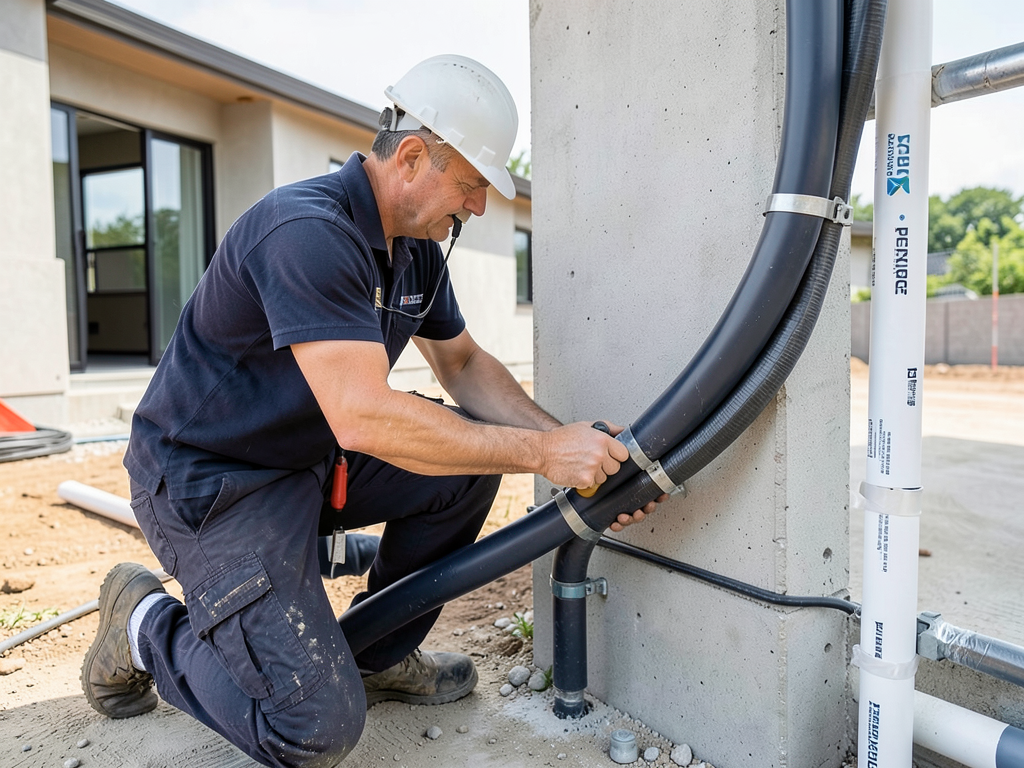
The Virginia Uniform Statewide Building Code establishes specific requirements for ADU plumbing that go beyond standard residential construction. Section P of the VRC covers plumbing systems and requires that ADUs meet the same standards as primary residences, including proper pipe sizing, venting, and drainage. Plumbing Bon Air.
For kitchen plumbing, the code mandates 1.5-inch drain lines for sinks and 2-inch lines for dishwashers. Bathroom fixtures require specific trap sizes: 1.25 inches for lavatories, 1.5 inches for showers, and 3 inches for toilets. These measurements ensure proper drainage and prevent clogs in high-use situations.. Read more about Are Touchless Kitchen Faucets Worth the Upgrade for Your Carver Apartment or Home?.
Venting requirements are particularly important in ADUs where space constraints might tempt builders to take shortcuts. The VRC requires that each fixture have proper venting to prevent sewer gas from entering living spaces. This often means installing AAV (air admittance valves) or traditional vent stacks that extend through the roof. Fixing Main Line Sewer Backups in Bon Air Neighborhoods.
Water pressure must be maintained between 40-80 PSI throughout the ADU. If your property’s existing pressure falls outside this range, pressure regulators must be installed. The code also requires hot water delivery within 30 seconds of turning on a fixture, which may necessitate recirculating pump systems in larger ADUs. Tankless Water Heater Installation for Modern Homes in Short Pump.
<img decoding="async" src="
” alt=”Plumbing schematic showing proper pipe sizing and venting for a typical Richmond ADU configuration”>
Richmond Department of Public Utilities (DPU) Connection Rules
Richmond’s Department of Public Utilities has specific rules that significantly impact ADU plumbing projects. Unlike some neighboring jurisdictions, Richmond generally requires separate water meters for detached ADUs. This means you cannot simply tap into your existing water line and share the meter with your primary residence.. Read more about Why a Point-of-Use Water Heater is a Great Small Space Solution for Oregon Hill Cottages.
The DPU’s policy stems from the need to accurately track water usage and bill accordingly. Separate meters also help identify leaks and reduce disputes between property owners and tenants. However, the DPU does allow sub-metering arrangements where a single meter serves both structures, but this requires special approval and specific backflow prevention devices.
Sewer lateral connections present another consideration. Richmond allows ADUs to connect to the existing sewer lateral if capacity permits, but a capacity test may be required. If your main house’s sewer line cannot handle the additional load, you may need to install a new lateral or a separate septic system if you’re outside the city sewer service area.
Water tap-in fees vary based on pipe size and distance from the main line. For a typical 3/4-inch service line, expect to pay several hundred dollars in tap fees plus the cost of trenching and pipe installation. The DPU requires permits for all new connections and conducts inspections before activating service.
The Permit Process: Navigating the Richmond City Hall Paperwork
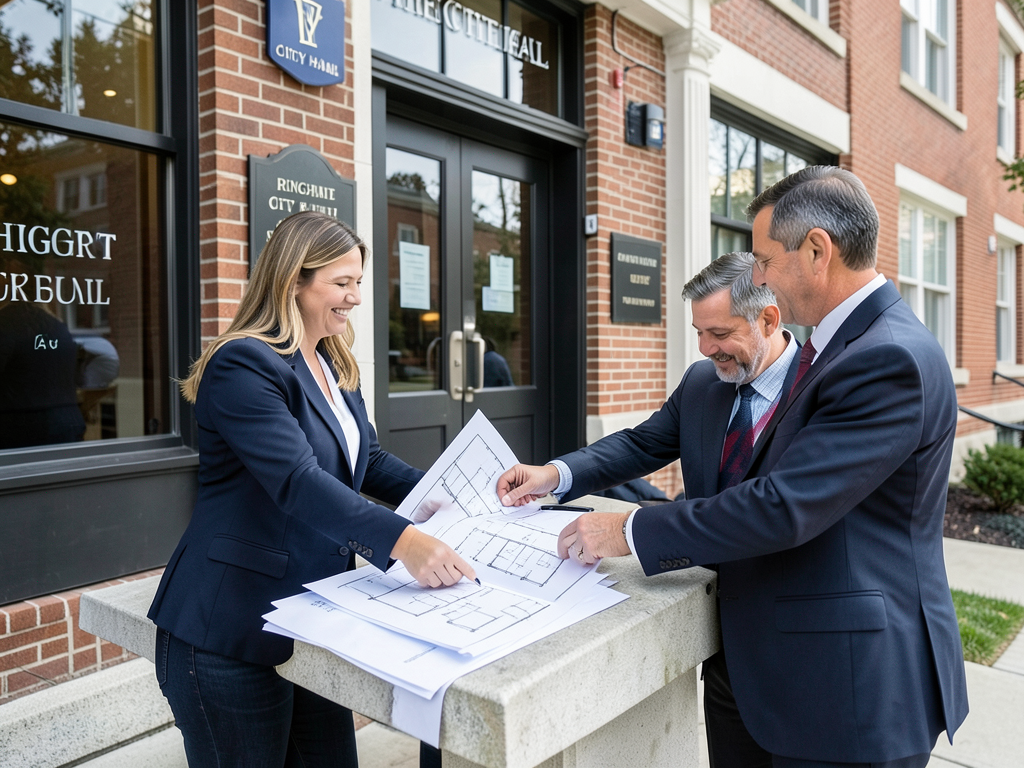
Obtaining plumbing permits for an ADU in Richmond involves multiple steps and agencies. The process starts at the Richmond Department of Building and Housing, where you’ll submit detailed plumbing plans for review. These plans must show fixture locations, pipe routing, venting configurations, and utility connections.
The typical permit timeline spans 2-4 weeks for plan review, though complex projects may take longer. During review, city inspectors check your plans against the VRC, International Plumbing Code, and local amendments. They may request revisions if your design doesn’t meet current standards.
Once approved, you’ll receive your permit and pay the associated fees. Richmond’s plumbing permit fees are based on project scope and typically range from $200 to $1,000 for ADU projects. You’ll also need separate permits for electrical, HVAC, and building work if your ADU includes those systems.
Inspections occur at key construction phases: after rough-in plumbing installation, before wall closure, and during final inspection. The rough-in inspection verifies that pipes are properly sized, supported, and vented before walls are closed up. Missing any inspection can result in stop-work orders and project delays.
<img decoding="async" src="
” alt=”Richmond City Hall permit office where homeowners submit ADU plumbing plans for approval”>
Common Plumbing Challenges in Historic Richmond Districts
Building ADUs in Richmond’s historic districts presents unique plumbing challenges that homeowners in newer areas don’t face. Properties in neighborhoods like Church Hill, The Fan, and Jackson Ward often have aging infrastructure with clay sewer lines, galvanized steel supply pipes, or even lead service lines.. Read more about The Hidden Challenges of Moving Your Kitchen Sink to an Island in Magnolia Ridge.
Clay sewer pipes, common in homes built before 1970, become brittle with age and are prone to root intrusion. When adding an ADU, you may discover that your existing lateral needs replacement rather than simple connection. This can add thousands to your project budget but prevents future sewage backups.. Read more about Why Your Stratford Hills Yard Needs a French Drain instead of a Simple Sump Pump.
Galvanized steel pipes, while code-compliant when installed, corrode from the inside over decades. These pipes often have reduced internal diameter by the time homeowners consider ADUs, limiting water flow to new fixtures. Replacing galvanized lines with copper or PEX during your ADU project future-proofs your entire property.
Lead service lines, though less common, still exist in some of Richmond’s oldest neighborhoods. The EPA’s Lead and Copper Rule requires replacement of lead service lines when discovered during construction. Summit Plumbing uses XRF analyzers to detect lead in pipes before beginning work, ensuring compliance and safety.
Historic district regulations may also limit where you can run new plumbing lines. Exterior modifications often require approval from the Richmond Board of Architectural Review, which may restrict visible pipes or require specific materials that match the neighborhood character.
Winterization and Pipe Insulation Depth for Richmond’s Climate
Richmond’s climate, with occasional Arctic blasts and Polar Vortex events, requires specific winterization strategies for ADU plumbing. While our winters are generally mild, temperatures can drop into the teens, causing unprotected pipes to freeze and burst.
The Virginia Plumbing Code requires that pipes be protected from freezing based on local climate data. In Richmond, this means burying water supply lines at least 12 inches below grade, though 18 inches provides better protection during extreme cold snaps. Above-ground pipes in unconditioned spaces need insulation rated for local temperatures.
For ADUs with crawl spaces or unheated basements, heat tape installation may be necessary. Modern self-regulating heat cables automatically adjust their output based on ambient temperature, providing efficient freeze protection without constant electricity consumption.
Exterior hose bibs require frost-free sillcocks that extend into conditioned space. These fixtures prevent freezing by shutting off water flow inside the warm building envelope rather than at the exterior wall. All exterior connections should include vacuum breakers to prevent backflow contamination.
During particularly cold periods, allowing a small trickle of water to flow through pipes can prevent freezing. This works because moving water freezes at a lower temperature than standing water. ADU tenants should know this simple trick to avoid costly water damage from burst pipes.
Cost Factors and Budgeting for ADU Plumbing
ADU plumbing costs in Richmond vary widely based on project complexity, property conditions, and system requirements. A basic detached ADU with standard fixtures typically costs $8,000 to $15,000 for complete plumbing installation. This includes all pipes, fixtures, permits, and connection fees.
Properties requiring extensive excavation or those with difficult utility access can push costs higher. Trenching through rocky soil or under existing structures adds labor time and specialized equipment needs. Similarly, properties far from existing water mains may require longer service lines, increasing both material and permit costs.
Historic properties often incur additional costs due to the need for specialized materials or techniques to preserve architectural integrity. Working with lead pipes or clay sewer lines requires licensed professionals with specific experience, which commands premium rates compared to standard installations.
High-efficiency fixtures and water-saving technologies, while increasing upfront costs, can provide long-term savings through reduced utility bills. Richmond’s Department of Public Utilities offers rebates for certain water-efficient fixtures, which can offset some of the initial investment in better plumbing systems.
Always budget 15-20% above your initial estimate for unexpected issues common in renovation projects. Discovering hidden problems like deteriorated pipes or inadequate sewer capacity during construction is normal, and having contingency funds prevents project delays.
Greywater Systems and Sustainable Plumbing Options
Richmond homeowners increasingly request greywater systems for ADUs as part of sustainable building practices. These systems capture water from sinks, showers, and washing machines for reuse in irrigation or toilet flushing, reducing overall water consumption by 30-50%.
Virginia’s plumbing code allows greywater systems but requires specific design features to prevent cross-connection with potable water supplies. Systems must include filters, pumps, and clearly labeled distribution lines. Local health departments may require additional permits for systems that store greywater for more than 24 hours.
Rainwater harvesting systems complement greywater setups by capturing roof runoff for non-potable uses. These systems require first-flush diverters to remove debris and mosquito screens to prevent breeding. Storage tanks must be opaque and vented to prevent algae growth and maintain water quality.
High-efficiency fixtures reduce both water and energy consumption. Low-flow toilets using 1.28 gallons per flush or less, WaterSense-labeled showerheads, and faucet aerators all contribute to sustainability goals while meeting or exceeding performance expectations. These fixtures often qualify for utility rebates in Richmond.
Solar water heaters can provide hot water for ADUs without connecting to the main house’s system. These units use rooftop collectors to heat water directly or through a heat exchanger, reducing both energy costs and the load on existing water heaters.. Read more about Running a Gas Line for Your New Pool Heater in King’s Charter.
Backflow Prevention and Cross-Connection Control
Backflow prevention is critical for ADU plumbing to protect both the dwelling and the public water supply from contamination. Richmond’s plumbing code requires testable backflow prevention assemblies on all new connections where there’s a risk of contamination.
Reduced Pressure Zone (RPZ) assemblies are the most common backflow preventers for ADUs. These devices use two check valves with a pressure relief valve between them, providing redundant protection against backsiphonage and backpressure. RPZ assemblies must be tested annually by certified testers to ensure they function correctly.
Atmospheric vacuum breakers provide simpler protection for individual fixtures like hose bibs or irrigation systems. These devices allow air to enter the system if backsiphonage occurs, breaking the vacuum that could draw contaminated water back into the supply. While less expensive than RPZ assemblies, they’re only suitable for low-hazard applications.
Cross-connection control surveys identify potential contamination points in your plumbing system. During ADU construction, plumbers must ensure that potable water lines cannot connect to non-potable systems like irrigation, boilers, or chemical lines. Even accidental connections can create serious health hazards.
Richmond’s Department of Public Utilities maintains a cross-connection control program that may require documentation of backflow prevention measures before activating water service to new ADUs. Failure to provide this documentation can delay your project and potentially result in fines.
Water Heater Sizing and Energy Efficiency for ADUs
Properly sizing water heaters for ADUs ensures adequate hot water while maximizing energy efficiency. The Virginia Energy Conservation Code requires that water heaters meet specific efficiency standards based on their capacity and fuel type.
For small ADUs under 600 square feet, a 30-40 gallon water heater typically suffices. Medium ADUs up to 1,000 square feet may need 40-50 gallon units, while larger units or those with multiple bathrooms require 50-80 gallon heaters. Tankless water heaters offer an alternative that provides unlimited hot water while saving space.
Energy factor (EF) ratings indicate water heater efficiency. Higher EF ratings mean less energy waste, though units with better ratings often cost more upfront. In Richmond’s climate, where ambient temperatures rarely drop below freezing, heat pump water heaters can achieve EF ratings of 2.0 or higher, significantly reducing operating costs.
Recirculation systems eliminate the wait for hot water at fixtures, saving both water and energy. These systems use either continuous pumps or on-demand activation to keep hot water moving through pipes. While they increase energy use slightly, they often save more water than they consume in energy.
Proper pipe insulation reduces heat loss in both supply and return lines. Insulating the first 10 feet of hot water pipe from the heater, along with any pipes running through unconditioned spaces, can reduce standby heat loss by 20-25%.
Choosing the Right Plumbing Materials for Richmond ADUs
Material selection for ADU plumbing affects both initial costs and long-term performance. Modern PEX (cross-linked polyethylene) piping has become the standard for residential water supply lines due to its flexibility, resistance to freezing, and lower installation costs compared to copper.
PEX handles Richmond’s temperature fluctuations well, expanding slightly when water freezes rather than bursting like rigid pipes. It also resists scale buildup common in areas with hard water. However, PEX cannot be used directly connected to water heaters and requires special fittings at transition points.
Copper remains popular for its durability and proven track record. Type L copper, with its thicker walls, works well for both supply and DWV (drain-waste-vent) applications. While more expensive than PEX and requiring more skilled installation, copper resists UV damage and handles high temperatures better than plastic alternatives.
CPVC (chlorinated polyvinyl chloride) offers an intermediate option between PEX and copper. It handles higher temperatures than standard PVC and costs less than copper, though it’s more rigid than PEX and can become brittle with age. CPVC works well for hot and cold water distribution in ADUs.
For drain lines, PVC remains the standard due to its chemical resistance, smooth interior that prevents clogs, and ease of installation. Cast iron, while more expensive, provides better sound dampening for pipes running through living spaces and resists fire penetration better than plastic alternatives.
Final Inspection and Occupancy Requirements
The final inspection represents the last hurdle before your ADU becomes fully functional. Richmond requires a comprehensive inspection covering all plumbing systems, including pressure testing of supply lines, verification of proper venting, and confirmation that all fixtures operate correctly.
During final inspection, the inspector checks for proper pipe support, adequate clearances around fixtures, and correct installation of backflow prevention devices. They also verify that all required permits are finaled and that any outstanding fees are paid. Missing even one small detail can result in failed inspection and project delays.
Pressure testing involves pressurizing the entire water supply system to 1.5 times the working pressure and holding it for a specified period. Any drop in pressure indicates leaks that must be located and repaired before final approval. This test ensures system integrity before walls are closed and finishes installed.
Once plumbing passes inspection, you can apply for a Certificate of Occupancy if your ADU is a complete dwelling unit. This certificate, issued by the Department of Building and Housing, confirms that your ADU meets all applicable codes and can be legally occupied.
Post-occupancy considerations include providing tenants with information about the plumbing system, including shut-off valve locations and basic maintenance procedures. Clear communication prevents emergency calls for minor issues and helps tenants use the system properly.
Frequently Asked Questions
How long does it take to get plumbing permits for an ADU in Richmond?
Plan review typically takes 2-4 weeks, though complex projects may require additional time. After approval, you can expect 1-2 weeks for permit issuance and fee payment. Starting the permit process early prevents construction delays.
Can I use my existing water meter for a new ADU?
Richmond generally requires separate water meters for detached ADUs. Attached units may share meters with proper backflow prevention, but you’ll need DPU approval. Sub-metering arrangements are possible but require specific equipment and permits.
What’s the average cost for ADU plumbing in Richmond?
Basic ADU plumbing installation typically costs $8,000 to $15,000, depending on size and complexity. Historic properties or those requiring extensive excavation may cost more. Always budget 15-20% extra for unexpected issues.
Do I need a licensed plumber for ADU work in Richmond?
Yes, Virginia law requires that all plumbing work be performed by licensed master plumbers or their supervised journeymen. This ensures work meets code requirements and maintains safety standards. Unlicensed work can result in failed inspections and legal issues.
How deep should water lines be buried in Richmond?
Richmond’s plumbing code requires water supply lines to be buried at least 12 inches below grade, though 18 inches provides better freeze protection during extreme cold. Lines in unconditioned spaces need proper insulation rated for local temperatures.
What happens if my sewer line can’t handle an ADU?
If capacity testing shows your existing sewer lateral cannot handle the additional load, you’ll need to install a new lateral or explore alternatives like separate septic systems if outside city sewer service. The DPU can help determine your options.
Are there any rebates for water-efficient fixtures in Richmond?
Richmond’s Department of Public Utilities offers rebates for certain high-efficiency fixtures, including toilets that use 1.28 gallons per flush or less. Check their current programs before purchasing fixtures to maximize savings.
How do I know if my historic home can support an ADU?
A professional assessment of your existing plumbing, electrical, and structural systems determines ADU feasibility. Summit Plumbing offers comprehensive evaluations that identify potential issues before you invest in design plans, saving you time and money.
Ready to add an ADU to your Richmond property? Call (804) 602-4944 today to schedule your professional assessment and get started on your project the right way.
Adding plumbing to an ADU in Richmond requires careful planning, proper permits, and expert installation to ensure your project meets all local requirements. From navigating the Department of Public Utilities’ connection rules to understanding Virginia’s building codes, each step demands attention to detail and professional knowledge. Don’t risk costly mistakes or failed inspections by attempting this complex work yourself. Summit Plumbing’s licensed professionals have extensive experience with Richmond ADU projects and can guide you through every phase, from initial design to final inspection. Contact us at (804) 602-4944 to schedule your consultation and take the first step toward completing your ADU with confidence.
{
“@context”: “https://schema.org”,
“@type”: “BlogPosting”,
“headline”: “What Richmond Homeowners Need to Know Before Adding Plumbing to an Accessory Dwelling Unit (ADU)”,
“description”: “Learn Richmond-specific plumbing requirements for ADUs including permits, DPU rules, and building codes. Get expert guidance from Summit Plumbing.”,
“wordCount”: 3248,
“datePublished”: “2026-04-30T10:15:00.000Z”,
“dateModified”: “2026-04-30T10:15:00.000Z”,
“inLanguage”: “en-US”,
“mainEntityOfPage”: {
“@type”: “WebPage”,
“@id”: “https://summitplumbingrichmond.com”
},
“publisher”: {
“@type”: “LocalBusiness”,
“name”: “Summit Plumbing Richmond”,
“url”: “https://summitplumbingrichmond.com”
},
“author”: {
“@type”: “Organization”,
“name”: “Summit Plumbing Richmond”,
“url”: “https://summitplumbingrichmond.com”
},
“image”: {
“@type”: “ImageObject”,
“url”: “https://summitplumbingrichmond.com/wp-content/uploads/2026/03/what-richmond-homeowners-need-to-know-before-addin-1.png”
}
}
{
“@context”: “https://schema.org”,
“@type”: “Plumber”,
“name”: “Summit Plumbing Richmond”,
“url”: “https://summitplumbingrichmond.com”,
“address”: {
“@type”: “PostalAddress”,
“addressLocality”: “Richmond”
},
“areaServed”: {
“@type”: “City”,
“name”: “Richmond”
}
}
{
“@context”: “https://schema.org”,
“@type”: “FAQPage”,
“mainEntity”: [
{
“@type”: “Question”,
“name”: “How long does it take to get plumbing permits for an ADU in Richmond?”,
“acceptedAnswer”: {
“@type”: “Answer”,
“text”: “Plan review typically takes 2-4 weeks, though complex projects may require additional time. After approval, you can expect 1-2 weeks for permit issuance and fee payment. Starting the permit process early prevents construction delays.”
}
},
{
“@type”: “Question”,
“name”: “Can I use my existing water meter for a new ADU?”,
“acceptedAnswer”: {
“@type”: “Answer”,
“text”: “Richmond generally requires separate water meters for detached ADUs. Attached units may share meters with proper backflow prevention, but you’ll need DPU approval. Sub-metering arrangements are possible but require specific equipment and permits.”
}
},
{
“@type”: “Question”,
“name”: “What’s the average cost for ADU plumbing in Richmond?”,
“acceptedAnswer”: {
“@type”: “Answer”,
“text”: “Basic ADU plumbing installation typically costs $8,000 to $15,000, depending on size and complexity. Historic properties or those requiring extensive excavation may cost more. Always budget 15-20% extra for unexpected issues.”
}
},
{
“@type”: “Question”,
“name”: “Do I need a licensed plumber for ADU work in Richmond?”,
“acceptedAnswer”: {
“@type”: “Answer”,
“text”: “Yes, Virginia law requires that all plumbing work be performed by licensed master plumbers or their supervised journeymen. This ensures work meets code requirements and maintains safety standards. Unlicensed work can result in failed inspections and legal issues.”
}
},
{
“@type”: “Question”,
“name”: “What happens if my sewer line can’t handle an ADU?”,
“acceptedAnswer”: {
“@type”: “Answer”,
“text”: “If capacity testing shows your existing sewer lateral cannot handle the additional load, you’ll need to install a new lateral or explore alternatives like separate septic systems if outside city sewer service. The DPU can help determine your options.”
}
},
{
“@type”: “Question”,
“name”: “Are there any rebates for water-efficient fixtures in Richmond?”,
“acceptedAnswer”: {
“@type”: “Answer”,
“text”: “Richmond’s Department of Public Utilities offers rebates for certain high-efficiency fixtures, including toilets that use 1.28 gallons per flush or less. Check their current programs before purchasing fixtures to maximize savings.”
}
},
{
“@type”: “Question”,
“name”: “How do I know if my historic home can support an ADU?”,
“acceptedAnswer”: {
“@type”: “Answer”,
“text”: “A professional assessment of your existing plumbing, electrical, and structural systems determines ADU feasibility. Summit Plumbing offers comprehensive evaluations that identify potential issues before you invest in design plans, saving you time and money.”
}
}
]
}
{
“@context”: “https://schema.org”,
“@type”: “BreadcrumbList”,
“itemListElement”: [
{
“@type”: “ListItem”,
“position”: 1,
“name”: “Home”,
“item”: “https://summitplumbingrichmond.com”
},
{
“@type”: “ListItem”,
“position”: 2,
“name”: “Blog”,
“item”: “https://summitplumbingrichmond.com/blog”
},
{
“@type”: “ListItem”,
“position”: 3,
“name”: “What Richmond Homeowners Need to Know Before Adding Plumbing to an Accessory Dwelling Unit (ADU)”
}
]
}
{
“@context”: “https://schema.org”,
“@type”: “Service”,
“serviceType”: “Plumbing”,
“provider”: {
“@type”: “LocalBusiness”,
“name”: “Summit Plumbing Richmond”,
“url”: “https://summitplumbingrichmond.com”
},
“areaServed”: {
“@type”: “City”,
“name”: “Richmond”
},
“description”: “Learn Richmond-specific plumbing requirements for ADUs including permits, DPU rules, and building codes. Get expert guidance from Summit Plumbing.”
}