
Why Your Basement Smells Musty and How to Improve Air Quality
Your basement smells musty because moisture from Richmond’s humid climate seeps through foundation walls creating the perfect environment for mold and mildew growth. The James River basin’s high water table combined with Virginia’s clay soil traps groundwater against your home’s foundation. This moisture evaporates into your basement air creating that distinctive damp odor you notice when you walk downstairs. Virginia Department of Professional and Occupational Regulation.
Musty basement smells in Richmond aren’t just unpleasant. They signal underlying moisture problems that can damage your home’s structure and affect your family’s health. The good news is that professional plumbing solutions can eliminate these odors at their source rather than just masking them with air fresheners. Who to Call for a 24-Hour Plumbing Emergency in Downtown Richmond.
Common Causes of Musty Basement Odors in Richmond Homes
Richmond’s unique geography creates specific challenges for basement air quality. The city sits in the James River watershed where annual rainfall exceeds 45 inches and humidity levels often reach 85 percent during summer months. Tankless Water Heater Installation for Modern Homes in Short Pump.
Water constantly presses against your foundation walls through a process called hydrostatic pressure. Virginia’s expansive clay soil absorbs water like a sponge swelling against your basement walls. This pressure forces moisture through even tiny cracks in concrete creating damp spots where mold thrives.. Read more about Why Your Basement Bathroom Needs a Sewage Ejector Pump in Short Pump.
Older Richmond neighborhoods face additional challenges. Homes built before 1980 often lack proper vapor barriers and drainage systems. The Fan District’s historic row houses frequently experience sewer gas infiltration through dried-out floor drains and P-traps. Sewer Line Repairs for Historic Houses in the Museum District.
Modern construction in areas like Short Pump isn’t immune either. Improper grading around new homes can direct rainwater toward foundations instead of away from them. Even high-efficiency HVAC systems can contribute by creating condensation on poorly insulated ductwork.
Health Risks Associated with Musty Basement Air
That musty smell isn’t just unpleasant. It indicates biological growth that releases spores and volatile organic compounds into your breathing air. These microscopic particles can trigger allergies, asthma attacks, and respiratory infections.
Black mold commonly grows in damp Richmond basements. This toxic mold produces mycotoxins that can cause headaches, fatigue, and immune system suppression. Children and elderly family members face the highest risk from prolonged exposure.
Sewer gas infiltration poses another serious health threat. This colorless gas contains hydrogen sulfide and methane. Low concentrations cause eye irritation and nausea while high concentrations can cause unconsciousness or death. The characteristic rotten egg smell often accompanies sewer gas leaks. Fixing Main Line Sewer Backups in Bon Air Neighborhoods.
Radon gas represents an invisible danger in many Richmond homes. This naturally occurring radioactive gas enters through foundation cracks and accumulates in basements. The EPA estimates radon causes 21,000 lung cancer deaths annually making it the second leading cause of lung cancer after smoking. EPA Mold Information.
Professional Diagnostic Process for Basement Odors
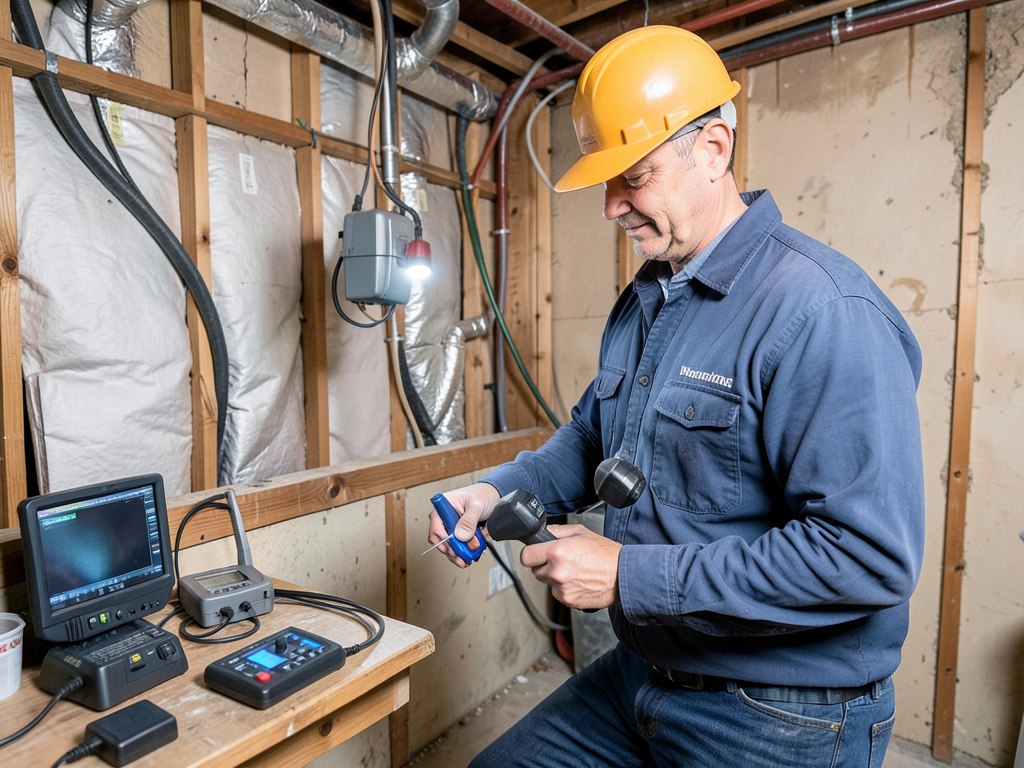
Summit Plumbing uses a systematic approach to identify the exact source of basement odors. Our technicians begin with a visual inspection looking for water stains, efflorescence, and mold growth patterns. Plumbing Bon Air.
We test for sewer gas using specialized detectors that measure methane and hydrogen sulfide levels. These instruments can pinpoint gas leaks even when odors aren’t noticeable. We also check all floor drains and P-traps to ensure they contain water barriers preventing gas infiltration.. Read more about Replacing the Old Cast Iron Drain Pipes in Your Lakeside Rancher.
Moisture meters help us identify hidden damp areas within walls and floors. We measure humidity levels at different heights since warm air rises carrying moisture upward. Infrared cameras reveal temperature differences that indicate water intrusion behind finished walls.
Foundation integrity testing involves checking for cracks, bowing walls, and drainage system failures. We examine exterior grading and downspout connections to identify water management issues contributing to basement moisture.
Air quality sampling provides concrete data about mold spore counts and other contaminants. This testing helps determine if remediation efforts successfully eliminate the odor sources rather than just covering them up.
Effective Solutions for Eliminating Basement Odors
Professional odor elimination requires addressing the moisture source rather than just treating symptoms. Our comprehensive approach targets all potential causes simultaneously.
French drain installation redirects groundwater away from your foundation. These perforated pipes surrounded by gravel collect water before it reaches your basement walls. The collected water flows to a sump pump for safe disposal away from your home’s foundation.
Sump pump systems provide active water removal when gravity drainage isn’t sufficient. Modern pumps include battery backups ensuring operation during power outages when flooding risks increase. We install high-capacity pumps capable of handling Richmond’s heaviest rainfall events.. Read more about Adding a Battery Backup to Your Sump Pump Before the Next Richmond Storm.
Foundation crack repair using epoxy injection seals water entry points permanently. This process fills cracks from inside to outside creating a waterproof barrier. For severe foundation issues we recommend exterior waterproofing membranes that prevent water contact entirely.
Dehumidification systems maintain optimal humidity levels between 30 and 50 percent. These units include automatic drainage connections eliminating the need to empty collection buckets. Proper sizing ensures adequate moisture removal for your basement’s cubic footage.
Floor drain maintenance involves cleaning and ensuring proper P-trap function. We install automatic drain trap primers that periodically add water to prevent sewer gas infiltration during dry periods.
Preventative Maintenance for Long-Term Air Quality
Regular maintenance prevents musty odors from returning after initial remediation. We recommend quarterly inspections of your basement’s moisture control systems.
Sump pump testing involves pouring water into the pit to verify automatic activation. Check discharge pipes for clogs and ensure they direct water at least ten feet from your foundation. Replace sump pump batteries every two years even if they appear functional.
Dehumidifier filter cleaning improves efficiency and prevents mold growth within the unit. Empty collection buckets regularly and check drainage lines for clogs. Monitor humidity readings to ensure your system maintains target levels.
Foundation inspection should occur annually looking for new cracks or signs of movement. Check basement windows for proper sealing and ensure window wells drain freely. Examine exterior grading to confirm water flows away from your home.
Plumbing fixture checks include verifying all floor drains contain water and P-traps function properly. Test floor drain flow rates and clear any slow drains before they cause backups.
DIY Steps to Improve Basement Air Quality
Homeowners can take several steps to reduce musty odors while waiting for professional service. These actions provide temporary relief and prevent conditions from worsening.
Increase air circulation using fans to move stagnant air. Open basement windows during dry weather to exchange indoor air with fresh outdoor air. However avoid opening windows during high humidity periods which can worsen moisture problems.
Clean visible mold using solutions containing bleach or commercial mold removers. Wear protective equipment including gloves and respirators when cleaning mold. Discard porous materials like cardboard boxes that harbor mold growth.
Remove standing water immediately using wet vacuums or mops. Address the water source rather than just cleaning up the mess. Check for plumbing leaks under sinks and around water heaters.
Improve ventilation by installing exhaust fans in basement bathrooms and laundry areas. These fans remove moisture-laden air before it condenses on cool surfaces. Ensure all exhaust fans vent to the exterior rather than attic spaces.
Store items properly using plastic containers with tight-fitting lids instead of cardboard boxes. Elevate stored items on pallets or shelves to improve air circulation underneath. Remove organic materials like paper and fabric that absorb moisture and support mold growth.
Richmond’s Building Code Requirements for Basement Moisture Control
Virginia’s Uniform Statewide Building Code (USBC) Section 1203 mandates specific moisture control measures for basements. These requirements ensure new construction includes proper waterproofing and drainage systems.
The code requires exterior foundation waterproofing for basements in areas with high water tables or poor soil drainage. This typically involves applying waterproof membranes to exterior foundation walls before backfilling. The membranes must extend from the footing to at least six inches above finished grade.
Drainage system requirements include perimeter drains installed at the base of foundation walls. These systems must connect to approved discharge points and include cleanouts for maintenance access. The code specifies minimum pipe diameters and gravel backfill requirements.
Moisture barrier requirements for interior basement finishes prevent water vapor transmission through walls and floors. The code mandates Class I or II vapor retarders on the warm side of insulation assemblies. These barriers prevent condensation within wall cavities.
Sump pump requirements include dedicated electrical circuits with GFCI protection. The code mandates battery backup systems for habitable basement spaces. Discharge pipes must include check valves preventing backflow during pump cycling.
Cost Factors for Professional Basement Odor Remediation
Several factors influence the cost of eliminating musty basement odors. Understanding these variables helps homeowners budget appropriately for professional services.
Basement size directly affects remediation costs since larger spaces require more materials and labor. A 1,000 square foot basement typically costs 40 percent more to treat than a 500 square foot space due to increased material requirements and longer installation times.
Problem severity impacts costs significantly. Minor moisture issues requiring basic dehumidification cost far less than major foundation repairs or complete drainage system installations. Early intervention typically reduces overall remediation expenses.
Accessibility factors affect labor costs. Finished basements requiring demolition to access problem areas cost more than unfinished spaces where technicians can work directly on foundation walls. Moving stored items and protecting finished surfaces adds to project timelines.
System complexity influences pricing. Simple dehumidifier installations cost less than comprehensive French drain and sump pump systems. The number of required components and integration with existing plumbing affects total project costs.
Permit requirements add administrative costs in some jurisdictions. Richmond and surrounding counties may require permits for foundation work and drainage modifications. These permits ensure work meets code requirements but add processing fees and inspection costs.
Frequently Asked Questions
Why does my basement smell worse after rain?
Heavy rainfall increases hydrostatic pressure against your foundation forcing more moisture through existing cracks and pores in concrete. The additional water also raises the local water table bringing groundwater closer to your basement floor level. This combination creates ideal conditions for mold growth and intensifies existing odors.
Can I use bleach to eliminate basement mold?
Bleach kills surface mold but doesn’t address underlying moisture problems causing the growth. Additionally bleach can damage basement surfaces and create harmful fumes in enclosed spaces. Professional mold remediation targets both the mold colonies and their moisture sources for permanent elimination.
How do I know if I have a slab leak causing basement odors?
Slab leaks often manifest as warm spots on basement floors, unexplained increases in water bills, or sounds of running water when all fixtures are off. Moisture meters can detect elevated moisture levels in concrete slabs. Professional leak detection using acoustic sensors can pinpoint slab leak locations without destructive testing.
Will a dehumidifier alone solve my musty basement problem?
Dehumidifiers treat symptoms rather than causes by removing moisture from air but not addressing water entry points. While they can reduce odors temporarily, moisture will continue entering through foundation cracks and other pathways. Effective remediation requires eliminating water sources before dehumidification provides lasting results.
How long does professional basement odor remediation take?
Simple projects like dehumidifier installation typically complete in one day. Comprehensive drainage system installations require two to four days depending on weather conditions and soil characteristics. Foundation repairs may extend over several weeks if extensive excavation is necessary. Your technician can provide specific timelines after initial assessment.
- Identify the Source
Conduct a thorough inspection to locate moisture entry points, mold growth areas, and potential sewer gas infiltration sources.
- Address Water Intrusion
Repair foundation cracks, install drainage systems, and ensure proper grading around your home’s perimeter.
- Eliminate Mold and Mildew
Remove existing mold colonies using appropriate cleaning methods and replace damaged materials that harbor growth.
- Install Moisture Control Systems
Implement dehumidifiers, sump pumps, and ventilation systems to maintain optimal humidity levels.
- Maintain Prevention Systems
Perform regular inspections and maintenance on all installed systems to prevent odor recurrence.
Comparison of Basement Odor Solutions
| Solution Type | Initial Cost | Effectiveness | Maintenance Required |
|---|---|---|---|
| Dehumidifier Only | $500 – $1,500 | Moderate | Monthly filter cleaning |
| French Drain System | $3,000 – $8,000 | High | Annual inspection |
| Foundation Repair | $2,000 – $15,000 | Very High | None required |
| Complete System | $5,000 – $20,000 | Excellent | Quarterly checks |
Local Case Study: Fan District Row House Transformation
A historic Fan District home built in 1925 experienced persistent musty odors despite multiple DIY attempts at remediation. The 1,200 square foot basement contained original clay floor drains that had dried out over decades of minimal use.
Our diagnostic testing revealed elevated methane levels indicating sewer gas infiltration through the dried P-traps. Moisture meters showed 85 percent relative humidity throughout the basement space. Infrared imaging identified several foundation cracks allowing groundwater entry during heavy rains.
We implemented a comprehensive solution including cleaning and priming all floor drains, installing a commercial-grade dehumidifier with automatic drainage, and sealing foundation cracks with epoxy injection. The total project cost $3,800 and eliminated all odors within 72 hours of completion.
Six months later follow-up testing showed humidity levels at 45 percent and zero detectable methane or mold spores. The homeowner reported immediate improvement in air quality and subsequent reduction in allergy symptoms.
Why Choose Summit Plumbing for Your Basement Odor Problems
Summit Plumbing brings 15 years of local experience specifically focused on Richmond’s unique moisture challenges. Our technicians understand how the James River watershed affects basement air quality and design solutions accordingly.
We provide detailed diagnostic reports with specific recommendations rather than generic solutions. Our pricing transparency includes upfront cost estimates with no hidden fees. We stand behind our work with comprehensive warranties on all installations.
Our emergency response team handles urgent odor situations within 24 hours. We maintain fully stocked service vehicles ensuring most repairs complete during the initial visit. Our technicians receive ongoing training in the latest moisture control technologies and building code requirements.
Summit Plumbing serves the entire Richmond metro area including Bon Air, Glen Allen, Chester, and surrounding communities. We understand the specific challenges facing homes in different neighborhoods from historic properties to modern construction.
Take Action Today to Eliminate Musty Basement Odors
Don’t let musty basement odors compromise your home’s air quality and your family’s health. Every day you wait allows moisture damage to worsen and mold colonies to expand. The sooner you address the problem the less extensive and expensive the solution becomes.
Call (804) 602-4944 today to schedule your comprehensive basement odor assessment. Our expert technicians will identify the exact sources of your musty smells and provide a detailed plan for permanent elimination. We offer same-week appointments for urgent situations and flexible scheduling for planned remediation projects.
Pick up the phone and call (804) 602-4944 before the next heavy rain saturates your foundation and intensifies those musty odors. Our team stands ready to restore your basement’s air quality and protect your home’s value. Don’t wait until moisture damage becomes structural damage requiring costly repairs.
Summit Plumbing serves Richmond homeowners with professional, reliable service backed by our satisfaction guarantee. Contact us today and breathe easier tomorrow knowing your basement air quality is under control.
{
“@context”: “https://schema.org”,
“@type”: “BlogPosting”,
“headline”: “Why Your Basement Smells Musty and How to Improve Air Quality”,
“description”: “Discover why Richmond basements develop musty odors and learn expert solutions from Summit Plumbing to eliminate mold, sewer gas, and humidity problems.”,
“wordCount”: 2512,
“datePublished”: “2026-04-13T08:36:00.000Z”,
“dateModified”: “2026-04-13T08:36:00.000Z”,
“inLanguage”: “en-US”,
“mainEntityOfPage”: {
“@type”: “WebPage”,
“@id”: “https://summitplumbingrichmond.com”
},
“publisher”: {
“@type”: “LocalBusiness”,
“name”: “Summit Plumbing Richmond”,
“url”: “https://summitplumbingrichmond.com”
},
“author”: {
“@type”: “Organization”,
“name”: “Summit Plumbing Richmond”,
“url”: “https://summitplumbingrichmond.com”
},
“image”: {
“@type”: “ImageObject”,
“url”: “https://summitplumbingrichmond.com/wp-content/uploads/2026/03/why-your-basement-smells-musty-and-how-to-improve-1.png”
}
}
{
“@context”: “https://schema.org”,
“@type”: “Plumber”,
“name”: “Summit Plumbing Richmond”,
“url”: “https://summitplumbingrichmond.com”,
“address”: {
“@type”: “PostalAddress”,
“addressLocality”: “Richmond”
},
“areaServed”: {
“@type”: “City”,
“name”: “Richmond”
}
}
{
“@context”: “https://schema.org”,
“@type”: “FAQPage”,
“mainEntity”: [
{
“@type”: “Question”,
“name”: “Why does my basement smell worse after rain?”,
“acceptedAnswer”: {
“@type”: “Answer”,
“text”: “Heavy rainfall increases hydrostatic pressure against your foundation forcing more moisture through existing cracks and pores in concrete. The additional water also raises the local water table bringing groundwater closer to your basement floor level. This combination creates ideal conditions for mold growth and intensifies existing odors.”
}
},
{
“@type”: “Question”,
“name”: “Can I use bleach to eliminate basement mold?”,
“acceptedAnswer”: {
“@type”: “Answer”,
“text”: “Bleach kills surface mold but doesn’t address underlying moisture problems causing the growth. Additionally bleach can damage basement surfaces and create harmful fumes in enclosed spaces. Professional mold remediation targets both the mold colonies and their moisture sources for permanent elimination.”
}
},
{
“@type”: “Question”,
“name”: “How do I know if I have a slab leak causing basement odors?”,
“acceptedAnswer”: {
“@type”: “Answer”,
“text”: “Slab leaks often manifest as warm spots on basement floors, unexplained increases in water bills, or sounds of running water when all fixtures are off. Moisture meters can detect elevated moisture levels in concrete slabs. Professional leak detection using acoustic sensors can pinpoint slab leak locations without destructive testing.”
}
},
{
“@type”: “Question”,
“name”: “Will a dehumidifier alone solve my musty basement problem?”,
“acceptedAnswer”: {
“@type”: “Answer”,
“text”: “Dehumidifiers treat symptoms rather than causes by removing moisture from air but not addressing water entry points. While they can reduce odors temporarily, moisture will continue entering through foundation cracks and other pathways. Effective remediation requires eliminating water sources before dehumidification provides lasting results.”
}
},
{
“@type”: “Question”,
“name”: “How long does professional basement odor remediation take?”,
“acceptedAnswer”: {
“@type”: “Answer”,
“text”: “Simple projects like dehumidifier installation typically complete in one day. Comprehensive drainage system installations require two to four days depending on weather conditions and soil characteristics. Foundation repairs may extend over several weeks if extensive excavation is necessary. Your technician can provide specific timelines after initial assessment.”
}
}
]
}
{
“@context”: “https://schema.org”,
“@type”: “HowTo”,
“name”: “How to Eliminate Basement Odors”,
“step”: [
{
“@type”: “HowToStep”,
“position”: 1,
“name”: “Identify the Source”,
“text”: “Conduct a thorough inspection to locate moisture entry points, mold growth areas, and potential sewer gas infiltration sources.”
},
{
“@type”: “HowToStep”,
“position”: 2,
“name”: “Address Water Intrusion”,
“text”: “Repair foundation cracks, install drainage systems, and ensure proper grading around your home’s perimeter.”
},
{
“@type”: “HowToStep”,
“position”: 3,
“name”: “Eliminate Mold and Mildew”,
“text”: “Remove existing mold colonies using appropriate cleaning methods and replace damaged materials that harbor growth.”
},
{
“@type”: “HowToStep”,
“position”: 4,
“name”: “Install Moisture Control Systems”,
“text”: “Implement dehumidifiers, sump pumps, and ventilation systems to maintain optimal humidity levels.”
},
{
“@type”: “HowToStep”,
“position”: 5,
“name”: “Maintain Prevention Systems”,
“text”: “Perform regular inspections and maintenance on all installed systems to prevent odor recurrence.”
}
],
“image”: “https://summitplumbingrichmond.com/wp-content/uploads/2026/03/why-your-basement-smells-musty-and-how-to-improve-1.png”
}
{
“@context”: “https://schema.org”,
“@type”: “BreadcrumbList”,
“itemListElement”: [
{
“@type”: “ListItem”,
“position”: 1,
“name”: “Home”,
“item”: “https://summitplumbingrichmond.com”
},
{
“@type”: “ListItem”,
“position”: 2,
“name”: “Blog”,
“item”: “https://summitplumbingrichmond.com/blog”
},
{
“@type”: “ListItem”,
“position”: 3,
“name”: “Why Your Basement Smells Musty and How to Improve Air Quality”
}
]
}
{
“@context”: “https://schema.org”,
“@type”: “Service”,
“serviceType”: “Plumbing”,
“provider”: {
“@type”: “LocalBusiness”,
“name”: “Summit Plumbing Richmond”,
“url”: “https://summitplumbingrichmond.com”
},
“areaServed”: {
“@type”: “City”,
“name”: “Richmond”
},
“description”: “Discover why Richmond basements develop musty odors and learn expert solutions from Summit Plumbing to eliminate mold, sewer gas, and humidity problems.”
}